
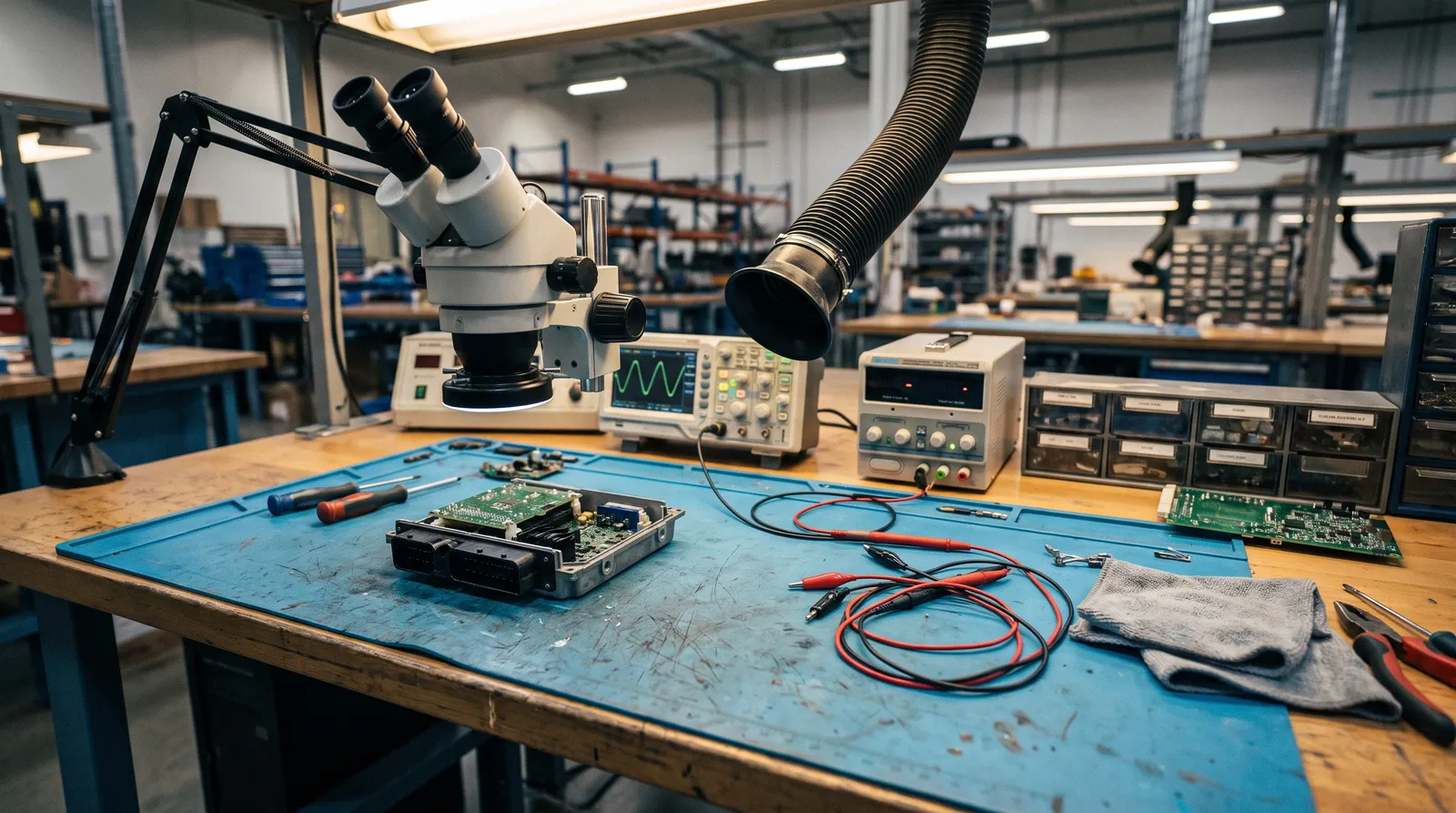
Summary Most people arrive here with a symptom rather than a part number — an ABS light that will not go out, a dashboard gone dark, steering that has turned heavy, a gearbox sitting in limp mode — and a quote for a complete new unit. This page works backwards from what the car is doing to the box that has actually failed, and points you at the repair service for it.
Everything named below is repaired on the bench and posted back to you: your own unit, diagnosed, repaired at circuit level, tested under simulated heat, vibration and load, and returned with the weak point that caused the failure reinforced rather than left in place.
Tell us the symptom and we will tell you which box has failed — then repair that box and post it back, rather than sell you a new one.Start with the symptom, not the part number
A warning light names a system, not a component. “ABS” on the dash means the anti-lock system has faulted somewhere between a wheel-speed sensor, the wiring to it and the control module — and which of those three it is decides whether you need a sensor, an hour of a garage’s time, or a module on our bench.
The table below runs in the opposite direction to a parts catalogue: from what your car is actually doing, to the unit that usually causes it, to the repair service for that unit. Use it to narrow things down, then confirm with a fault-code read before you remove anything. The codes stored in the car are the evidence, and any garage can pull them in minutes.
Two things are worth knowing before you read it. A single failed module can light several warnings at once, because modules share data across the vehicle’s bus and everything that relied on the silent one logs a fault of its own — so a dashboard full of lights is more often one failure than five. And a tired battery produces much the same picture: voltage dropping while the engine cranks is enough to set faults across several modules, which is why the battery and charging system are worth eliminating before anything is unbolted.
- Read the codes. They are the evidence, and any garage can pull them in minutes. A warning light names a system, not a component.
- Eliminate the battery and charging system. Voltage dropping while the engine cranks sets faults across several modules and mimics the same picture.
- Expect one failure, not five. Modules share data across the vehicle bus, so everything that relied on the silent one logs a fault of its own.
- Straddling two rows? Ask first. We would far rather tell you which unit to take off than have the wrong one arrive — send the codes.
| What the car is doing | Where the fault usually sits | Repair service |
|---|---|---|
| ABS and ESP or traction lights on together; the pump runs constantly or never; stability control disabled | The ABS pump motor, or the ABS/ESP control module bolted to it — Bosch 5.7 and 8.0, ATE/Teves Mk60 and Mk70 | ABS pump and module repairs |
| Dashboard dead, dim or flickering; missing display segments; needles stuck or reading nonsense; warning lights that never clear | Instrument cluster | Instrument cluster repairs |
| Steering heavy at parking speeds, or assist that drops out and returns, usually with a steering warning light | Electric power steering column, rack or control unit | Electric power steering repairs |
| Engine cranks but will not fire; key not recognised, or stuck in the barrel; steering lock fault reported | Immobiliser, EIS/EZS or CAS module, ignition switch or electronic steering lock | Immobiliser and ignition repairs |
| Gearbox drops into limp mode, refuses gears, shifts harshly, or flashes the gear indicator | Transmission control unit, or the mechatronic unit inside the gearbox | Transmission control repairs |
| Automated-manual clutch judders on pull-away, will not select a gear, or fails to disengage | Clutch or gear actuator | Clutch and gear actuator repairs |
| Air conditioning blows warm and the compressor never engages; climate panel dark or unresponsive | Air-conditioning compressor or the climate control unit | Air conditioning repairs |
| Idle hunting, stalling at junctions, or reduced power with a throttle fault stored | Throttle body — position sensor or motor | Throttle body repairs |
| Central locking, windows, wipers, indicators or interior lights behaving erratically; unexplained battery drain | Body control module | Body control module repairs |
| Navigation or infotainment screen dead, rebooting itself, no sound, or a disc that will not load or eject | Head unit or multi-function display | Sat-nav and MFD repairs |
| One xenon side out with a known-good bulb; headlight flickering or cutting in and out; adaptive-light fault message | Xenon ballast, AFS control module or LED driver stage | BMW and VW headlight modules |
| Diesel with the DPF light on, regenerations that start and never finish, and limp mode | A loaded diesel particulate filter, usually with short-journey use behind it | How a DPF works |
If the row you land on is not obviously yours, or your symptoms straddle two of them, send the codes and a description rather than guessing. We would far rather tell you which unit to take off than have the wrong one arrive.
Sinspeed · mail-in repair
Know which unit it is? Post it to usComplete the repair form with your vehicle details, the stored fault codes and what the car is doing, then send the unit in. It is diagnosed on the bench, repaired at circuit level and tested before it goes back to you.
Mail-in, UK-wide · Your own unit repaired and returned · Lifetime, unlimited-mileage warranty on all remanufactured parts
Braking, stability and steering
These two lines carry consequences beyond an inconvenient light, and they are held to that standard on the bench.
ABS pumps and ABS/ESP modules
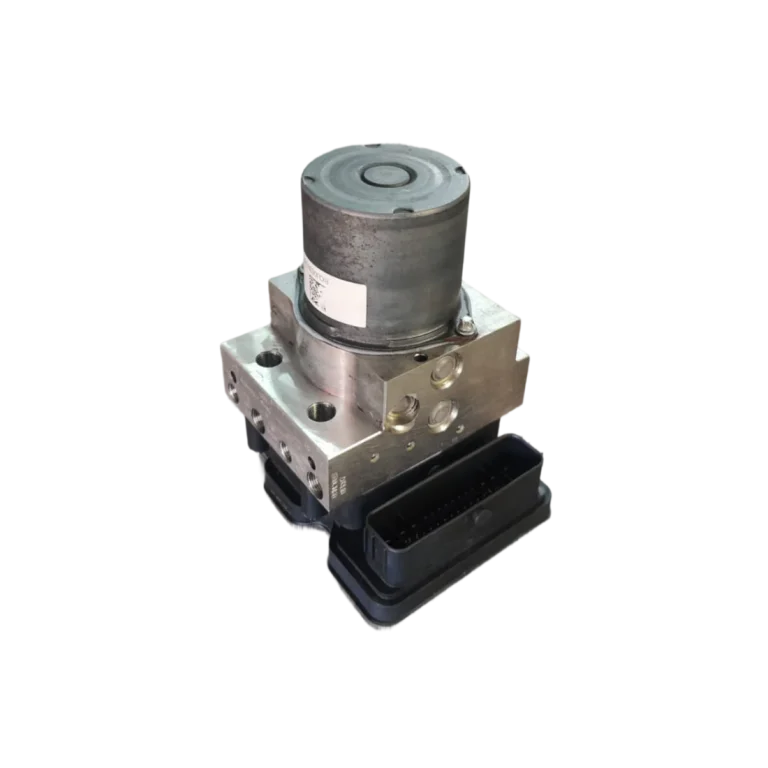
An ABS unit is two things bolted together: a hydraulic block full of solenoid valves, and a control module that switches them. Most failures are electronic — a solenoid or pump-motor driver stage inside the module breaks down under repeated heat cycling and vibration. The car still stops on its brakes; what you lose is anti-lock, stability and traction control, and an illuminated ABS lamp is an MOT failure in its own right.
We work on the common Bosch 5.7 and 8.0 units and the ATE/Teves Mk60 and Mk70, repairing the module at component level with the hydraulic side inspected rather than ignored — there are hydraulic as well as electronic engineers in house for exactly that reason. ABS pump and module repairs.
Electric power steering
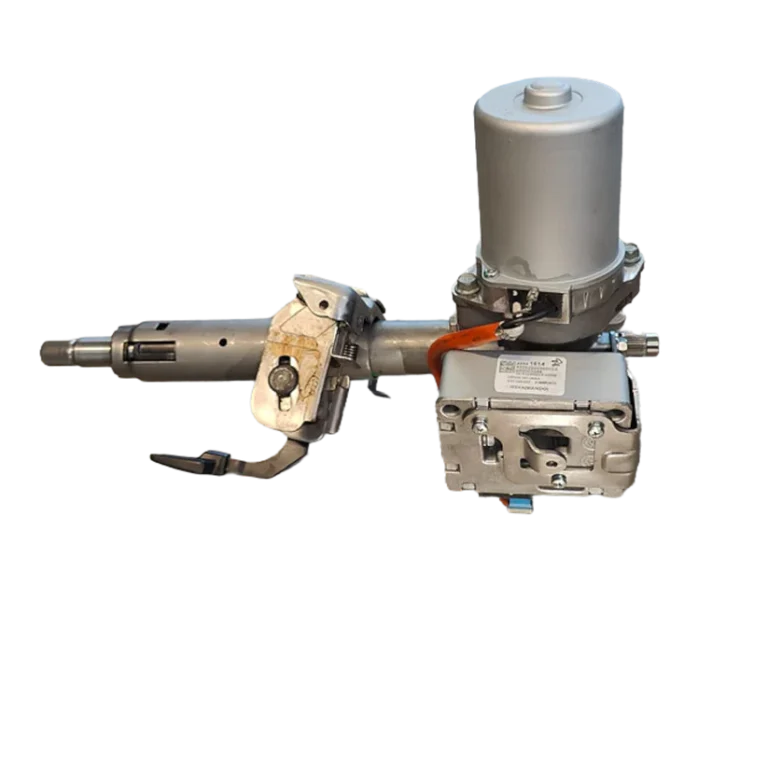
Electric power steering puts a motor, a torque sensor and a control unit on the column or the rack. When the control unit fails, the assist goes with it: the steering turns heavy at parking speed, or assist drops out for a few seconds at a time and returns, usually alongside a steering warning light or a dash message. Steering that comes and goes is not a fault to drive around with.
Columns, racks and standalone EPS control units are all repaired here.
The torque sensor is the part that most often decides the outcome. It sits between your hands and the motor and tells the control unit how hard you are pulling, so when its signal drifts the assist goes wrong rather than simply absent — heavy one way and light the other, or self-centring that no longer feels even. Electric power steering repairs.
Dashboards, security and starting
Instrument clusters and dashboards
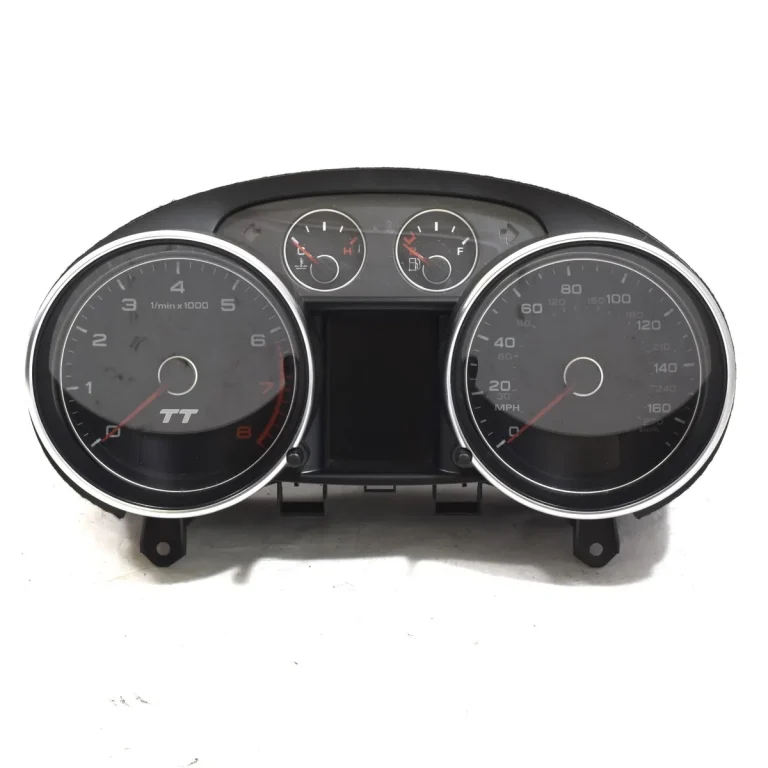
A cluster is a display, a set of stepper-driven gauges and a small computer that on many vehicles also holds part of the security data. Failure shows up as a dark or dim screen, missing display segments, needles stuck or sweeping to nonsense readings, backlighting that comes and goes, or warning lights that will not clear because the cluster has stopped talking to the rest of the car. On some models a failed cluster is the reason the engine will not start at all.
We repair the original cluster — display, gauges and board — so the mileage and vehicle data stay exactly where they are.
That matters more than it sounds on models where the cluster holds part of the security data: fitting a second-hand unit is what turns a display fault into an immobiliser fault. Instrument cluster repairs.
Immobilisers, EIS-ESL and ignition modules
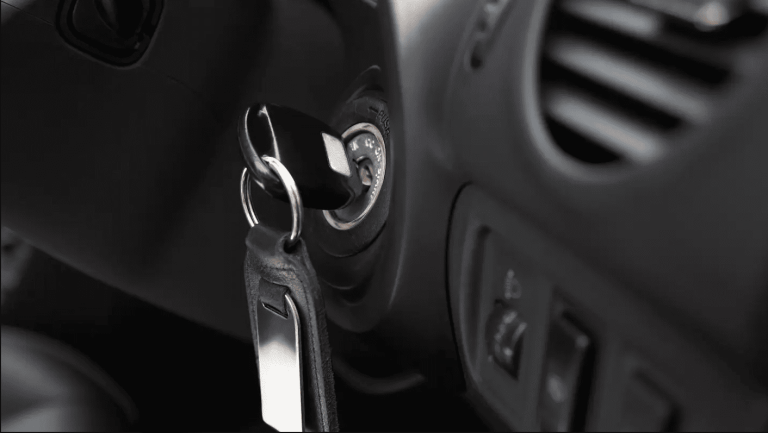
If the engine cranks but never fires, the key is not recognised, the key will not turn or come back out of the barrel, or the car reports a steering lock fault, the problem usually sits in the security chain rather than the engine. Mercedes EIS/EZS units, BMW CAS modules, ignition switches and electronic steering locks each fail in recognised ways, and any of them can leave a mechanically healthy car immobile on the drive.
These are repaired with the vehicle’s own key and security data intact wherever the system allows it. Immobiliser and ignition repairs.
Gearboxes, clutches and engine management
Transmission control and mechatronic units
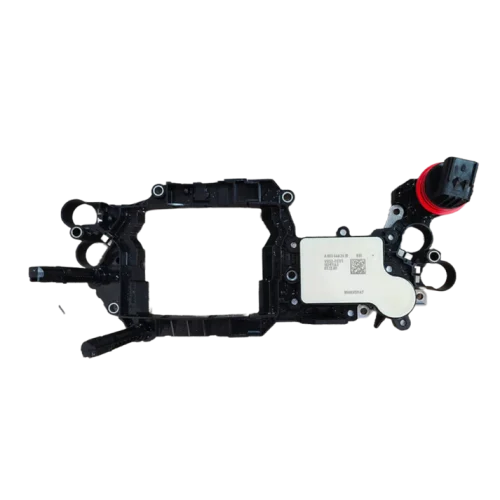
Automatic and automated gearboxes are run by a control unit — sometimes a separate TCU under the bonnet, often a mechatronic unit sitting inside the gearbox in oil. Electronic failure looks like limp mode, a flashing gear indicator, harsh or refused shifts, or no drive at all, and it is routinely mistaken for a worn-out gearbox. We repair the control electronics: solenoid driver stages, pressure and speed sensors and internal wiring.
A mechatronic unit lives in gearbox oil at gearbox temperature, which is why the electronics inside one routinely give out long before the mechanical parts of the box are worn. Transmission control and mechatronic repairs.
Clutch and gear actuators
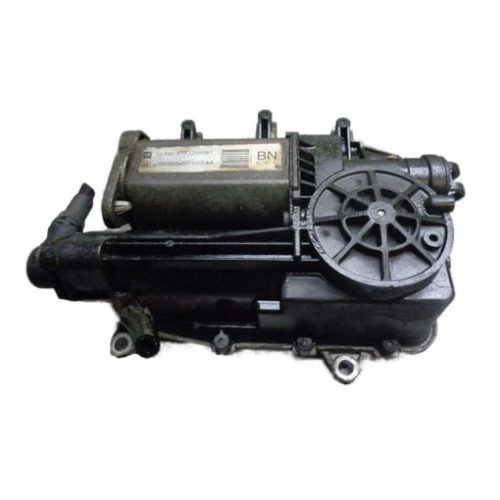
Automated-manual systems use an actuator to work the clutch and select gears on your behalf. When it fails, the car judders on pull-away, refuses a gear, flashes the gear display, or will not disengage the clutch at all — symptoms that get blamed on the clutch itself far more often than they deserve.
The actuator wears in ways the gearbox does not. It is a motor, a gear train and a set of position sensors taking the load of every gear change, and as the sensor drifts the unit stops knowing where the clutch actually is — which is why a car can be given a new clutch and behave exactly as it did before. Alfa Romeo Selespeed, Fiat and Alfa Dualogic and Vauxhall Easytronic units all arrive here with that same history behind them. Clutch and gear actuator repairs.
Throttle bodies
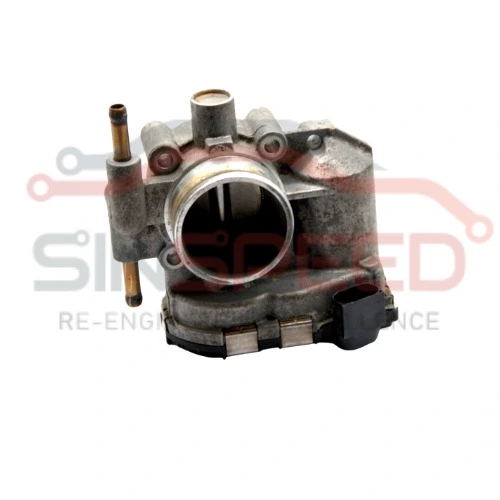
An electronic throttle body is a motor, a butterfly and a position sensor that the engine management trusts absolutely. As the sensor track wears or the motor drifts out of specification, the idle hunts, the engine cuts out at junctions, or the car drops into reduced power with a throttle fault stored.
A stored throttle fault is not always the throttle. The engine management watches two independent tracks inside the position sensor and logs a fault the moment they disagree, so a poor earth or a chafed wire in the loom to the unit reads the same as a worn sensor. Eliminate the wiring on the car first. If the unit itself is at fault, the motor and the sensor track are both repairable rather than a reason to buy a new body. Throttle body repairs.
ECU remapping
Remapping is the one line on this page that is not a repair. It changes the calibration held in a healthy engine ECU — for drivability, torque delivery or economy — and it is carried out on the vehicle rather than by post, so it does not follow the mail-in route the rest of this page describes.
What it is not is a fix for a fault. A car down on power because a sensor, a turbo actuator or a blocked DPF is misbehaving will still be down on power afterwards, with the original problem now sitting underneath a different calibration and harder to see. Deal with the fault first, then map a healthy engine. ECU remapping and tuning.
Comfort, body electronics, infotainment and lighting
Air conditioning and climate control
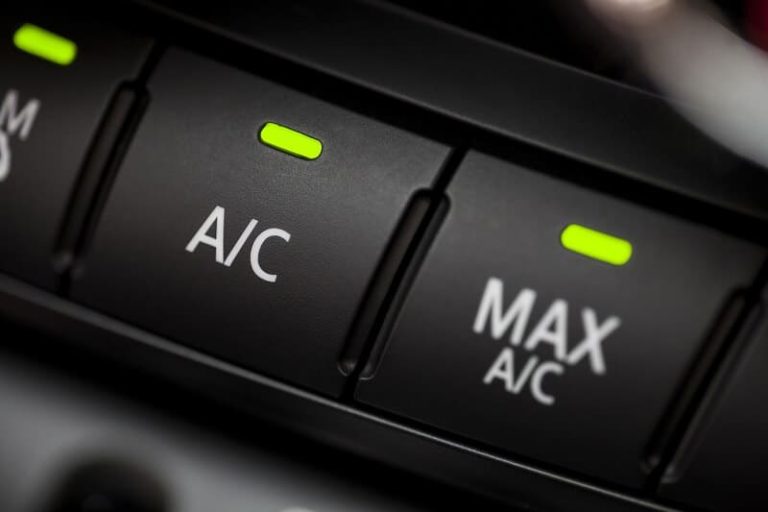
Air conditioning that blows warm is not automatically a regas. If the compressor never engages, or the climate panel has gone dark, lost segments or stopped responding to its own buttons, the fault is electrical rather than a shortage of refrigerant. We work on compressors and on the control units that drive them.
The clutch coil that pulls the compressor in, the electrically controlled valve that sets displacement on a variable unit, and the panel that commands both are all electrical parts with electrical failures. Where a compressor has failed mechanically instead — a broken shaft, debris carried through the internals — repairing it is not the answer, and we supply the later superseded genuine unit as a direct fitment. Air conditioning repairs.
Body control modules
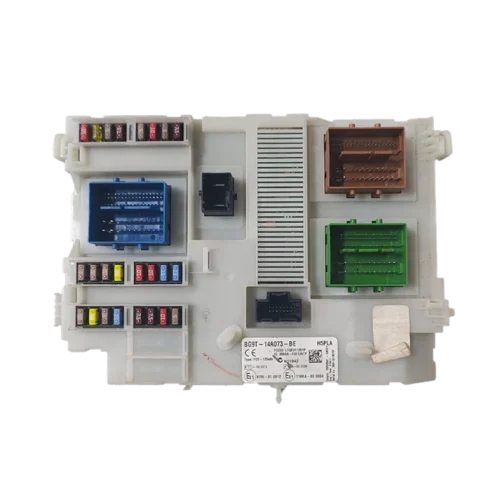
The body control module runs the unglamorous half of the car: central locking, windows, wipers, indicators, interior lighting and the alarm. When it fails the symptoms scatter and look unrelated — locking that works only sometimes, a wiper that parks where it likes, lights that stay on, a battery flat by morning. Water finding a route to the module is a common cause.
Because the module sits low in the car on many models, water is usually how it gets there: a blocked scuttle drain, a tired screen seal or a split door membrane puts moisture onto a board that then corrodes quietly for months before anything shows. Repairing the board without finding the leak buys time rather than a fix, so it is worth tracing where the water came from while the module is off the car. Body control module repairs.
Sat-nav, infotainment and multi-function displays
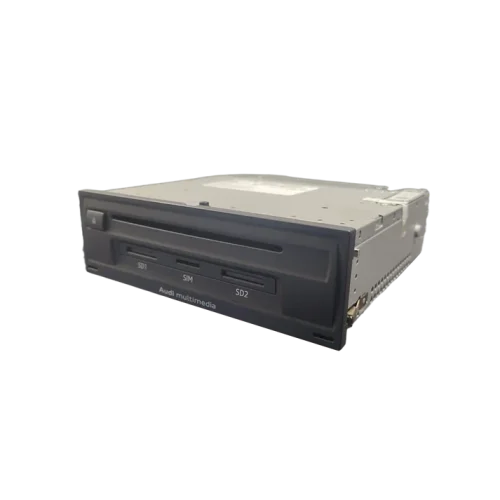
Head units fail mechanically as well as electronically: a screen that stays black, a unit that reboots itself, sound that has disappeared, or a disc that will neither load nor eject. Navigation units and multi-function displays are repaired at board level, including the RNS510, RNS810 and MFD family.
It is worth separating the mechanical half from the electronic half before anything comes off the dash. A disc that will neither load nor eject, or sound that has gone on one channel, is a mechanism or an amplifier stage rather than a dead head unit. A screen that stays black while the buttons still do something points at the display and its backlight. Sat-nav, infotainment and MFD repairs.
Headlight control modules
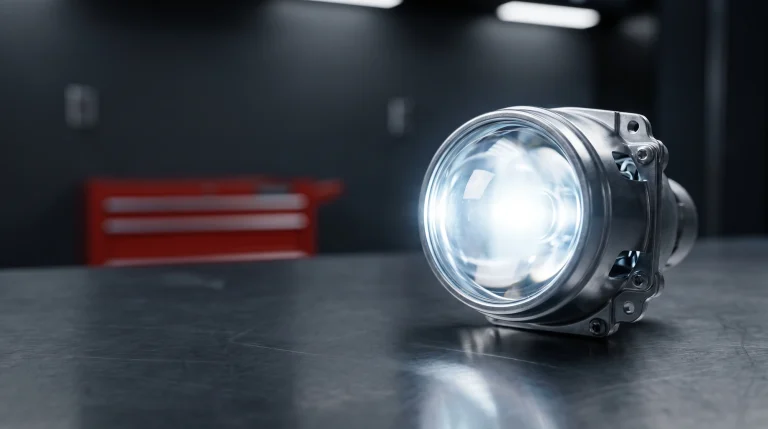
A xenon light that strikes and dies, flickers, or is simply out on one side with a known-good bulb points at the ballast or the control module rather than the lamp. Adaptive systems add a control unit of their own and LED headlamps a driver stage; both fail with a dash message and a dark side of the car.
Change the bulb first, because a xenon at the end of its life produces most of these symptoms and it is by far the cheapest test. If a known-good bulb behaves the same way, the ignitor or the ballast is next; on adaptive systems the levelling and cornering control unit can put a side of the car in the dark on its own while bulb and ballast are both healthy. BMW xenon headlight modules and VW xenon headlight modules.
Airbag control modules
An airbag or SRS warning light that stays on, or a stored crash code that will not clear, sits in the airbag control module. We list these units by model:
- Alfa Romeo MiTo (2008–2016) airbag ECU
- Vauxhall Movano (2010–2021) airbag ECU
- Vauxhall Movano (2021–2025) airbag ECU
Diesel particulate filters
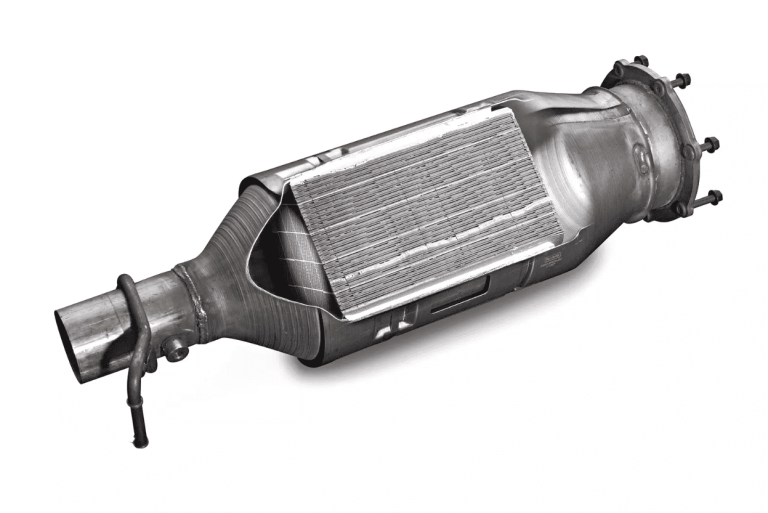
A DPF light, regenerations that begin and never complete, and limp mode on a diesel used mainly for short journeys are the classic pattern: the filter is loaded and the vehicle rarely sees the conditions it needs to burn the soot off. Cleaning the filter is the road-legal answer for a car that is staying on the road, and there is background on how the system works and why it blocks in our DPF explainer.
Two things separate a filter that will clean up from one that will not. A DPF that still completes a forced regeneration on a diagnostic machine is loaded rather than damaged. One that has been run hot enough to crack or melt its substrate, or that has been filling with oil or coolant because of a fault further up the engine, will block again within weeks whatever is done to it — and the fault upstream is the thing to find first. Establishing which of the two you have comes before choosing what to do about it.
DPF removal is illegal to use on a public road in the UK under the Road Vehicles (Construction and Use) Regulations, and has been an automatic MOT failure since February 2014, with fines of up to £1,000 for a car and £2,500 for a light goods vehicle. Removal work is carried out for off-road and motorsport vehicles only. For a road-going vehicle, cleaning the filter is the road-legal route.
That side of the work sits under DPF removals.
What we do not repair, and where to go instead
Being clear about the edges saves you posting a unit to the wrong workshop.
Repairing a failed engine ECU is not our trade. Remapping a healthy one is a Sinspeed service, but the repair of a dead engine ECU belongs elsewhere, and ecu-repairs.com is the independent specialist for it.
Turbochargers are a different case. They are handled by our turbo specialists at turbo-repairs.com — our sister site for everything turbo, with its own number and its own booking route. So a turbo enquiry is not being sent away: it goes to the people here who do that work, on the site built around it.
Within a unit, we repair the electronics and, where it forms part of the same assembly, the hydraulics — an ABS unit is a brake component as much as a circuit board. What sits outside a bench repair is genuine mechanical wear — clutch packs worn out inside a gearbox, or bearings and shafts that have already destroyed themselves. Where that is what your unit turns out to show, we tell you plainly instead of returning a good board in a housing that is finished. It does not always end there: on an air-conditioning compressor with a broken shaft, the common case, we supply the later superseded genuine unit as a direct fitment rather than leave you to find one.
We also do not diagnose the car itself. The vehicle stays with you or your garage; only the unit travels. Sensors, wiring, connectors and earth points are all things to eliminate on the vehicle before a module comes off it, and if your symptoms point that way we will tell you.
Coverage is not a fixed list either. Ongoing research and development keeps extending it to newer models and electronic systems as they reach the age at which they begin to fail, so a unit that is not named on this page is still worth asking about.
- Engine ECU repair
- Not our trade. ecu-repairs.com is the independent specialist. Remapping a healthy engine ECU is a Sinspeed service.
- Turbochargers
- Handled by our turbo specialists at turbo-repairs.com — our sister site for everything turbo, with its own number and its own booking route.
- Mechanical wear
- Clutch packs worn out inside a gearbox are not a bench repair. Where a part cannot be repaired we tell you plainly — and on an air-conditioning compressor with a broken shaft we supply the superseded genuine unit instead.
- Diagnosing the car
- The vehicle stays with you or your garage. Sensors, wiring, connectors and earth points are eliminated on the car before a module comes off it.
- Not named on this page?
- Coverage keeps extending as newer systems reach the age they fail at — still worth asking.
Frequently asked questions
How do I know it is the ABS module and not a wheel-speed sensor?
The stored codes usually separate them. A failed wheel-speed sensor names a corner of the car, and the fault often behaves with speed — appearing above a certain pace, or only once the car has been moving for a while. A module fault tends to be present from key-on regardless of what the car is doing, logs an internal or self-test failure, and often arrives with the pump running constantly or not at all. Sensors are quick to eliminate, so eliminate them first.
Do you repair the mechanical side of a unit, or only the electronics?
Both, where the mechanical part belongs to the same assembly — an ABS unit is inspected as a hydraulic component as well as a circuit board. What falls outside a bench repair is genuine mechanical wear: clutch packs worn out inside a gearbox, or bearings and shafts that have already destroyed themselves. Where that is what your unit shows you are told plainly, rather than being sent back a good board in a housing that is finished. It does not always end there — on an air-conditioning compressor with a broken shaft we supply the later superseded genuine unit as a direct fitment.
Can you work on a module somebody else has already opened?
Usually, but say so when you send it. A previous attempt changes how the unit has to be handled, and it can leave problems of its own sitting on top of the original fault — so knowing in advance means the engineer checks that work first instead of chasing a fault it created. Nothing about it stops the repair; not mentioning it only costs time.
The dealer says a new module has to be programmed to the car. Does that rule out a repair?
It is an argument for repair rather than against it. Programming is needed because a new module arrives blank and knows nothing about your vehicle. Repairing your own unit leaves its existing data where it is, which is why many go straight back on and simply work. Where a system genuinely does need programming or calibration, that is done here with dealer-level diagnostic tools before the unit is packed.
My unit is not listed on this page. Can you still look at it?
Very often, yes. This page names the busiest lines rather than everything that passes across the benches, and new models and systems are added as they start to fail in the field. Send the part number if you have it, along with your vehicle details and the symptoms, and you will get a straight answer either way.
Does my car have to be off the road while the unit is with you?
The vehicle itself stays where it is — on your drive, or with your garage — but it will be off the road for as long as the unit is out of it, so plan the removal and the refit together. You are given a real date once the unit has arrived and the fault has been confirmed, rather than a headline figure quoted before anyone has seen it.
Sinspeed · mail-in repair
Still not sure which box has failed?Send us the stored fault codes and a line on what the car is doing, and we will tell you which unit to take off before you touch a spanner. If you already know, the repair form is the quickest way in.
Cleanroom-standard, ESD-safe workshop · Tested under simulated heat, vibration and load · Repaired and returned, never exchanged