
 In short
A car that smokes after a DPF removal almost always points to a botched automated or “mobile” delete that left the interlinked ECU data half-edited — which is exactly what our manual ECU work and dedicated smoke-correction session put right.
Why does a car smoke after DPF removal?
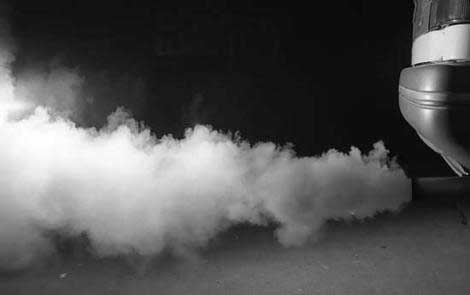
A diesel that smokes after a DPF removal is almost always telling you the same thing: the removal was finished badly. In most of the cases we see, the filter has been taken off and the engine ECU has then been edited with a generic, automated piece of software that could not fully unpick the DPF data. The car is now running on settings that no longer match what is physically on it — and it shows that as smoke.
The reason it comes out as smoke is that the DPF data is woven into how the engine meters fuel and reads its own exhaust. When part of that data is deleted clumsily, or left half-done, the fuelling falls out of step. The engine puts in more fuel than it can cleanly burn, and the surplus leaves the exhaust as the black or grey haze owners notice on start-up and under load. The same underlying error is usually what brings the warning lights and limp mode along with it.
So the smoke is not really a filter problem at all — it is a fuelling and coding problem left behind by a removal that stopped halfway. It is not cured by a stronger filter or a bottle of something poured into the tank. It is cured by going back into the ECU, editing the DPF data correctly and completely, and then bringing the fuelling back into line with a smoke-correction session. The rest of this page explains how a removal should be done so that it never smokes in the first place. If you want the background on what the filter actually does, our guide to what a DPF is and how it works covers it.
The problems a botched DPF removal leaves behind
A DPF removal is meant to draw a line under the soot-trap troubles — the regenerations that never finish, the warning lights, the repeated trips to have the filter forced clear or replaced. Done properly, on a vehicle it is appropriate for, it does exactly that. The horror stories we are sent come from removals carried out by other outfits, very often “mobile” operators working off a laptop on a driveway, where the job was never actually completed inside the ECU.
The symptoms that follow are remarkably consistent from car to car:
- The DPF warning light returning, sometimes within days
- The car dropping into limp mode (limp-home mode) and losing power
- An ignition-coil warning light flashing
- The traction-control warning light coming on
- Excessive smoke from the exhaust
- Turbo or engine trouble developing later
- An MOT failure
These are not seven separate faults that happen to strike at once. They are what one underlying mistake looks like from different angles: an ECU left expecting a filter that is no longer fitted, or part-told the filter has gone and part-not. Some of these problems show up the moment the engine is restarted; others stay quiet for a while and surface weeks later. Either way, the cause sits in the data, which is where it has to be put right.
Why automated and mobile DPF removals go wrong
We are against mobile DPF removals, and the reason is the method they depend on. The only way to carry out a removal at the roadside is with automated software that reads through the engine ECU’s data and tries to strip out everything connected to the DPF within a set of pre-set parameters. It is quick and it is generic — and that is precisely the problem.
The DPF data is not a single, tidy block that can simply be lifted out. It is interlinked and deep-coded with other engine maps — fuel-rail pressure, exhaust-gas temperature, air/fuel ratio and several more besides. Editing those structures without understanding how they connect interferes with the sensors that rely on them, which corrupts data and throws errors almost as soon as the engine is started.
That leaves the automated software caught between two bad outcomes. Reach too far into the file and it disturbs the interlinked maps, so the faults appear immediately. Play it safe and it leaves part of the DPF data in place — and a half-removed filter strategy still drops the car into limp mode, still brings the DPF light back on, and still produces excessive smoke, which is what eventually leads to the MOT failure. Whichever way the software errs, the job is left unfinished, and the driver is the one who lives with it.
Sinspeed · DPF diagnosis and repair
Get the DPF fault diagnosed properly before anything is removedMost DPF complaints are a sensor, a pressure pipe or a failed regeneration rather than a filter at the end of its life. Tell us the codes and the symptoms and our engineers will tell you what they expect to find.
The fault confirmed before removal is ever discussed · Dealer-level diagnostic tools · Work carried out by our in-house engineers
The Sinspeed approach: manual ECU work, no automated software
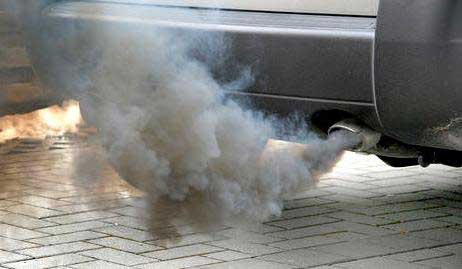
We do not touch automated DPF software. Every removal we carry out is done by reading the data out of the ECU and working through it by hand, which is the only way to deal properly with how interlinked the DPF code really is.
After downloading the data from your ECU, we manually scan through the thousands of data strings to locate every DPF-related structure, then edit each one deliberately so the ECU is told — correctly and completely — that there is no longer a filter on the vehicle for it to manage. Because each string is found and changed on its own terms, rather than swept up by a blanket script, the interlinked maps for fuel-rail pressure, exhaust-gas temperature and air/fuel ratio are kept consistent instead of corrupted. Nothing is left half-told and nothing important is disturbed by accident.
The result is an ECU that genuinely runs as it should without the filter, rather than one papered over by software that left half the work undone. It is the kind of bench-level control-unit work our in-house engineers do day to day — reading, reverse-engineering and rewriting ECU data — rather than a plug-in tool run blind at the roadside. That difference is the whole reason a Sinspeed removal does not come back with the same symptoms a fortnight later.
The smoke-correction session
Editing the DPF data out cleanly is only half the job. The other half is making sure the engine still runs cleanly once the filter’s influence on the fuelling is gone — and that is what the smoke-correction session is for. Every DPF removal we carry out includes one as standard.
Once the DPF data has been removed, we fine-tune the fuel system so the engine meters fuel correctly for running without a filter. The aim is straightforward: the engine should burn its fuel cleanly, produce no smoke, and leave no related errors logged behind it. It is a calibration step made in the fuelling itself, not an additive poured into the tank — the correction is in how the engine runs, not in what it is run on. This is the exact step the botched removals skip, and skipping it is why their cars smoke.
As far as we are aware, we are one of the only UK workshops that builds a dedicated smoke-correction session into every DPF removal as standard, rather than treating it as an optional extra or leaving it out altogether. We would rather a car left running properly than have it come back smoking — clean running is part of doing the job once and doing it right.
Is DPF removal legal? Off-road and motorsport only
It is worth being straight about the law, because there is a great deal of vague and misleading information about DPF removal online. Removing the filter in a workshop is not, in itself, the offence. Using a vehicle on the road with the DPF removed is.
A road car with its filter taken out no longer meets the emissions standard it was built to, and that is what the rules restrict. It is also an automatic MOT failure. Since February 2014, the MOT has included a visual check for the DPF, and testers have to confirm the filter is present on any vehicle originally fitted with one — so a road car with the DPF removed will fail its MOT on inspection. Using such a vehicle on the road can also carry a fine.
For that reason we offer DPF removal strictly for vehicles used off-road, for motorsport, or otherwise never driven on public roads. If your car is used on the road, removal is simply not the route. The answer there is DPF cleaning and repair, which clears the filter you already have, deals with why it blocked, and keeps the car road-legal and through its MOT. We will say which one applies to your vehicle honestly, and we will not present a removal as something it is not.
How our DPF removal and smoke-correction service works
Whichever route is right for your vehicle, it starts with your ECU data rather than guesswork. For a removal, we read the data, carry out the manual removal string by string, and then run the smoke-correction session before the vehicle goes back — so it runs cleanly, with no smoke and no leftover errors logged in the ECU.
To get started, tell us about your vehicle and how it is used through our repair form, or contact us if you would rather talk it through first — that tells us whether removal or cleaning is the right answer for it. And if a previous delete has already left a vehicle smoking or throwing faults, send us the details of what was done and what it is doing now, and we will tell you what it takes to put right.
FAQs
Why does a car smoke after DPF removal?
Because the removal was almost certainly left unfinished in the ECU. Automated or “mobile” delete software cannot fully unpick the DPF data, since it is interlinked with the maps that control fuel-rail pressure, exhaust-gas temperature and air/fuel ratio. When that data is part-deleted or left half-done, the fuelling falls out of step, the engine burns more fuel than it can cleanly combust, and the surplus shows as smoke. The fix is to edit the DPF data correctly by hand and then run a smoke-correction session to bring the fuelling back into line.
Can smoke after a DPF delete be fixed?
Yes. The smoke is a fuelling-and-coding problem, not damage, so it is correctable. We do it through the smoke-correction session — fine-tuning the fuel system, once the DPF data has been removed properly, so the engine meters fuel correctly, burns cleanly and runs without smoke or logged errors. It is a calibration of how the engine runs, which is why it actually clears the smoke rather than masking it.
Is DPF removal legal in the UK?
Removing the filter is not in itself the offence — using a DPF-removed vehicle on the road is. A road car without its filter no longer meets the emissions standard it was built to, it is an automatic MOT failure (since February 2014 the MOT has included a visual check for the DPF), and using it on the road can carry a fine.
What is the difference between a manual and an automated DPF delete?
An automated delete uses generic software to strip out DPF data within pre-set parameters. Because that data is interlinked and deep-coded with other engine maps, the software either reaches too far and corrupts the sensors that depend on it, or plays safe and leaves part of the DPF strategy in place — and both leave faults and smoke behind. A manual delete means every DPF data string is located and edited by hand, so the ECU is told completely and correctly that there is no filter, while the interlinked fuel and exhaust maps are kept consistent. That is the difference between a car that runs cleanly afterwards and one that does not.
Sinspeed · DPF diagnosis and repair
Get the DPF fault identified before you commit to anythingSend us the codes and the symptoms and our engineers will tell you whether you are looking at a sensor, a failed regeneration or a filter genuinely at the end of its life.
The fault confirmed before removal is ever discussed · Dealer-level diagnostic tools · Work carried out by our in-house engineers