
When your ABS warning light comes on or your brakes start behaving unpredictably, it’s easy to assume the worst. But the anti-lock braking system (ABS) is more straightforward than most drivers think — and understanding how it works can save you time, money, and unnecessary repairs.
This comprehensive troubleshooting guide covers how ABS functions, the most common causes of failure, step-by-step fault diagnosis, and how to get your system repaired or rebuilt by professionals.
What the ABS System Does
The anti-lock braking system (ABS) prevents your wheels from locking during sudden or heavy braking. Instead of allowing the tyres to skid, ABS rapidly applies and releases brake pressure — sometimes up to 15 times per second — helping you maintain traction and steering control.
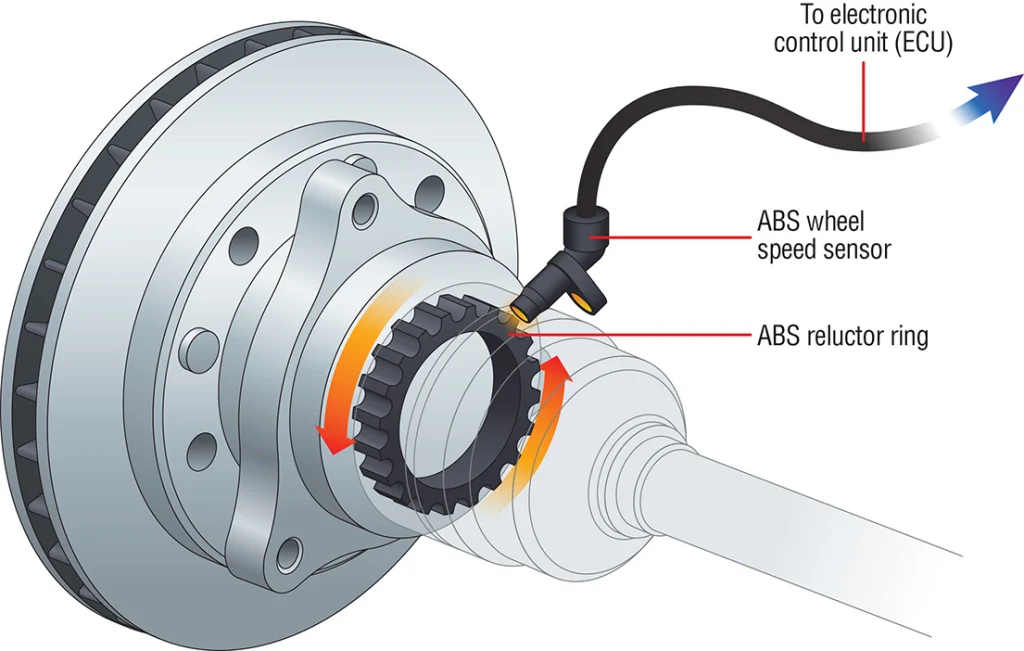
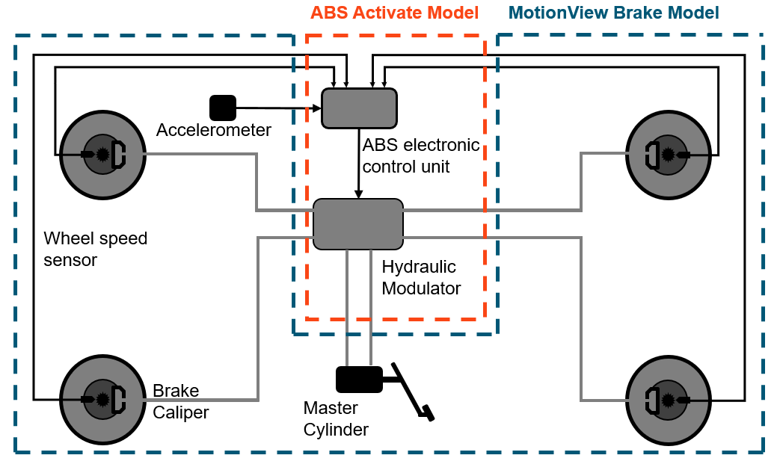
Modern ABS systems use four key components:
- Wheel speed sensors: Monitor the rotation speed of each wheel.
- Reluctor rings: Work with sensors to detect speed changes.
- ABS hydraulic pump/modulator: Adjusts brake pressure to prevent lock-up.
- Electronic Control Unit (ECU): Processes data from sensors and manages brake pressure through the hydraulic unit.
If any of these components fail, the system disables itself for safety and alerts you with the ABS warning light on your dashboard.
Common Signs of ABS Problems
A properly functioning ABS system should operate quietly and smoothly, activating only under emergency braking. If something’s wrong, you may notice one or more of the following:
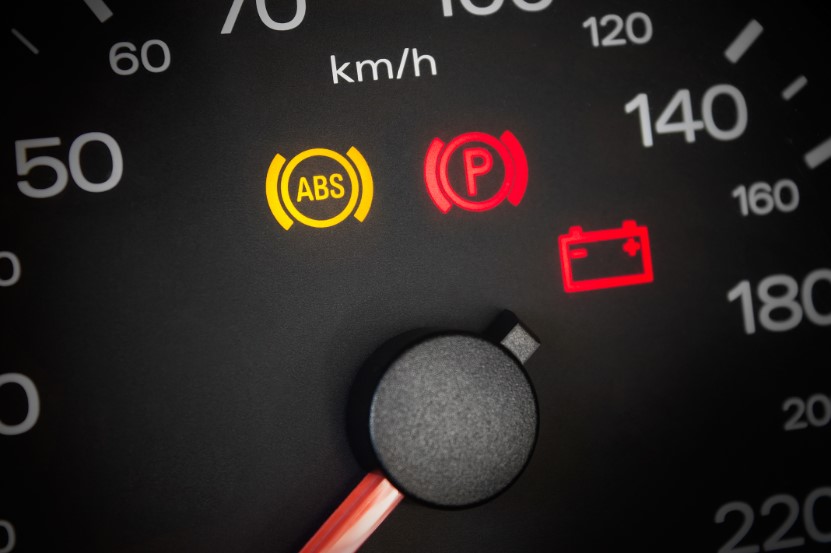
- ABS warning light stays on:
The most obvious sign of a fault. It indicates the system has detected a malfunction in the sensors, pump, or wiring. - Brakes lock during hard braking:
If the wheels skid or lock, the ABS isn’t regulating brake pressure correctly. - Pulsing brake pedal (outside emergency braking):
A vibrating or pulsing pedal during normal braking can signal contaminated sensors or false wheel-speed readings. - Reduced braking performance:
Longer stopping distances or reduced brake power, particularly in wet conditions, can point to a failing ABS pump. - Intermittent ABS light:
A light that flickers on and off could mean loose wiring, corroded connectors, or sensor interference from metal shavings.
Most Common Causes of ABS Failure
While ABS components are designed to last, they are vulnerable to wear, corrosion, and electrical issues. Here are the top reasons for failure:
- Faulty Wheel Speed Sensors
These small magnetic sensors sit behind each wheel hub, making them prone to damage from debris, rust, or road salt. A damaged or dirty sensor can send false data to the ECU, triggering the ABS light. - Damaged Reluctor Rings
The toothed rings used by the sensors can crack or corrode, especially on older vehicles. A missing or damaged tooth causes inaccurate readings. - ABS Pump or Hydraulic Modulator Faults
The pump maintains brake pressure during activation. Over time, moisture in brake fluid or internal corrosion can block valves or cause the pump motor to seize. - Low or Contaminated Brake Fluid
Brake fluid naturally absorbs moisture over time. If it becomes contaminated or too low, it can lead to pressure loss and ABS malfunction. - Wiring or Connector Damage
Wiring between the sensors, ECU, and hydraulic control unit can fray, corrode, or become disconnected, especially in high-mileage or off-road vehicles. - ABS Control Module Failure
The control module is essentially the system’s brain. Electrical faults, water ingress, or internal corrosion can cause communication errors or complete failure.
Step-by-Step ABS Troubleshooting Process
You don’t always need specialist tools to identify an ABS fault, but the right approach helps narrow down the issue quickly.
1. Check for Warning Lights
Start by turning on the ignition. The ABS light should briefly illuminate, then go off. If it stays on, there’s a stored fault code.
2. Perform a Visual Inspection
Inspect the wiring around each wheel hub. Look for frayed cables, corroded connectors, or damaged sensors. Clean off any dirt or metal shavings with a dry cloth.
3. Check Brake Fluid Level and Quality
Low or dirty brake fluid is one of the easiest issues to fix. Top up with the manufacturer-recommended DOT brake fluid and check for leaks in the system.
4. Use a Diagnostic Scanner
A scan tool or OBD reader can identify stored fault codes from the ABS ECU. Common codes include sensor circuit errors or pump motor faults.
5. Test Wheel Speed Sensors
Use a multimeter to check the resistance of each sensor. A reading outside the manufacturer’s range suggests a fault.
6. Inspect the ABS Pump and Modulator
If no sensor faults appear, the issue may lie with the pump motor or valves. A professional technician can perform a bench test to confirm operation.
Common ABS Repair Solutions
Once you’ve identified the cause, here’s how most issues are resolved:
| Fault Type | Repair Action | Estimated Cost (UK Average) |
| Dirty or faulty wheel sensor | Clean or replace sensor | £60 – £150 per wheel |
| Broken reluctor ring | Replace ring or drive shaft | £120 – £250 |
| Low or contaminated brake fluid | Flush and refill system | £60 – £90 |
| Wiring or connector corrosion | Repair or replace wiring | £80 – £180 |
| ABS pump failure | Replace or rebuild pump | £150 – £900 |
| ABS module fault | Repair or recondition unit | £150 – £350 |
At Sinspeed, we specialise in ABS pump and module rebuilds that restore full functionality for a fraction of the cost of a new unit. All rebuilt parts are fully tested and come with warranty coverage.
Preventing Future ABS Faults
Preventive maintenance can significantly extend your ABS system’s lifespan. Here’s what you can do:
- Replace brake fluid every 2 years to prevent corrosion inside the hydraulic unit.
- Avoid power washing directly onto wheel hubs or sensor areas.
- Inspect wiring and connectors during routine servicing.
- Keep an eye out for dashboard lights and address issues promptly.
- Use only OEM-quality parts for replacements and repairs.
When to Seek Professional Help
If the ABS light remains on after basic checks or you experience brake locking, pulsing, or longer stopping distances, don’t ignore it. Continuing to drive with a faulty ABS can compromise your safety and braking efficiency.
Our team at Sinspeed can diagnose and repair ABS systems from all major vehicle brands. Whether you’re a repairer working on behalf of a client or a car owner seeking direct repair, we offer a fast and reliable nationwide service.
Final Thoughts
The ABS system is one of the most critical safety components in modern vehicles. While it may seem complex, most ABS issues come down to simple causes — sensors, wiring, or contaminated fluid.
Addressing problems early not only saves money but ensures your car remains safe and MOT-ready. Whether your system needs diagnostics, repair, or a full rebuild, it’s always worth getting it fixed by specialists who understand the intricacies of ABS technology.