
If your car refuses to go into gear — whether manual or automatic — it’s a clear sign something is wrong with your transmission, clutch system, or internal linkage. Ignoring it can quickly lead to costly repairs and unsafe driving conditions. This guide explains the most common causes, symptoms, and fixes for cars that won’t engage gears, along with advice on when to repair or replace faulty components.
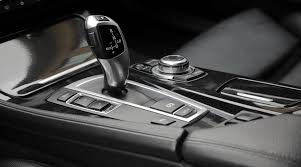
Common Causes When a Car Won’t Go Into Gear
There are several possible reasons your vehicle won’t shift into gear, depending on whether you drive a manual, automatic, or semi-automatic car. Below are the most common causes seen by professional repairers across the UK.
1. Low or Contaminated Transmission Fluid
Transmission fluid lubricates and cools the gearbox components. When levels are too low or the fluid is dirty, gear selection can become stiff or impossible.
Symptoms: Difficulty changing gears, slipping, grinding noises, or delayed engagement.
Fix: Check the transmission fluid level and condition. Top up or replace it with the correct specification if burnt or contaminated.
2. Faulty Clutch System (Manual & Semi-Auto Vehicles)
If pressing the clutch pedal doesn’t disengage the clutch fully, gears won’t slot in smoothly. This is often caused by:
- A worn clutch disc or pressure plate
- Hydraulic leaks in the clutch master or slave cylinder
- A faulty clutch actuator (in semi-automated systems)
Fix: Inspect the clutch hydraulics for leaks, test the master/slave cylinder, or have the actuator rebuilt.
3. Damaged Gear Linkage or Cables
In manual gearboxes, the gear selector cables or linkage connect your gear stick to the transmission. If these cables are stretched, broken, or misaligned, you may feel looseness in the shifter or total inability to select gears.
Fix: Replace or adjust the gear linkage. This is usually an inexpensive fix compared to internal gearbox issues.
4. Worn Synchros (Manual Transmission)
The synchroniser rings (synchros) help gears mesh smoothly during shifting. Worn synchros make it hard to engage specific gears — often 1st, 2nd, or reverse.
Symptoms: Grinding sound when shifting, especially at high RPMs.
Fix: Unfortunately, this requires gearbox disassembly and rebuild.
5. Faulty Clutch Actuator or Mechatronic Unit (Semi-Auto)
Vehicles with semi-automatic gearboxes (such as Fiat Dualogic, Ford Powershift, and Vauxhall Easytronic) often experience actuator faults. When the clutch actuator or mechatronic control unit fails, the transmission cannot engage or disengage gears electronically.
Symptoms: Gear indicator flashing, warning lights, or “N” (neutral) stuck on screen.
Fix: Professional testing and repair of the clutch actuator or mechatronic system.
6. Internal Transmission Faults
If the internal gears, bearings, or shafts within the gearbox are damaged or seized, the car may refuse to shift altogether.
Symptoms: Loud whining, metallic noise, or total gear lockout.
Fix: A full gearbox rebuild or replacement is required in such cases.
7. Faulty Clutch Pedal Switch or Sensor
Modern vehicles use sensors to detect clutch position. A faulty clutch switch can prevent the system from allowing gears to engage, particularly in electronic or semi-automatic setups.
Fix: Replace the faulty sensor — usually a quick and affordable repair.
8. Software or ECU Issue
In vehicles with automated or dual-clutch transmissions, the gearbox relies on electronic communication between the engine control unit (ECU) and transmission control module (TCM).
If a software glitch or communication error occurs, the system may fail to engage gears.
Fix: Diagnostic scan and ECU reset or reprogramming by a qualified technician.
Symptoms You Should Never Ignore
If your car won’t go into gear, these additional signs can help pinpoint the cause:
- Burning smell or slipping – Possible clutch failure.
- Grinding or crunching sound – Damaged synchronisers or linkage.
- Clutch pedal feels soft or spongy – Hydraulic leak or actuator problem.
- Gearbox stuck in neutral or limp mode – ECU or actuator fault.
Immediate inspection is crucial. Continuing to drive could worsen the issue and damage surrounding components.
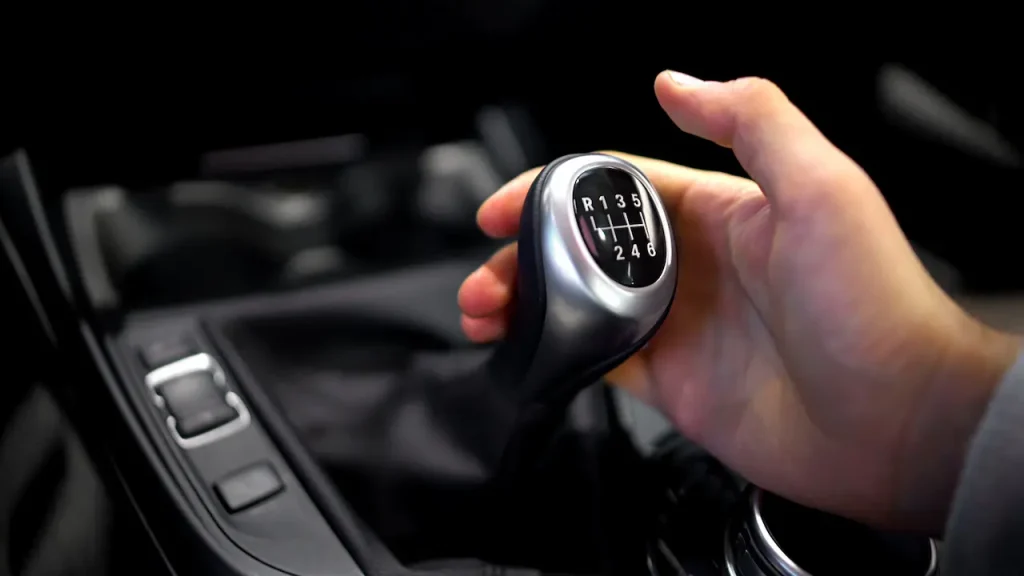
Quick DIY Checks Before Visiting a Garage
- Check the fluid level – Low gearbox or clutch fluid is a common cause.
- Restart the car – Occasionally, ECU errors can reset on ignition cycles.
- Pump the clutch pedal – If pressure builds after several pumps, suspect a hydraulic leak.
- Listen for sounds – Grinding, clicking, or buzzing noises can indicate whether the issue is mechanical or electrical.
If none of these solve the issue, professional diagnosis is essential.
Typical Repair Costs in the UK
| Problem | Average Repair Cost (incl. VAT) | Notes |
| Clutch Hydraulic Leak | £120 – £250 | Replace master/slave cylinder |
| Gear Linkage Replacement | £150 – £300 | Includes labour |
| Clutch Actuator Repair | £150 – £350 | Rebuilt with lifetime warranty |
| ECU / Software Reset | £60 – £120 | Diagnostic reprogramming |
| Full Gearbox Rebuild | £700 – £1,200+ | For severe internal faults |
Professional Repair vs DIY
While checking fluids or linkages is manageable at home, anything involving the clutch actuator, transmission internals, or ECU should be handled by qualified specialists. Attempting a DIY fix without the proper tools or calibration equipment can lead to more serious transmission damage.
At Sinspeed, we offer nationwide clutch actuator and transmission repair services with fast turnaround and lifetime warranties. Whether you’re a vehicle owner or a repairer sending parts on behalf of clients, we ensure every unit is fully tested and restored to OEM standards.
Summary
When your car won’t go into gear, the issue could range from simple fluid maintenance to a complex actuator or gearbox fault. Acting quickly prevents further damage and higher costs.
Start with basic checks, then have the vehicle professionally diagnosed. In most cases, repair — especially of clutch actuators or hydraulics — restores full function without the need for an expensive replacement.
Frequently Asked Questions
Why won’t my car go into gear?
A car that won’t go into gear usually points to a fault in the transmission, clutch system or gear linkage. The most common causes are:
- Low or contaminated transmission fluid.
- A faulty clutch system — a worn clutch, or a hydraulic leak in the master or slave cylinder.
- Damaged or misaligned gear linkage or selector cables.
- Worn synchros, on manual gearboxes.
- A faulty clutch actuator or mechatronic unit, on semi-automatic gearboxes.
- A software or ECU communication fault between the ECU and transmission control module.
Why won’t my car go into gear when the engine is running?
This is the classic sign of a clutch that isn’t fully disengaging. With the engine off you can often still select a gear, but once it’s running the gears won’t slot in if the clutch stays partly engaged. The usual culprits are a worn clutch, or a hydraulic leak in the clutch master or slave cylinder.
What are the symptoms when a car won’t go into gear?
Alongside the gears refusing to engage, these signs help pinpoint the cause:
- A burning smell or slipping — possible clutch failure.
- A grinding or crunching sound when shifting — worn synchronisers or gear linkage.
- A soft or spongy clutch pedal — a hydraulic leak or actuator problem.
- The gearbox stuck in neutral or limp mode — an ECU or actuator fault.
- Whining or metallic noise, or a total gear lockout — internal gearbox failure, in other words a “blown” gearbox.
Is it the clutch or the gearbox?
Clutch or actuator problems tend to show as slipping and a soft or spongy pedal — and, on semi-automatic gearboxes such as the Fiat Dualogic, Ford Powershift or Vauxhall Easytronic, a flashing gear indicator, warning lights, or “N” stuck on the display. Internal gearbox faults are more likely if you hear whining or metallic noise, grinding, or the car locks out of gear completely.
How do I fix a car that won’t go into gear?
Start with a few basic checks. Check the gearbox or clutch fluid level, restart the car to clear any transient ECU error, and pump the clutch pedal to feel whether pressure builds — a sign of a hydraulic leak. Listen for grinding or buzzing too. If none of these resolve it, the car needs professional diagnosis: anything involving the clutch, actuator or transmission internals is not a DIY repair.
Can a faulty clutch actuator be repaired?
Yes. In most cases a faulty clutch actuator can be professionally tested and repaired or rebuilt rather than replaced. At Sinspeed the unit is inspected, repaired and recalibrated on specialist equipment, restored to OEM standard and returned ready to fit — covered by a lifetime warranty, so you keep your original unit instead of fitting a new one.