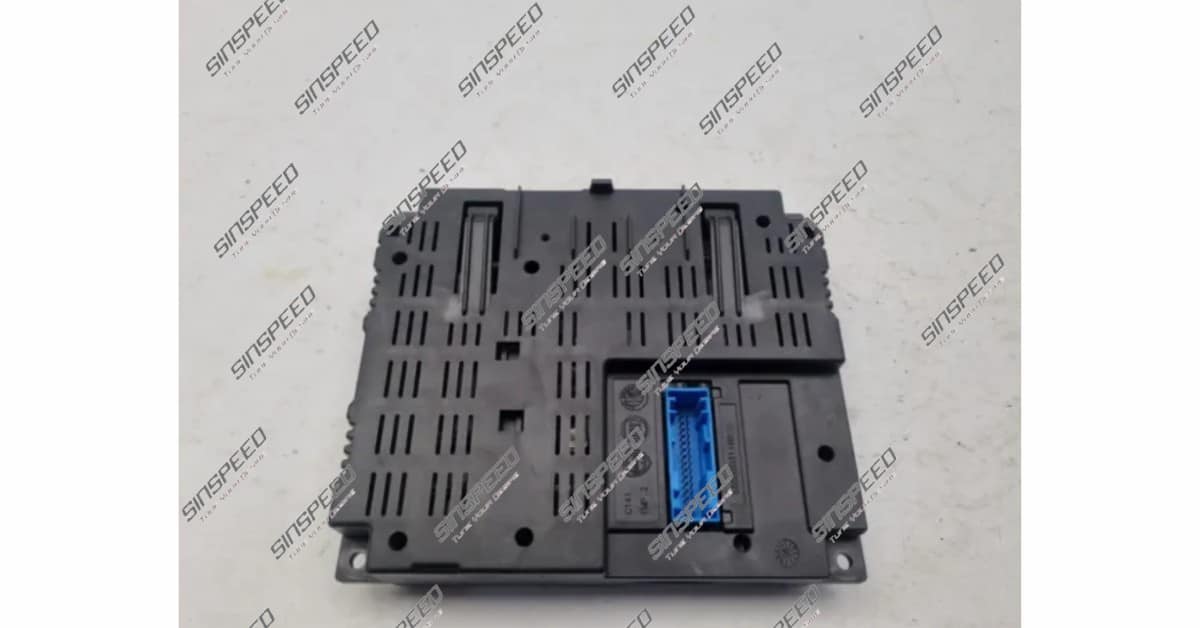
Restoring Connectivity: Fiat 500 Blue and Me Bluetooth Module Repairs by Sinspeed
In the modern age of automotive technology, connectivity is key. The blue and me fiat 500 bluetooth module is a pivotal component that enables drivers to seamlessly integrate their smartphones with their vehicles, facilitating hands-free calling, music streaming, and navigation. However, like any electronic device, the Bluetooth module is susceptible to wear and tear over time, leading to malfunctions and connectivity issues.
Enter Sinspeed, a leading automotive company specialising in the repair and restoration of electronic components. With the expertise and advanced diagnostic tools, Sinspeed offers a comprehensive solution for blue and me fiat 500 bluetooth module repairs, ensuring that you can enjoy the full functionality of the vehicle’s infotainment system.
How We Repair The Common Faults
The Bluetooth module repair process begins with a thorough assessment of the unit to identify the root cause of the issue. Common problems include firmware glitches, hardware failures, and compatibility issues with newer smartphone models. Sinspeed’s team of skilled technicians utilises state-of-the-art equipment to pinpoint the exact fault and develop a tailored repair plan.
One of the most prevalent issues encountered with Fiat 500 Blue and Me Bluetooth modules is related to software bugs and outdated firmware. Sinspeed addresses this by reprogramming the module with the latest software updates, eliminating compatibility issues and enhancing overall performance. Additionally, any damaged or faulty components within the module are meticulously replaced to ensure optimal functionality and longevity.
Compatibility with newer smartphone models is another area of concern for Fiat 500 owners experiencing Bluetooth connectivity issues. Sinspeed stays ahead of the curve by constantly researching and testing compatibility with the latest smartphone models and operating systems. This proactive approach allows them to provide reliable solutions that keep pace with evolving technology trends.
List of some other common issues
Bluetooth connection failure
Blue & Me system malfunction
Limited functionality to radio and CD only
Odometer blinking in the instrument cluster
USB port malfunction
fiat 500 mileage flashing indicator
Difficulty connecting phone to vehicle via Blue & Me
Intermittent power issues
Media player dysfunction
Bluetooth connectivity problems
Battery drainage problems
Display or touch screen unresponsiveness
Additionally
Inability to perform software updates
Configuration issues or inability to connect to diagnostic device
Sporadic malfunction of steering wheel remote control
Navigation system malfunction
Hands-free system malfunction
Error code U1733: Telematics Node Convergence L1 and L2
Error code P0022: Convergence Node Control Unit (inactive)
However, Sinspeed offers a comprehensive solution through meticulous testing and rebuilding process. Every blue and me fiat 500 module undergoes rigorous examination. If identified as faulty, Sinspeed rebuilds the unit with higher-than-standard components to prevent future failures.
Detailed Rebuilding Process
Here’s a detailed overview of how we ensure your module is restored to optimal performance:
Test and rebuild
All Fiat Blue and Me modules are scrupulously tested before and after the rebuilding process on our custom-made HIL (Hardware In-the-Loop) testing rigs, to ensure that every unit meets strict OE specifications. If the unit is identified as faulty, it is rebuilt with higher than standard components, to make certain the unit will not fail again.
Programming
No extra effort is required by you, as we retain all original programming during the test and rebuilding process, just simply plug and play once the unit is returned to you.
Quality
Our lifetime warranty is a testament to our confidence in the durability and longevity of our repairs. We don’t just fix the immediate issue; we future-proof your Blue and Me module to ensure that it remains a seamless and integral part of your driving experience for as long as you own your Fiat 500.
What are you waiting for?
Don’t hesitate! Reach out to Sinspeed today to experience unparalleled reliability and excellence in Fiat 500 Blue and Me Bluetooth module repairs. With our lifetime warranty and commitment to customer satisfaction, you can trust us to provide you with peace of mind and a seamless driving experience. Contact us now to learn more about our services and schedule your repair.
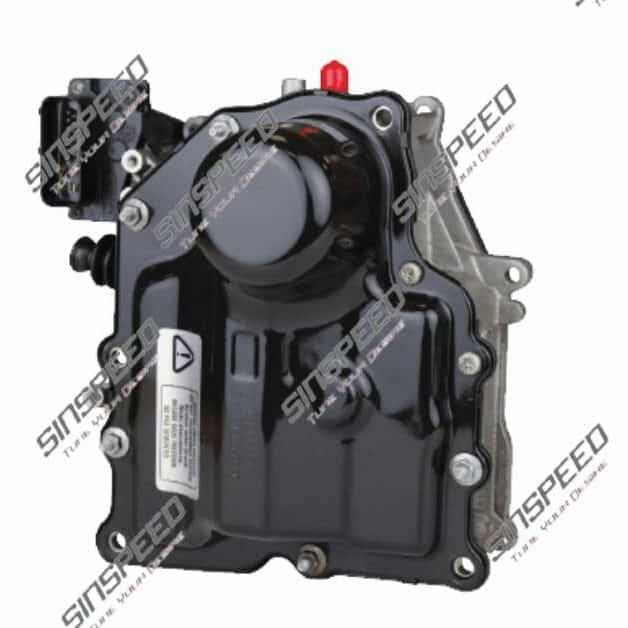
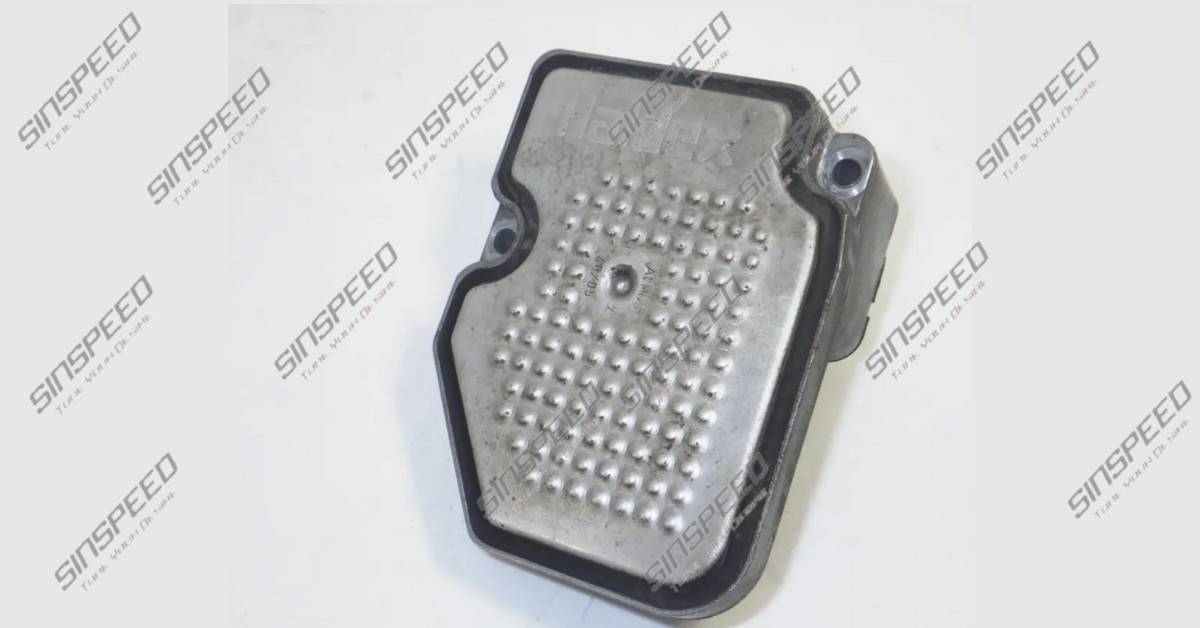
Sinspeed’s Solution: Restoring Your Audi A1 with DSG Gearbox ECU Repair
When your Audi A1 encounters gearbox troubles, Sinspeed steps in to provide the solution. Let’s delve into how our expertise can resolve issues with the DSG Gearbox ECU in your vehicle and the common problems that you may experience if your DSG gearbox is faulty.
Identifying the Problem
Your Audi A1 may exhibit symptoms such as an inability to shift gears, illuminated EPC lights, and flashing gear symbols. Despite attempts to replace fuses or diagnose issues, the root cause remains elusive. Here’s a simplified breakdown of these common faults and how Sinspeed addresses them:
High-Pressure Leak from Accumulating Canister
Thin walls in the valve body’s locating canister lead to high-pressure leaks.
Symptoms include rough gear changes, jerking motions, and dashboard fault warnings.
IC Motor & High-Pressure Pump
Pressure leaks strain the high-pressure pump, risking burnout.
Often misdiagnosed as primary issues, they are secondary problems.
Solenoid Valve Fault
Contamination in oil and internal electrical faults cause solenoid failures.
DSG7 Reverse Selector Fault
Difficulty engaging reverse or selecting 6th gear is a common issue.
Misaligned reverse selectors trigger error codes, leading to misdiagnosis.
DSG Clutches
Wear and tear in DSG clutches result in juddering, slipping, and over-revving.
Incorrect installation by inexperienced mechanics shortens clutch lifespan.
Bearing Failure
Differential and shaft bearing wear leads to audible whining during driving.
Common Fault Codes in DQ200 Mechatronic Units
Understanding fault codes is key to diagnosing and addressing issues with DQ200 mechatronic units. Here’s a simplified breakdown of common fault codes and their meanings:
P0562 System Voltage Low
Indicates that the system voltage is below normal levels, potentially affecting various components’ performance.
P0841 Sensor/Pressure Switch Transmission Fluid Pressure A, Unlikely Signal
Points to an improbable signal from the transmission fluid pressure sensor or switch A, possibly indicating a malfunction.
P1604 Internal Control Module
Indicates an issue with the internal control module, necessitating further diagnosis to pinpoint the exact problem.
P173A Position Sensor 1 for Gear Selector
P173B Position Sensor 2 for Gear Selector
P173C Position Sensor 3 for Gear Selector
P173D Position Sensor 4 for Gear Selector
These codes signify problems with the position sensors for the gear selector, requiring attention to ensure proper gear selection.
P177F Hydraulic Pump System, Supply Voltage Too Low:
Indicates that the supply voltage to the hydraulic pump system is insufficient, potentially affecting gear engagement.
P17BF Pump Protection Maximum Limit Reached
Points to the hydraulic pump system reaching its maximum limit, suggesting potential issues with pump performance or pressure regulation.
P1895 Functional Limitation Due to Pressure Drop
Indicates functional limitations due to a pressure drop in the system, which may affect gearbox operation.
P189C Function Restriction Due To Insufficient Pressure Build-up
Highlights function restrictions resulting from inadequate pressure build-up, potentially affecting gear engagement and shifting.
U0101 No Communication with TCM
Indicates a communication issue with the Transmission Control Module (TCM), requiring investigation to restore communication and diagnose potential transmission-related issues.
Our Remanufacturing Process
Sinspeed’s approach involves remanufacturing your DSG unit to rectify the underlying faults. Through meticulous rebuilding and the integration of superior components, we address the flaws that plague the original unit. Not only does this solution cost significantly less than purchasing a new unit, but it also eliminates the need for reprogramming.
Testing and Assurance
Before and after the rebuild, each unit undergoes a battery of tests, ensuring that it meets and exceeds OEM specifications.
Better Than Before
Remanufacturing isn’t just a fix; it’s an upgrade. By using stronger materials and thorough testing, the rebuilt unit becomes more reliable than the original.
Quality Assurance and Warranty
Sinspeed’s expertise provides a reliable solution for your Audi A1. With our proven track record and commitment to quality we ensure every remanufactured unit meets high standards. Plus, there’s a lifetime warranty for peace of mind. Sinspeed Repair is the solution to your Audi A1’s gearbox woes. It’s a simple fix that brings big relief, getting you back on the road without breaking the bank.
The Audi A1 DSG gearbox ECU plays a crucial role in the operation of the transmission system, and addressing faults promptly is essential to maintain vehicle performance and safety. At Sinspeed, our dedicated team specialises in diagnosing and repairing Audi A1 DSG gearbox ECUs, utilising advanced techniques and cutting-edge technology to deliver lasting solutions. Trust us to keep your Audi running smoothly on the road ahead. If you’re experiencing any issues with your Audi A1 DSG gearbox ECU, don’t hesitate to contact us now for expert assistance and reliable repairs.
In this article we’ll discuss the common challenges, identify affected models, and illuminate how our diagnostic and repair services can alleviate your concerns.
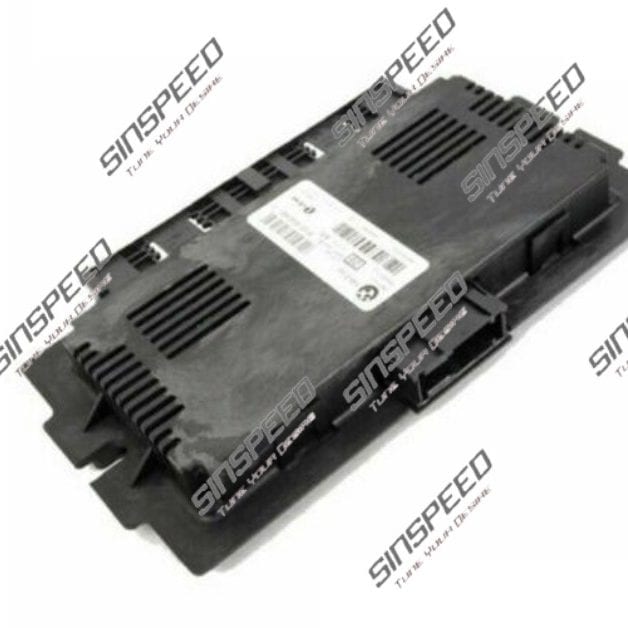
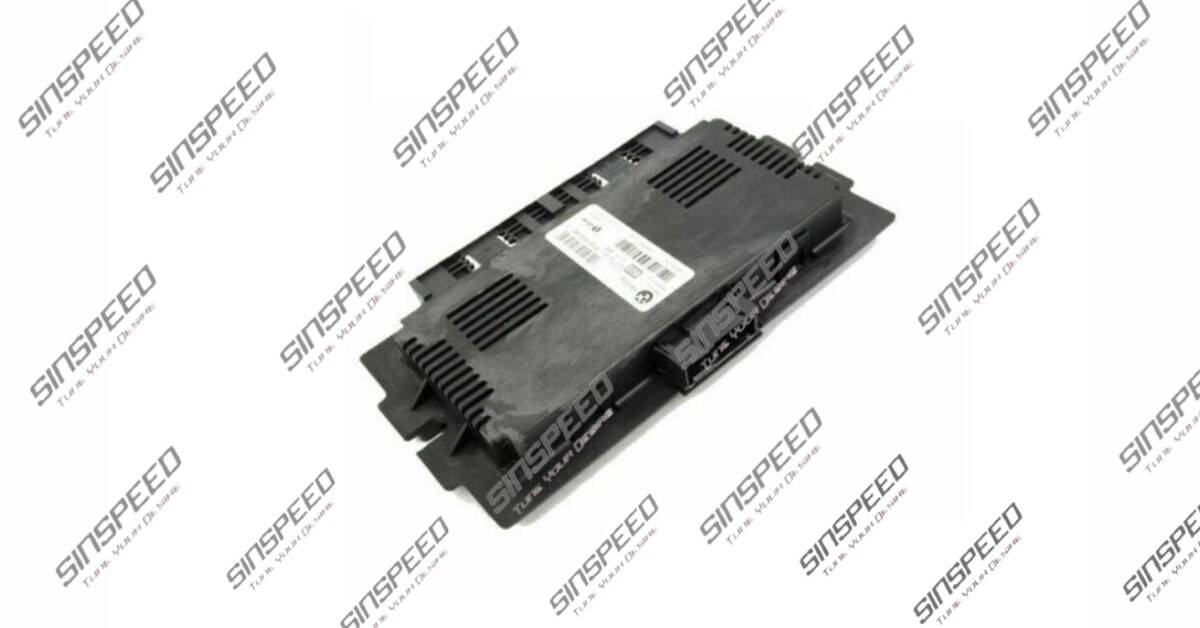
Understanding Your Mini Cabrio Footwell Module
The footwell module is like the control centre for your car’s electronic features. It manages things like interior lights, locking the doors, and controlling the windows, so everything works smoothly while you’re driving.
Common Faults
Dim or flickering interior lights could indicate a faulty footwell module.
Flickering lights or erratic interior components may suggest problems with the footwell module.
Inconsistent or failed power windows could be due to footwell module issues.
Problems with central locking systems might point to footwell module malfunctions.
Common Part Numbers
Below is a comprehensive list of the part numbers encountered in our workshops for repair. While this list is extensive, if your part number is not shown, it may still be one we can test and repair, so don’t hesitate to reach out for assistance.
Part Numbers
Part Numbers
61359390491
61359340339
61359308371
61359286887
61359263803
61359240533
61359241008
61359204536
61359187559
61359166708
61359159808
61359153779
61359224595
61359240527
61359249083
61353456588
61353456394
61359263800
61353456051
61359224589
61359241006
61359230450
61353457427
61353456034
61353456395
61359241005
61359240530
61359230447
61359230448
61359241007
61359249081
61359249080
61359224593
61359241002
61359230451
61359263797
61359224592
61359224594
61359230454
61359251487
61359263794
61359240523
61359224588
61359251486
61359249084
61359224618
61359230432
61359230433
61359224616
61359224617
61359224598
613592230445
61359230445
61359146058
61359263801
61359249082
61359230446
61359230438
61359240528
61359241004
61359340333
61359230453
61359390484
61359197159
61359390483
61359340331
61359230444
61359241011
61356827064
61359225496
61359269830
61359263798
61359240524
61353456587
61353457428
61353455895
61359249085
61353456393
61353457029
6135345730
61356827072
61353457429
61353457586
61359263791
61359224597
6135981387801
6135925148601
61359251486-01
6135922459401
61359224594-01
6135345739201
61353457392-01
61359287250
61359230455
63159263793
61359263793
61359251489
61359383050
61359269815
5350538C200
61353457528
61353456988
61353456987
61359241012
61359242522
61359249086
61353455896
61353457526
61353456952
61359308361
61359240529
61353457426
61359241003
61353456586
61359240532
61359224596
61359287251
6135345639401
6135926983001
61359249074
61353457390
61353457390
61353457389
61353457389
61353456951
61359224590
61353456986
61353457587
61353457402
61353457400
61359224591
61359249092
61353457031
61353457401
61353457403
61353457387
61353456953
61353457596
Fault Codes Of Mini Cabrio FRM3
Affected Models: 2007-2015 Mini Cabrio Variants
A056: Interior Lighting Control Module – Supply Voltage
B156: Window Regulator Switch, Passenger Side – Defective
C302: Central Locking Control Module – Communication Failure
D408: Footwell Module – Malfunction
E201: Power Window Motor, Driver Side – Circuit Short to Ground
No Mini Cabrio model is immune to potential footwell module challenges. From early models in 2007 to the 2015 iterations, these issues can affect the entire Mini Cabrio lineup, including convertible variants.
Our Mini Cabrio Footwell Module Repair Service
At Sinspeed, we go above and beyond to address footwell module concerns. Through meticulous diagnostics and repair procedures, we rectify underlying issues, ensuring optimal performance and reliability. Additionally, we stand behind our workmanship with a lifetime warranty, providing you with peace of mind and confidence in your vehicle.
Why Choose Us for Your Footwell Module Woes?
Expertise and Experience
Our team of skilled technicians possesses extensive experience in diagnosing and repairing Mini Cabrio footwell modules, ensuring accurate and efficient service.
Quality Assurance
We utilise high-quality components and industry-leading repair techniques to restore footwell modules to peak performance, exceeding expectations and industry standards.
Customer Satisfaction
Your satisfaction is our top priority. We strive to deliver exceptional service and support, ensuring a seamless experience from diagnosis to repair completion.
Warranty Coverage
With our comprehensive warranty coverage, you can trust in the longevity and reliability of our repairs, providing you with peace of mind for the road ahead.
Contact Us Today
Choose Sinspeed as your trusted partner for Mini Cabrio footwell module repairs, and let us help you regain control and confidence in your driving experience. Call us today to schedule a diagnostic appointment and take the first step towards resolving your footwell module concerns.
The Mini Clubman, with its distinctive design and practicality, has won the hearts of many drivers worldwide. However, like any sophisticated vehicle, it relies on intricate electrical systems to function smoothly. Among these systems, the footwell module plays a pivotal role, ensuring the seamless operation of various functions. In this article, we delve into the complexities of the Mini Clubman footwell module, exploring its functions, common issues, and how Sinspeed can provide expert repair services, particularly for models produced between 2006 and 2014.
Understanding Common Issues
Indicators not working.
Hazard lights not working.
Headlights staying on / won’t switch off.
Taillights staying on / won’t switch off.
No main beam Interior lights not working.
Electric windows not working or will open but not always close.
No communications with FRM unit.
Fuse Blowouts.
Fault codes:
Diagnostic trouble codes (DTCs) stored within the footwell module can provide valuable insights into underlying issues. Here are some common DTCs associated with Mini Clubman footwell module faults:
Genuine Components We use only high-quality components during the rebuilding process, prioritizing longevity and reliability.
Exceeding OE Specifications Our commitment to excellence ensures that every rebuilt footwell module meets and exceeds OE specifications, guaranteeing optimal performance.
No Programming Required Customers can rest assured that repaired units won’t require additional programming. All programming data is retained during the rebuild process, streamlining the installation process.
Lifetime Warranty We stand behind our workmanship. All repaired Mini Clubman footwell modules come with a lifetime warranty, providing customers with peace of mind.
Common Part Numbers
Below is a comprehensive list of the part numbers encountered in our workshops for repair. While this list is extensive, if your part number is not shown, it may still be one we can test and repair, so don’t hesitate to reach out for assistance.
The Mini Clubman footwell module is a vital component that ensures the smooth operation of various electrical systems. When faced with issues, turning to experts like Sinspeed can provide reliable solutions. With our expertise, genuine components, and commitment to quality, we strive to deliver unparalleled repair services, ensuring Mini Clubman owners can enjoy their vehicles to the fullest.
Feel free to get in touch with us to discuss your needs and schedule a repair service for your Mini Clubman footwell module.
Summary: This article delves into the common Land Rover gear selector issues, offering insights into common problems, affected vehicles, often related fault codes, and our testing & repair services.
Understanding Land Rover Gear Selector Problems:
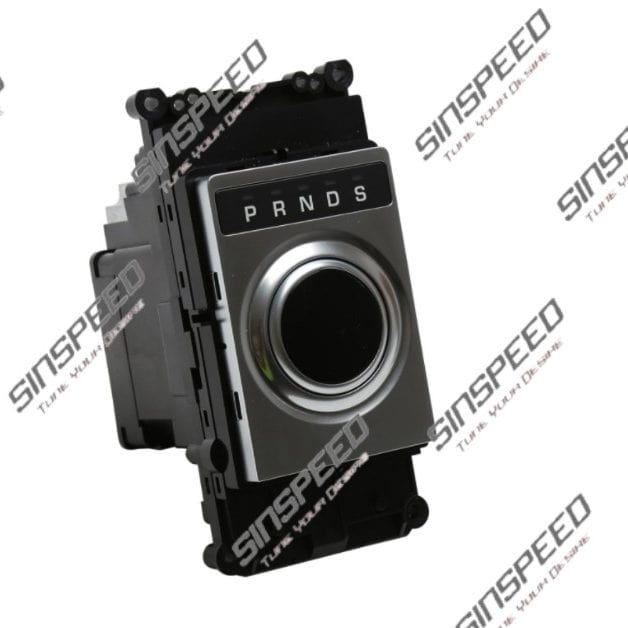
Land Rover vehicles are renowned for their rugged performance and off-road capabilities. The gear selector is a vital link between the driver and the vehicle’s transmission system. In Land Rover models such as the Range Rover Sport, Evoque, Discovery, and others, gear selector issues may manifest as difficulty shifting gears, erratic behaviour, or complete failure to engage gears. These problems can stem from various factors, including mechanical wear, electrical faults, or software glitches within the gear shift module.
The known affected vehicles include:
Discovery 4 (2009 – 2016)
Discovery Sport (2015 – 2019)
Discovery 5 (2017 – Present)
Range Rover (2012 – 2020)
Range Rover Sport (2009 – Present)
Range Rover Evoque (2011 – 2019)
Common Gear Selector Problems:
When the gear shift selector module fails, it can be extremely frustrating. Some of the faults may be intermittent whilst others can appear at once and be permanent, rendering the vehicle completely undrivable. Below are some of the most common issues we have seen with client units that have been sent in to us for repair.
Gear selector dial does not rise or fall
Cannot rotate gear selector dial
Cannot select gear / stuck
Fault Code: P176C-11 – Transmission Range Selector Lock Control Error
Additional Codes: P176A and P176B
Our Land Rover Gear Selector Repair Service:
At Sinspeed, we understand the frustration and inconvenience caused by gear selector problems in Land Rover vehicles. That’s why we offer specialised gear selector repair services tailored to address these specific concerns. Our team of experienced engineers have the expertise and diagnostic capabilities necessary to diagnose and rectify gear selector malfunctions promptly. Whether it’s repairing mechanical components, addressing electrical faults, or reprogramming the transmission control module (TCM), we ensure that your Land Rover’s gear selector operates flawlessly.
Why Choose Sinspeed for Your Land Rover Gear Selector Repair?
When it comes to resolving Land Rover gear selector issues, Sinspeed stands out as a trusted partner for discerning drivers. Here’s why you should choose us for your Land Rover gear selector repairs:
Expertise: With years of experience in automotive electronics and transmission systems, our engineers have the knowledge and skills to tackle even the most complex gear selector problems.
Precision Repair: We utilise advanced diagnostic equipment and repair techniques, combined with high-quality components that meet & exceed OEM specifications to ensure accurate and long-lasting solutions for your Land Rover’s gear selector issues.
Quality Assurance: At Sinspeed, we stand behind our workmanship with a Lifetime Warranty, providing you with complete peace of mind and confidence in the repairs we perform.
Customer Satisfaction: Your satisfaction is our top priority. We strive to deliver a personalised service and attentive support, keeping you informed throughout the repair process.
Affordability: We believe in fair and transparent pricing, offering competitive rates for our Land Rover gear selector repair services without compromising on quality.
Conclusion: Gear selector problems can significantly impact the driving experience and reliability of Land Rover vehicles. By understanding the common symptoms, diagnostic procedures, and effective repair solutions, Land Rover owners can address gear selector issues promptly and restore optimal performance. Whether it’s a Range Rover Sport, Evoque, Discovery, or other models, trust Sinspeed to deliver exceptional gear selector repair services tailored to your needs. Drive confidently with Sinspeed – your trusted Land Rover gear selector repair partner.
Common Part Numbers
Below we’ve put together a list of some of the common part numbers we frequently see in our workshops for test and repair.
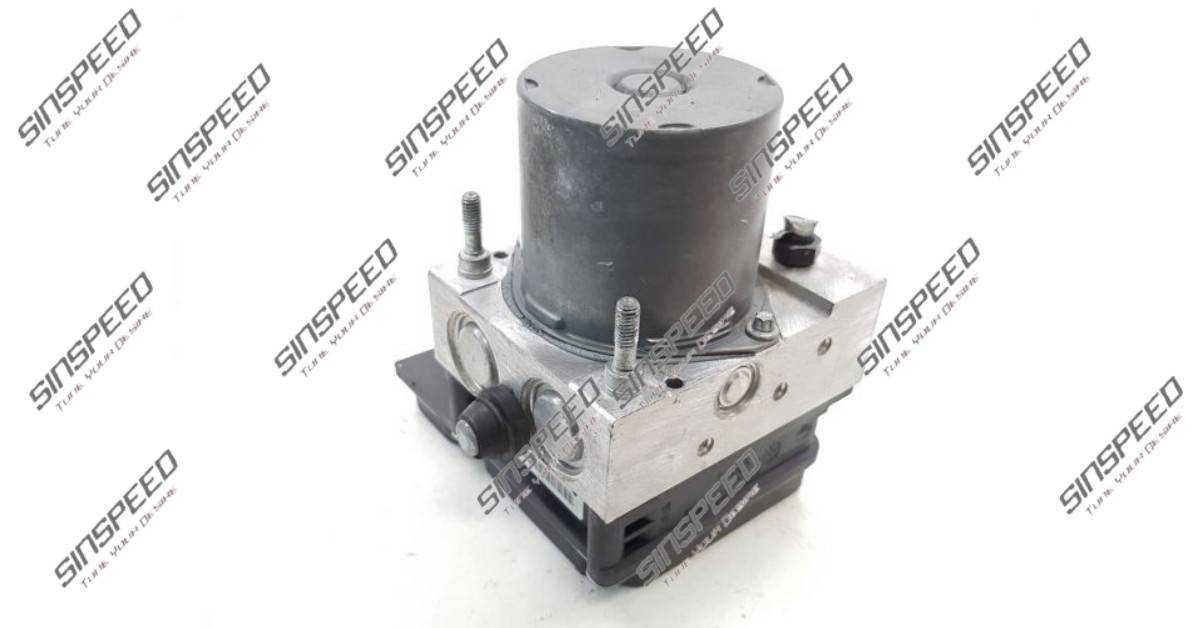
Is your Audi A4 ABS experiencing issues? These problems can be stressful and compromise safety from warning lights to erratic braking. Let’s dive into more details regarding Audi A4 ABS and cover all the main issues including common problems, causes, some additional tips and how we can help you!
Common Audi A4 ABS Problems
Warning lights: Illuminated ABS, ESP, or Traction Control lights often indicate sensor or ECU malfunctions.
Unusual brake performance: This could include spongy brakes, extended stopping distances, or vibrations during braking.
Reduced stopping power: Without a functioning ABS, braking distances can increase, posing safety risks.
No ABS activation: During hard braking, the wheels lock up instead of pulsing, preventing optimal stopping power and control.
Causes of Audi A4 ABS Problems
Faulty wheel speed sensors: These sensors monitor wheel rotation and send crucial data to the ABS.
Damaged ABS pump / ECU: The control unit of the ABS can malfunction due to internal component wear or software glitches.
Faulty wiring or connections: Electrical issues can disrupt communication between sensors and the ABS.
Low brake fluid level: Insufficient fluid can trigger warning lights and affect braking performance.
Sinspeed: Your Trusted Solution for Audi A4 ABS Repair
We offer a comprehensive approach to your A4’s ABS problems:
Expert diagnosis: Our technicians utilise advanced tools to pinpoint the exact cause of the issue. Visiting a qualified mechanic with specialised Audi diagnostic tools is crucial to pinpoint the exact cause of the issue. Depending on the diagnosis, repairs may involve replacing faulty sensors, the ABS module, or fixing electrical issues. In some cases, software updates might be necessary.
Repair or replacement: We prioritize repair wherever possible, using high-quality OEM parts for cost-effectiveness and reliability.
Software updates: We ensure your ABS is running on the latest software for optimal performance.
Transparency and communication: We keep you informed throughout the process, explaining the issue and repair options clearly.
Warranty and peace of mind: We stand behind our work with a comprehensive warranty for your added assurance.
DIY repairs: While technically possible, ABS repairs often require specialized knowledge and tools. Attempting DIY repairs with proper expertise can improve the problem and maintain safety.
Additional Tips
Regular maintenance: Scheduled brake system checks and fluid changes can help prevent ABS problems.
Genuine parts: Opting for high-quality, OEM-equivalent parts ensures optimal performance and reliability.
Warranty coverage: Check your warranty terms to see if ABS repairs are covered.
Frequently Asked Questions
What are ABS problems in Audi A4 vehicles?
ABS (Anti-lock Braking System) problems in Audi A4s may manifest as warning lights on the dashboard, pulsating brake pedals, or difficulty in braking, indicating potential issues with the ABS sensors, control module, or hydraulic unit.
What are the common causes of ABS problems in Audi A4s?
Common causes include faulty ABS sensors due to dirt or damage, malfunctioning control modules, hydraulic unit failures, or wiring issues.
How can I diagnose ABS problems in my Audi A4?
Diagnosing ABS problems may require specialized diagnostic tools. Start by checking for any warning lights on the dashboard, and then inspect ABS sensors, wiring, and connections. It’s advisable to consult a qualified mechanic or Audi dealership for a thorough diagnosis.
Are ABS problems in Audi A4s dangerous?
Yes, ABS problems can compromise the vehicle’s braking system, leading to reduced braking effectiveness and increased stopping distances, potentially increasing the risk of accidents. Prompt attention to ABS issues is essential for safety.
Can I drive my Audi A4 with ABS problems?
It’s not recommended to drive with ABS problems as it can compromise your safety. If you encounter ABS issues, have your vehicle inspected by a professional mechanic or Audi service center immediately.
How are ABS problems in Audi A4s typically repaired?
Repair methods vary depending on the specific issue. It may involve replacing faulty ABS sensors, repairing wiring or connections, recalibrating the ABS, or replacing the ABS control module or hydraulic unit. Professional diagnosis is crucial for determining the appropriate repair.
Are ABS problems covered under Audi warranty?
Warranty coverage depends on various factors such as the vehicle’s age, mileage, and specific warranty terms. Consult your Audi dealership or warranty documentation for clarification on coverage for ABS-related issues.
How can I prevent ABS problems in my Audi A4?
Regular maintenance, including brake system inspections, keeping ABS sensors clean, and addressing any warning signs promptly, can help prevent ABS problems. Additionally, drive cautiously to minimize wear and tear on braking components.
Are there any recalls related to ABS problems in Audi A4s?
Audi periodically issues recalls for various safety-related issues, including ABS problems. Check with your local Audi dealership or the National Highway Traffic Safety Administration’s (NHTSA) website for any recall information relevant to your Audi A4 model.
Where can I get help with ABS problems in my Audi A4?
Seek assistance from certified Audi mechanics or authorised service centers specialising in Audi vehicles. They have the expertise and tools to diagnose and repair ABS problems effectively, ensuring your vehicle’s safety and performance.
Don’t let ABS problems keep you off the road or let ABS problems compromise your safety. By understanding the symptoms, causes, and repair options, you can make informed decisions to get your Audi A4 back in top shape and ensure safe driving. Contact us today for a free consultation and get your Audi A4 back on the road with confidence.
Conclusion
In conclusion, ABS issues in your Audi A4 can cause stress and safety issues, such as warning lights, irregular braking, reduced stopping power, and wheel locking. Common causes include defective wheel speed sensors, damaged ABS pump/ECU, poor wiring, and low brake fluid. Sinspeed offers comprehensive diagnosis, repair, software updates, clear communication, and a comprehensive warranty. DIY repairs may be possible, but require specialized knowledge and materials.
Visit our website or call us for further information and expert advice.
Together, let’s keep your Audi A4 performing at its best.
Remember: Your safety is paramount. If you suspect an ABS issue, consult us immediately.
Summary: The Vauxhall Corsa D ABS pump is one of the most common ABS failures in the UK. Every year, thousands of Corsa D owners discover the fault the hard way — the car veers sharply to the right under heavy braking with no warning light on the dashboard to warn them.
The cause is a known design flaw in the Bosch 8.0 hydraulic block fitted to all Corsa D models from 2006 to 2014. An internal valve fails, cutting hydraulic pressure to the near-side front (left front) calliper. No fluid reaches the calliper, the front left brake contributes nothing to the stop, and the car pulls hard toward oncoming traffic.
Replacing the unit with a new one from Vauxhall doesn’t solve the problem — new units carry the same design flaw. At Sinspeed we repair the fault and reinforce the known weak points, returning your unit with a lifetime unlimited-mileage warranty and no coding required.
All Vauxhall Corsa D models built between 2006 and 2014 — across every engine size from the 1.0 ecoFLEX to the 1.6 VXR — are fitted with the Bosch 8.0 ABS unit. Depending on the trim level and specification, the unit is either the Bosch 8.0 without ESP (fitted to the majority of standard variants) or the Bosch 8.0 with ESP (fitted to higher-spec trims including the SXi, SE, and VXR).
Unit
Fitted To
ESP?
Identifying Feature
Bosch 8.0 (no ESP)
Corsa D 2006–2014 — most variants
No
Part numbers often include suffix like ‘AQ’ or ‘FB’
Bosch 8.0 (with ESP)
Corsa D 2006–2014 — higher-spec trims (SXi, SE, VXR)
Yes
Part numbers often include the suffix ‘AVT’; ESP/TC light on dash
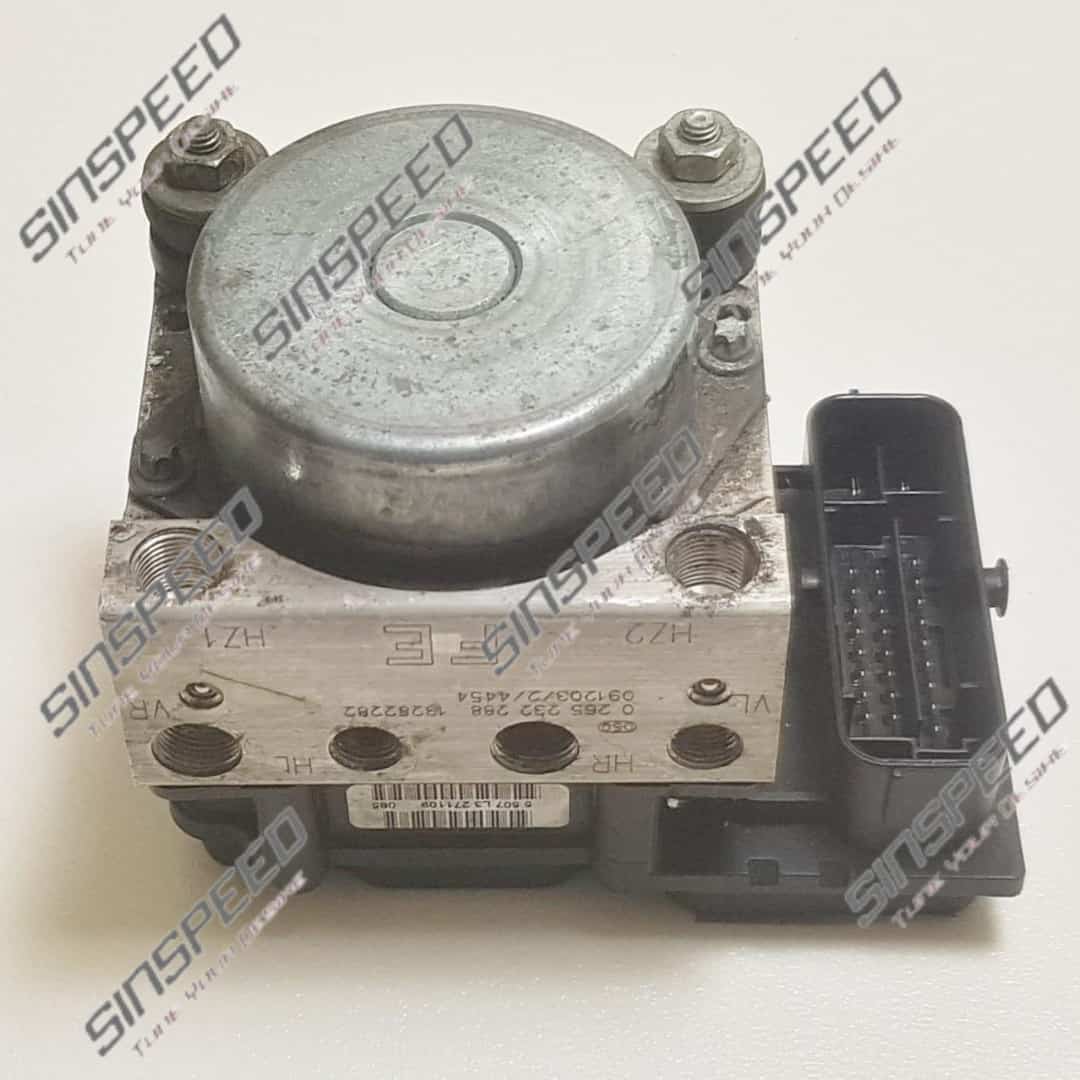
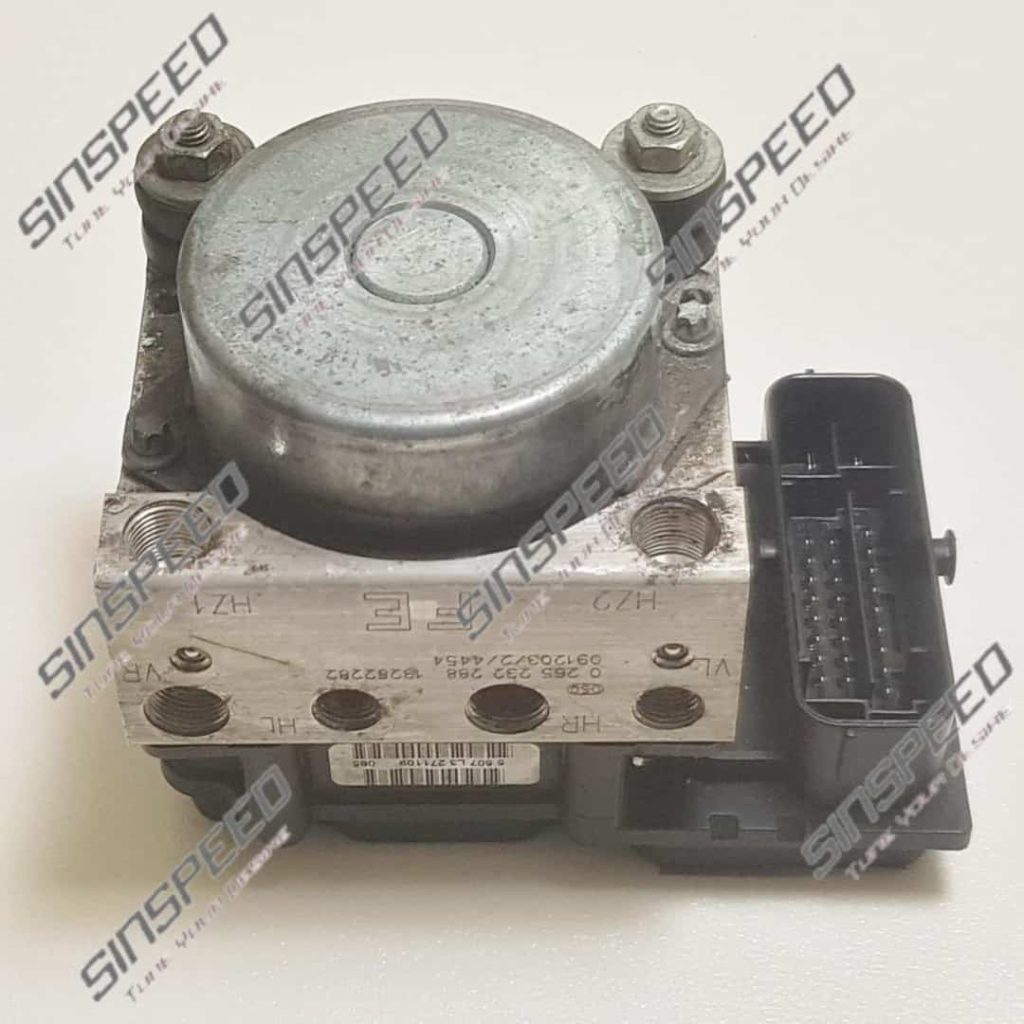
The ESP variant adds traction control and electronic stability functions on top of the standard ABS, but both variants share the same underlying hydraulic block design — and the same design weakness. The part numbers on your unit will help identify it: non-ESP units commonly carry the suffix AQ, AFA, FB or FE on the sticker. ESP-equipped units typically carry the suffix AVT.
For a full explanation of how the Bosch 8.0 unit works and what the three sub-assemblies inside it do, see our unit guide: Bosch 8.0 ABS Pump Faults & Repairs →
The Primary Fault: No Fluid to the Front Left Calliper
! SAFETY
This fault causes the vehicle to veer to the right under heavy braking. In the UK, this means pulling toward oncoming traffic. It can occur without any warning light on the dashboard. If you notice the car pulling under braking, do not ignore it — have it investigated immediately.
The most common Corsa D ABS failure is not an electronic fault — it is a hydraulic one. Inside the ABS unit sits the hydraulic block: a precision-machined aluminium assembly containing the solenoid valves that control brake fluid pressure to each calliper independently. When the valves for the near-side front (left front) circuit fail or stick, fluid can no longer reach that calliper.
The result is that the front left brake contributes nothing during a stop. All braking effort falls to the other three wheels, and because the front right brake is still working hard while the left contributes nothing, the car pulls sharply to the right.
The critical detail that catches many owners and garages out: this fault rarely triggers a warning light. The ABS ECU does not always detect the hydraulic failure, so no fault code is stored and no amber warning light appears. The car brakes normally in routine driving. The fault only becomes apparent under heavier braking — often during an emergency stop, an MOT brake test, or when a mechanic notices uneven brake wear.
How garages can confirm this fault in 60 seconds
With the engine off and the brake fluid reservoir full, ask a mechanic to attempt to bleed each calliper in turn. If no fluid emerges from the near-side front bleed nipple despite a full reservoir and no visible external leaks, the ABS hydraulic block is the cause. The valve is stuck shut. No amount of bleeding, calliper replacement, or flexi hose replacement will fix this — the fault is inside the ABS unit.
The fault progresses if left unrepaired
In the early stages of the fault, brake imbalance may be mild and only apparent under hard braking. Over time, as the valve deteriorates further, the imbalance worsens. The front left calliper may begin to stick or bind in the opposite direction as residual pressure builds and cannot escape. In some cases, the wheel will eventually overheat. The pump motor can also be affected if the unit is left operating in a degraded state for extended periods.
Other Faults and Symptoms
While the hydraulic block valve fault is by far the most common Corsa D ABS failure, the Bosch 8.0 unit can fail in other ways. The table below covers all fault types we see at our workshop:
Fault / Symptom
Warning Light?
Cause
No fluid to N/S/F (left front) calliper — vehicle pulls right under braking
No — often none at all
Internal valve fault in hydraulic block. Most common Corsa D fault. Part numbers often marked ‘AQ’ or ‘FB’.
No fluid to other callipers (O/S/F, rear)
Sometimes
Valve fault affecting different calliper circuit — less common but seen
ABS warning light on permanently
Yes — amber ABS light
ABS ECU fault, wheel speed sensor fault, or pump motor circuit fault (C1810)
No communication with ABS module (scanner shows U0121 or ‘no link’)
Yes — ABS + TC lights
Internal ECU failure — CAN communication lost
Brake pressure sensor fault (fault codes C0131 or similar)
Yes — ABS + ESP lights
Internal pressure sensor failure inside ECU (less common on Corsa D than on VAG / Ford MK60 units)
Pump motor running continuously / battery drain
Yes — ABS light
Internal relay or ECU fault commanding pump motor permanently
The presence of warning lights does not necessarily indicate a more serious fault than their absence. As noted above, the most dangerous Corsa D ABS failure — the loss of fluid to the front left calliper — frequently produces no warning lights at all.
Fault Code
Description
Likely Cause
No code stored
No fault codes present
Hydraulic block valve fault — most common Corsa D failure. No fluid from N/S/F bleed nipple.
C1810
Pump Motor Circuit
Internal pump motor or relay fault inside ABS ECU
C0131
Pressure Sensor Circuit Malfunction
Internal pressure sensor failure
U0121
Lost Communication with ABS Module
Internal CAN transceiver failure in ABS ECU
C0035
Wheel Speed Sensor Circuit – Front Left
External wheel speed sensor or wiring fault
C0040
Wheel Speed Sensor Circuit – Front Right
External wheel speed sensor or wiring fault
How to Diagnose the Fault
The Corsa D ABS fault is one of the more straightforward to confirm once you know what to look for. Work through these steps in order:
Step
What to Do
1. Check for warning lights
If there are no warning lights but the car pulls right under braking, the fault is almost certainly the hydraulic block valve — not the sensors or ECU. Do not be misled by an absence of lights into thinking the ABS is fine.
2. Attempt to bleed all four brakes
Jack the car and attempt to bleed each calliper in turn. If you get no fluid from the near-side front (left front) bleed nipple despite a full reservoir and no visible leaks, the ABS block has a stuck or failed valve. This is diagnostic on its own.
3. Scan with an ABS-capable tool
A generic OBD-II reader often cannot communicate with the Corsa D ABS module. Use Tech 2, Vauxhall-compatible scanners, or professional-grade tools (Autel, Launch). Note all fault codes before clearing anything.
4. Check part number suffix
The part number sticker on the unit will show a suffix. Non-ESP units carry suffixes AQ, AFA, FB or FE. ESP units carry AVT. All variants are affected by the hydraulic block fault. Photograph the full part number before removing the unit.
5. Do not replace callipers, pads, or flexi hoses
This fault is frequently misdiagnosed as a stuck calliper or kinked hose. If fluid is reaching the flexi hose but not exiting the bleed nipple, the ABS block is the cause — not the calliper.
If scanning produces fault codes, cross-reference them against the fault table in Section 3. For no-communication faults (U0121 or similar), see our detailed guide: ABS Module No Communication Fault Diagnosis →
The instinctive response to a faulty ABS unit is to replace it. For the Corsa D, this approach has a serious flaw: every new Bosch 8.0 unit supplied for the Corsa D contains the same hydraulic block design as the unit that failed. The valve configuration that caused the original failure is present in new units from the manufacturer.
This means fitting a new unit resolves the immediate problem but does not eliminate the risk of recurrence. The new unit carries the same design weakness and will, over time, be subject to the same failure mode. When it fails again, you face the same cost again — plus coding, plus labour.
Option
Cost & Warranty
The Problem
New OEM unit from Vauxhall dealer
£500–£900+ parts only. 1 year warranty. Coding required.
Contains the same hydraulic block design. The internal valve design flaw is present in new units too — repeat failure is a real risk.
Second-hand / scrapyard unit
£50–£150. 30–90 day warranty typically. Coding required.
Unknown history. Many scrapyard units were removed because they were developing the same fault. No meaningful warranty on a safety-critical component.
Sinspeed repair and rebuild service
Up to 90% cheaper than new. Lifetime unlimited-mileage warranty. No coding required.
We repair the fault and reinforce known weak points — including upgrading components where appropriate — so the unit returns performing as it should, not just as it was.
The case for having your original unit repaired and rebuilt is strong on every measure: cost, warranty strength, turnaround time, and the elimination of the coding visit that a replacement unit always requires. Your original unit is already matched to your vehicle — it goes straight back in.
The Sinspeed Repair and Rebuild Service
Sinspeed has been repairing Vauxhall Corsa D ABS units since 2007. The Bosch 8.0 — in both its ESP and non-ESP variants — is one of the units we see most frequently, and our engineers know its failure modes inside and out.
When your Corsa D ABS unit arrives at our workshop, we:
Test the unit on dedicated rigs that replicate real-world load and driving conditions — reproducing faults that bench testing alone would miss
Identify the specific fault: hydraulic valve, pump motor, ECU circuit, pressure sensor, or communication failure
Repair the fault and reinforce the known weak points in the Bosch 8.0 design, upgrading components to higher-rated specifications where appropriate
Retest the unit after repair to confirm all faults are resolved and the unit performs correctly under load
Return it to you ready to refit — plug straight back in, bleed the brakes, and drive away
No coding required. Because we are repairing your original unit — the one already matched to your vehicle — no dealer coding visit is needed on return. Your mechanic simply refits the unit and bleeds the system.
Lifetime unlimited-mileage warranty. Every Corsa D ABS repair at Sinspeed carries our lifetime warranty with no mileage cap and no hidden conditions. If the repair fails under normal use, we repair it again at no charge.
Typical turnaround: 2–3 working days from the date we receive your unit, returned via tracked courier.
To send your Corsa D ABS unit to us, you have three options:
Have a question first? Call us on 0203 815 9441 or use our contact form and we’ll confirm coverage and answer any queries: Contact Us →
Ready to send — pay after testing: Fill in our online repair form, print it off, pack it with your unit, and send it to us. We test first and contact you to confirm the fault before taking payment: Complete the Repair Form →
Yes — for any Vauxhall Corsa D registered after 1 July 2003, an illuminated ABS warning light is an automatic MOT failure. The DVSA classifies it as a Major defect under the braking system category.
However, as noted throughout this guide, the most dangerous Corsa D ABS fault — the hydraulic block valve failure — often produces no warning light. A Corsa D with this fault can pass an MOT visual check without triggering a failure, yet be dangerous under heavy braking. The MOT brake efficiency test and a brake bleed test are the most reliable ways to identify the fault on a vehicle that shows no dashboard warnings.
My Corsa D pulls to the right when braking but there’s no ABS light. Could it still be the ABS pump?
Yes — and this is the most common presentation of the Corsa D fault. The hydraulic block failure does not always trigger a warning light. If the car pulls under braking and your mechanic cannot get fluid from the near-side front (left front) bleed nipple, the ABS unit is the cause.
Can I drive a Corsa D with this fault?
With caution, and only in the short term. The front left brake is contributing little or nothing to your braking effort. In routine driving at moderate speeds you may not notice much difference. In an emergency stop at speed, particularly in wet conditions, the vehicle can veer sharply to the right. This is dangerous and should be addressed promptly.
My mechanic has already replaced the calliper and flexi hose but the problem is still there. Why?
Because the fault is inside the ABS unit, not in the calliper or hose. This is an extremely common misdiagnosis. Fluid is not reaching the calliper because the ABS hydraulic block has a failed valve — no external brake component change will fix this. The ABS unit itself needs to be repaired.
Will the same fault happen again after repair?
Not if the repair addresses the root cause rather than just the symptom. At Sinspeed we repair the fault and reinforce the known weak points in the Bosch 8.0 design. This is why we back every repair with a lifetime warranty — we are confident the fault will not recur under normal use.
Does a Corsa D ABS repair require coding after refitting?
No. Because we are repairing your original unit, it retains its existing vehicle-matched configuration. Your mechanic simply refits the unit and bleeds the braking system. No diagnostic interface or dealer coding visit is required.
How long does the repair take?
Typically 2–3 working days from the date your unit arrives at our workshop. We contact you as soon as testing is complete and the unit is on its way back.
My part number isn’t in your list — can you still repair it?
Almost certainly yes. The part number table covers the most commonly seen numbers but is not exhaustive — we have repaired well over 200 distinct Corsa D ABS part numbers. If you’re unsure, call us on 0203 815 9441 with your part number and we’ll confirm within minutes.
What’s the difference between the Corsa D and Corsa E ABS fault?
The Corsa E (2014–2019) uses a different ABS unit and has a different primary failure mode — typically brakes that stick or bind after braking rather than the no-fluid-to-calliper fault seen on the D. We offer a separate repair service for the Corsa E.
Can you repair the Corsa D ABS pump if it has no communication?
Yes. No-communication faults on the Corsa D are repairable and are caused by internal ECU failure rather than external wiring in most cases. For a detailed explanation of how we diagnose and repair no-communication faults: ABS Module No Communication Fault Diagnosis →
Final Thoughts
The Vauxhall Corsa D ABS fault is well-documented, widespread, and entirely repairable. What makes it particularly important to address promptly is that the most dangerous version — the hydraulic block valve failure that removes braking force from the front left calliper — gives almost no warning. No light, no noise, no obvious symptom in everyday driving. It shows up when you need it least: in an emergency stop.
If your Corsa D is pulling to one side under braking, or your mechanic has found no fluid at the front left bleed nipple, the ABS unit needs attention. Replacing callipers, hoses, and pads will not cure it. Fitting a new unit from the dealer reintroduces the same design flaw at significant cost. The most cost-effective, reliable, and warranty-backed route is to have your original unit repaired and rebuilt by a specialist.
Sinspeed has been repairing Corsa D ABS units since 2007. Send your unit to us and we’ll have it back with you, fully repaired and tested, in 2–3 working days — backed by our lifetime, unlimited-mileage warranty.
Summary: Discover common causes, symptoms, and solutions for Peugeot 207 power steering failure, ranging from EPS unit faults to fluid leaks. FAQs address practical concerns. Prompt attention is crucial for safety and vehicle performance. Read and empower yourself with insights into Peugeot 207 power steering challenges, ensuring a smoother ride and informed decision-making.
Causes of Peugeot 207 Power Steering Failure
The most common cause of power steering failure in the Peugeot 207 is a fault with the Electric Power Steering (EPS) unit. The EPS unit is responsible for providing power assistance to the steering wheel, and it can fail due to some reasons, including
Electric Power Steering (EPS) Motor Failure: The Peugeot 207 is equipped with an Electric Power Steering system, and a malfunctioning EPS motor can lead to power steering failure. This may be due to wear and tear, electrical issues, or manufacturing defects.
Steering Control Module Failure: The Power Steering Control Module, responsible for interpreting driver input and adjusting power assistance accordingly, can malfunction. Software glitches or hardware failures within the module can disrupt the power steering system.
Fluid Leaks or Contamination: Power steering fluid leaks or contamination can compromise the system’s functionality. Over time, fluid levels may drop, affecting the performance of the power steering pump and leading to failure.
Symptoms of Peugeot 207 Power Steering Failure
Some symptoms can indicate that your Peugeot 207 is experiencing power steering failure, including
Heavy Steering
One of the earliest signs of power steering issues is a noticeable increase in steering effort. The steering wheel becomes difficult to turn, requiring more force from the driver.
Steering Wheel Vibration
Vibrations or erratic movements in the steering wheel can indicate problems with the power steering system, including potential issues with the EPS motor or control module.
Dashboard Warning Lights
Warning lights such as the EPS warning light on the dashboard may illuminate, signalling a fault within the power steering system. Ignoring these warnings can lead to complete power steering failure.
Whining or Groaning Noises
Unusual noises during steering, such as whining or groaning sounds, may suggest problems with the power steering pump, fluid levels, or other components.
Solutions and Repairs
If you are experiencing a power steering failure in your Peugeot 207, it is important to have it repaired as soon as possible. There are a few different ways to repair the problem, including
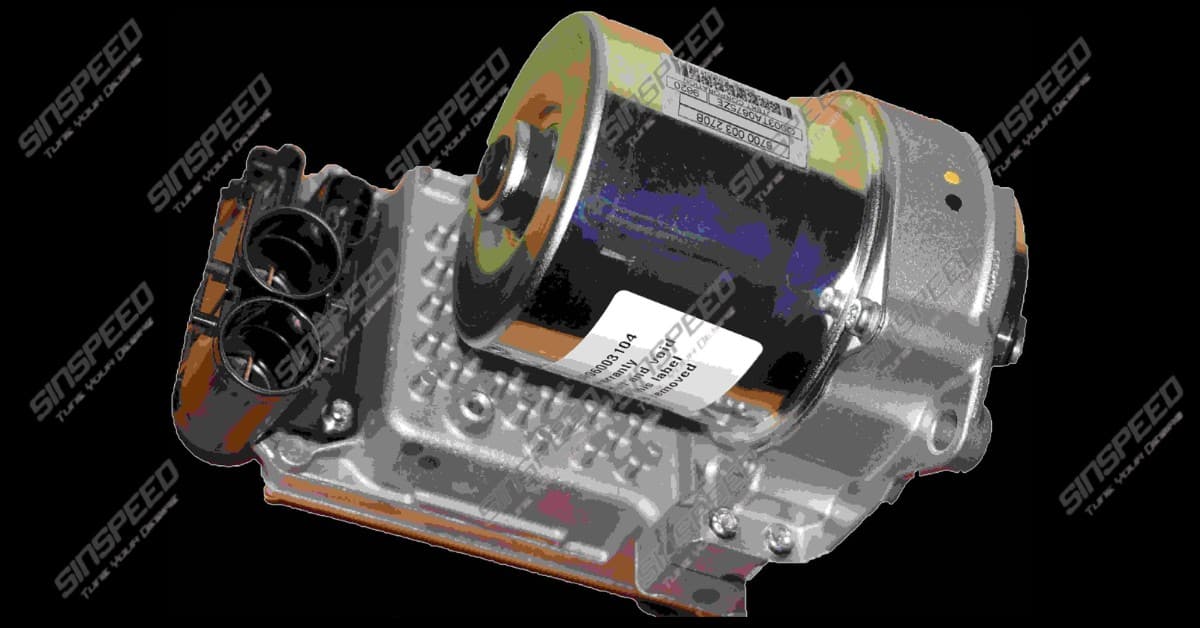
Replacing the EPS unit
This is the most common and most reliable way to repair the problem. However, it can also be the most expensive, as a new EPS unit can cost several hundred dollars.
Refurbishing the EPS unit
Some companies offer EPS unit refurbishment services. This involves repairing the faulty EPS unit and returning it to the customer. Refurbishment is typically less expensive than replacement, but it is not always available.
Soldering the EPS unit
If you are handy with a soldering iron, you may be able to repair the EPS unit yourself. Only those who are confident in their soldering abilities should attempt this delicate process, though.
Professional Diagnosis
If experiencing symptoms of power steering failure, it is crucial to seek a professional diagnosis. A qualified mechanic can perform diagnostics to identify the root cause of the issue.
EPS Motor Replacement
In cases of EPS motor failure, replacement may be necessary. Replacing the faulty motor with a quality, OEM-compatible unit is recommended.
Power Steering Control Module Repair
Repair or replacement of the Power Steering Control Module may be required. This often involves addressing software issues or replacing the module with a reliable, compatible unit.
Fluid Inspection and Leak Repair
Regular inspection of power steering fluid levels and addressing any leaks promptly can prevent further damage to the system. Repairs may involve fixing leaks, replacing hoses, or flushing and refilling the power steering fluid.
Preventing Peugeot 207 Power Steering Failure
There are a few things you can do to help prevent power steering failure in your Peugeot 207, including
Avoid driving through deep water or puddles.
Have the EPS unit checked and serviced regularly, according to Peugeot’s recommended maintenance schedule.
Parking the car in a garage or other covered area to protect it from the elements.
Additional Tips
If you are experiencing power steering failure in your Peugeot 207, it is important to pull over to the side of the road as soon as possible and turn off the engine. Do not try to drive the car any further, as this could be very dangerous.
Call a tow truck to have your car towed to a qualified mechanic.
When choosing a mechanic to repair your Peugeot 207 power steering, be sure to choose one who is familiar with this particular problem.
FAQs
1. What should I do if I experience heavy steering in my Peugeot 207?
If you notice heavy steering, it’s advisable to consult a professional mechanic for a thorough inspection. This symptom could indicate potential power steering issues that require attention.
2. How can I tell if my Peugeot 207’s power steering control module is malfunctioning?
Dashboard warning lights, unusual steering wheel vibrations, or erratic movements can be indicators of a malfunctioning power steering control module. A diagnostic check by a qualified mechanic is recommended.
3. Are power steering issues covered under warranty for Peugeot 207 models?
Warranty coverage varies, and it’s essential to check the terms of your specific warranty. Power steering issues may be covered under certain circumstances, especially if the car is still within the warranty period.
4. Can I continue driving my Peugeot 207 if the power steering warning light is on?
While it may be possible to continue driving, it is not advisable. The power steering warning light indicates a fault, and driving with compromised power steering can pose safety risks. It’s recommended to seek professional assistance promptly.
5. How often should I check the power steering fluid in my Peugeot 207?
Regularly check the power steering fluid levels during routine maintenance. If you notice a significant drop in fluid levels or any signs of leakage, address the issue promptly to prevent potential damage to the power steering system.
6. Can I replace the power steering components in my Peugeot 207 myself?
While some DIY enthusiasts may be capable of basic maintenance tasks, power steering system repairs often require professional expertise. It’s recommended to consult a qualified mechanic for accurate diagnosis and repairs to ensure safety and proper functionality.
7. Is it possible to prevent power steering issues in my Peugeot 207?
Regular maintenance, including checking fluid levels, addressing leaks promptly, and adhering to the manufacturer’s recommended service intervals, can help prevent power steering issues. Professional inspections can also catch potential problems early.
8. How much does it cost to repair or replace the power steering components in a Peugeot 207?
The cost of repairs or replacements can vary based on the specific issue, parts needed, and labour costs. It’s advisable to obtain quotes from reputable mechanics to get an accurate estimate for your particular situation.
Conclusion
Addressing the Peugeot 207 Power Steering Failure requires a systematic approach, from identifying the causes to implementing appropriate solutions. Seeking professional assistance and addressing symptoms promptly is essential to ensure the safety and performance of your Peugeot 207 on the road.
Summary: Get to know all about Volkswagen Polo instrument clusters, particularly in the 4th and 5th generations, which are prone to failures like flickering lights, gauge malfunctions, and even complete blackouts. Corrosion, water damage, worn components, and software errors are some of the potential causes of these. While driving with a faulty cluster is possible, it’s risky. Repair options include replacement (expensive!), refurbishment (more affordable), or DIY soldering (risky!). Early diagnosis and repair are key. Consider factors like cost, warranty, and expertise when choosing a repair solution.
At Sinspeed, we offer specialised Instrument Cluster Failure repair services, backed by expertise, precision, and a commitment to customer satisfaction. Trust us to address your Volkswagen Polo instrument cluster woes with unparalleled skill and care, ensuring optimal performance and peace of mind on the road.
Experience seamless driving with our Volkswagen Polo Instrument Cluster Failure Repair service. The instrument cluster is a vital component in your Volkswagen Polo, providing essential information about your vehicle’s performance. If you’re encountering issues such as flickering lights, malfunctioning gauges, or complete failure, our expert repair service is here to restore functionality and enhance your driving experience.
The Volkswagen Polo, particularly certain generations, has been known to experience instrument cluster failures. This can be a frustrating issue for drivers, leaving them without vital information while driving. Here’s a detailed breakdown of the problem:
Affected Models
4th Generation (2002-2009): This generation is particularly prone to instrument cluster failure, with common issues like flickering backlights, malfunctioning gauges, and complete power loss.
5thGeneration(2009-2017): While less common, some 5th Gen polos have reported issues with the LCD screen, warning lights, and indicator repeaters.
Common Symptoms
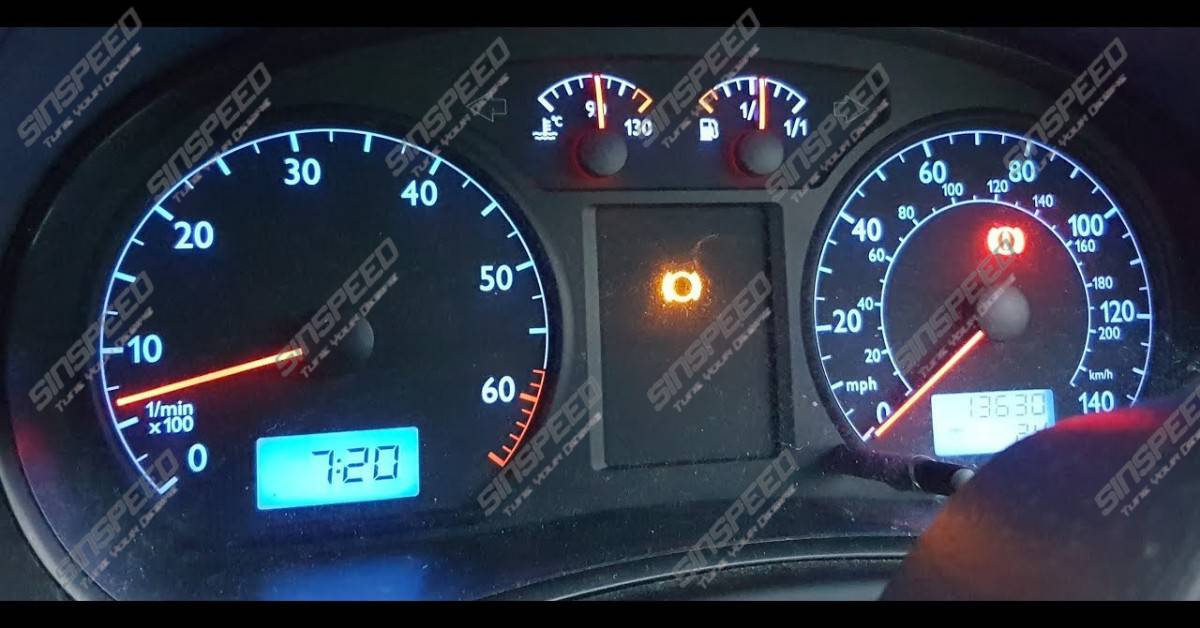
Gaugemalfunctions: Speedometer, fuel gauge, tachometer, or other gauges may not function properly or display incorrect readings.
Backlightissues: Flickering, dimming, or complete failure of the instrument cluster backlight.
LCDscreenproblems: Partial or complete loss of functionality, pixelation, or distorted display on the LCD screen.
Warninglightmalfunctions: Warning lights may not illuminate or stay on constantly, even when there’s no issue.
Indicatorrepeaterproblems: Turn signals or hazard lights may not function correctly or display incorrect patterns.
Intermittentpowerloss: The instrument cluster may randomly power off and restart, or fail to power up at all.
Causes of Failure
Internalcomponentfailure: Faulty solder joints, capacitors, or other electronic components within the cluster can cause malfunctions.
Softwareglitches: Bugs in the instrument cluster’s software can lead to erratic behaviour.
Waterdamage: Exposure to moisture can damage the electrical components and lead to failure.
Corrosion: Over time, corrosion can build up on the circuit board and cause malfunctions.
Repair Options
Replacement: The most common solution is to replace the entire instrument cluster with a new or used unit. This can be expensive, especially for newer models.
Refurbishment: Some companies specialize in repairing faulty instrument clusters. This involves replacing faulty components and updating software, often at a lower cost than replacement.
Soldering: For those comfortable with electronics, soldering repairs can be attempted to fix specific component failures. However, this requires technical expertise and carries the risk of further damage.
Additional Tips
If you suspect an instrument cluster failure, get your Polo checked by a qualified mechanic or Volkswagen dealership as soon as possible.
Early diagnosis and repair can prevent further damage and potential safety hazards.
When considering repair options, weigh the cost, warranty, and expertise offered by different providers.
If opting for a used replacement cluster, ensure compatibility with your specific Polo model and mileage.
By understanding the symptoms, causes, and repair options for Volkswagen Polo instrument cluster failure, you can make informed decisions to get your car back on the road safely and with all the necessary information displayed.
Causes of Instrument Cluster Failure
Electronic Component Wear: Over time, internal electronic components can wear out, leading to erratic behaviour or failure.
Faulty Wiring or Connections: Damaged wiring or poor connections can disrupt the flow of information to the instrument cluster.
Software Glitches: Software issues or bugs may cause malfunctions in the instrument cluster.
Environmental Factors: Extreme temperatures, humidity, or vibrations can contribute to the degradation of internal components.
Our Instrument Cluster Repair Service
Diagnostic Assessment: Our skilled technicians conduct a thorough diagnostic assessment to identify the root cause of the instrument cluster failure.
Component Replacement: Faulty electronic components are identified and replaced with high-quality, OEM-equivalent parts.
Wiring and Connection Checks: We meticulously inspect and repair any damaged wiring or connections contributing to the failure.
Software Updates: If software issues are detected, we apply necessary updates to ensure optimal performance.
Quality Assurance: All repairs undergo rigorous testing to ensure the instrument cluster functions accurately and reliably.
Warranty Coverage: A warranty backs up our repair service, giving you peace of mind and guaranteeing the durability of the repair.
Benefits of Choosing Our Service
Cost-Effective: Repairing the instrument cluster is often more economical than replacing the entire unit.
Expert Technicians: Our team comprises skilled technicians with extensive experience in Volkswagen instrument cluster repairs.
Quick Turnaround: We understand the importance of prompt repair, and our efficient service ensures a quick turnaround time.
OEM-Quality Parts: We use high-quality, OEM-equivalent components to ensure the longevity of the repair.
Customer Satisfaction: Our priority is your satisfaction. We strive to provide a reliable solution to enhance your driving experience.
1. What are the common signs of instrument cluster failure in a Volkswagen Polo?
Common signs include erratic gauge readings, flickering or dim lights, LCD issues, and intermittent power loss to the instrument cluster.
2. Why is my Volkswagen Polo’s instrument cluster failing?
Instrument cluster failure can occur due to electronic component wear, faulty wiring or connections, software glitches, or environmental factors like extreme temperatures and vibrations.
3. Can I still drive my Volkswagen Polo with a malfunctioning instrument cluster?
While it may be possible to drive, a malfunctioning instrument cluster can compromise your ability to monitor critical vehicle information. It is advisable to address the issue promptly to ensure safe and accurate driving.
4. How does the diagnostic assessment work?
Our skilled technicians conduct a thorough diagnostic assessment to identify the specific issues causing the instrument cluster failure. This includes checking electronic components, wiring, and connections, and performing necessary tests.
5. Are the replaced components in the repair service of OEM quality?
Yes, we use high-quality, OEM-equivalent parts for component replacement to ensure the longevity and reliability of the repair.
6. How long does the instrument cluster repair service take?
The turnaround time for our repair service is designed to be quick and efficient. However, it may vary based on the specific issues identified during the diagnostic assessment.
7. Does the repair service come with a warranty?
Yes, a warranty backs up our instrument cluster repair service, giving our customers assurance and peace of mind.
8. Can instrument cluster issues be prevented?
Regular vehicle maintenance, addressing issues promptly, and avoiding extreme environmental conditions can help prevent instrument cluster problems. However, wear and tear over time are natural, and issues may arise despite preventive measures.
9. Is repairing the instrument cluster more cost-effective than replacing it?
In many cases, repairing the instrument cluster is a more cost-effective solution compared to replacing the entire unit. Our repair service aims to provide a budget-friendly alternative without compromising quality.
10. How do I schedule the instrument cluster repair service for my Volkswagen Polo?
You can schedule the repair service through our website or contact our customer service. We will guide you through the process, including diagnostic assessment and repair scheduling.
Addressing instrument cluster issues promptly through our repair service ensures the continued reliability and accuracy of your Volkswagen Polo’s dashboard information. For any additional inquiries or assistance, feel free to contact our dedicated customer support team.
Conclusion
Don’t let instrument cluster issues compromise your driving experience. Trust our Volkswagen Polo Instrument Cluster Failure Repair service to bring precision and reliability back to your vehicle. Drive with confidence, knowing your instrument cluster is in expert hands.
Summary: Explore the complexities of Volvo’s Electronic Limited Slip Differential (ELSD) system and the common challenges associated with the Differential Electronic Module (DEM) in models such as the V70, S60, S80, XC70, and XC90. Discover how DEM issues manifest, the importance of timely diagnosis, and effective repair solutions. At Sinspeed, we offer specialised Volvo DEM repair services, backed by expertise, precision, and a commitment to customer satisfaction. Trust us to address your Volvo DEM woes with unparalleled skill and care, ensuring optimal performance and peace of mind on the road.
Introduction:
When it comes to automotive technology, Volvo has long been associated with innovative safety features and cutting-edge engineering. One such advancement is the Electronic Limited Slip Differential (ELSD), a sophisticated system designed to enhance traction and stability on various road conditions. However, alongside this technological marvel, certain Volvo models, including the V70, S60, S80, XC70, and XC90, have faced a common issue related to the Differential Electronic Module (DEM). This article aims to delve into the intricacies of ELSD and DEM, shedding light on their functionalities, common problems, and solutions.
Understanding ELSD:
The Electronic Limited Slip Differential (ELSD) stands as a testament to Volvo’s commitment to safety and performance. It utilises advanced electronic controls to distribute torque selectively between the wheels, thereby optimising traction and stability. Whether traversing slippery surfaces or navigating tight corners, ELSD ensures a smooth and secure driving experience. This technology is particularly invaluable in Volvo’s lineup of versatile vehicles, including the V70, S60, S80, XC70, and XC90.
Common DEM Issues:
Despite its many advantages, the ELSD system is not without its flaws. A notorious culprit behind malfunctions is the Differential Electronic Module (DEM). Responsible for regulating the ELSD’s operation, the DEM is prone to failure in certain Volvo models produced between 2003 and 2012. Symptoms of a faulty DEM may include erratic traction control behavior, illuminated warning lights on the dashboard, and compromised driving dynamics.
Identifying DEM Problems:
Diagnosing DEM issues requires a thorough understanding of the ELSD system and its components. Technicians often utilise specialised diagnostic equipment to pinpoint the root cause of malfunction. Common indicators of a faulty DEM include error codes related to wheel speed sensors, ABS, or traction control systems. Additionally, physical inspection of wiring harnesses and connectors may reveal signs of corrosion or damage, further implicating the DEM as the culprit.
Our Volvo DEM Repair Service:
At Sinspeed, we understand the frustration and inconvenience caused by DEM-related issues in Volvo vehicles. That’s why we offer specialised DEM repair services tailored to address these specific concerns. Our team of skilled technicians possesses the expertise and experience necessary to diagnose and rectify DEM malfunctions promptly. By utilising cutting-edge diagnostic tools and industry-leading repair techniques, we ensure that your Volvo’s ELSD system operates at peak performance. Once the repairs are complete, programming is not necessary and all repaired units are returned with a Lifetime Warranty for complete peace of mind.
Why Choose Sinspeed for Your Volvo DEM Woes?
When it comes to resolving Volvo DEM issues, Sinspeed stands out as a trusted partner for discerning drivers. Our commitment to excellence is reflected in every aspect of our service, from initial diagnosis to final repair. Here’s why you should choose Sinspeed for your Volvo DEM woes:
Expertise: With years of experience in automotive electronics, our technicians have the knowledge and skills to tackle even the most complex DEM problems.
Precision Repair: We employ advanced diagnostic equipment and repair techniques to ensure accurate and long-lasting solutions for your Volvo’s DEM issues.
Quality Assurance: At Sinspeed, we stand behind our workmanship with comprehensive warranties, providing you with peace of mind and confidence in our services.
Customer Satisfaction: Your satisfaction is our top priority. We strive to deliver personalised service and attentive support, keeping you informed throughout the repair process.
Affordability: We believe in fair and transparent pricing, offering competitive rates for our Volvo DEM repair services without compromising on quality.
Lifetime Warranty: All repaired units are returned with a Lifetime Warranty for complete peace of mind.
Conclusion:
In conclusion, while Volvo’s Electronic Limited Slip Differential (ELSD) represents a pinnacle of automotive engineering, certain models are plagued by recurring issues related to the Differential Electronic Module (DEM). By understanding the intricacies of ELSD technology and familiarising oneself with common DEM problems, Volvo owners can mitigate the risk of costly repairs and enjoy a safer, more reliable driving experience. Whether opting for DEM repair or replacement, timely intervention is key to preserving the performance and longevity of these iconic vehicles. When faced with Volvo DEM woes, trust Sinspeed to deliver exceptional repair services tailored to your needs.