
Low gearbox oil (also known as transmission fluid) is one of the most common yet overlooked causes of gearbox failure. Whether you drive a manual, automatic, or semi-automatic car, insufficient oil levels can lead to poor gear engagement, whining noises, and long-term internal damage.
Below, we’ll cover the key symptoms of low gearbox oil, how to check it, and what you should do before costly damage occurs.
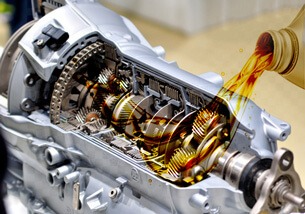
Why Gearbox Oil Is So Important
Gearbox oil lubricates, cools, and protects the moving parts inside the transmission. It ensures smooth gear changes, prevents metal-on-metal contact, and helps maintain the correct hydraulic pressure in automatic and semi-automatic systems.
When the oil level drops or becomes contaminated, friction and heat rapidly increase — accelerating wear and potentially destroying bearings, synchros, and seals.
Common Symptoms of Low Gearbox Oil
Recognising the early signs of low transmission oil can save you from an expensive gearbox rebuild.
1. Difficulty Shifting Gears
If you notice your gearstick feels stiff, notchy, or refuses to slot into gear smoothly, it’s a strong sign the gearbox oil is running low.
Why: Lack of lubrication increases friction between moving components, making gear changes harder.
More Common In: Manual and semi-automatic vehicles.
2. Grinding or Crunching Noise When Changing Gears
A harsh grinding or crunching sound during gear changes often points to inadequate lubrication inside the gearbox.
Why: Metal components rub directly against each other when oil is low.
Fix: Check and top up the gearbox oil immediately — continuing to drive could cause internal damage to gears and bearings.
3. Whining or Humming Noise in Neutral or While Driving
If your gearbox produces a whining or humming sound that gets louder with speed, the internal bearings may be running dry.
Why: Low oil levels fail to cushion the bearings, leading to metal wear and vibration.
Fix: Refill with the correct grade oil as per manufacturer specifications and have the gearbox inspected.
4. Burning Smell from the Transmission Area
A burnt odour from under the bonnet or near the gearbox area is a warning sign that oil is overheating or contaminated.
Why: Insufficient oil causes friction and heat build-up, burning what little oil remains.
Fix: Stop driving and have the gearbox inspected before components overheat or seize.
5. Gear Slipping (Automatic Transmissions)
When automatic transmission fluid (ATF) is low, gears may slip or fail to engage properly.
Why: The hydraulic pressure needed to shift gears cannot be maintained without sufficient fluid.
Symptoms: RPM increases without corresponding speed gain, or delayed shifts.
Fix: Check ATF level and condition — burnt or brown fluid should be replaced immediately.
6. Transmission Warning Light or Fault Codes
Modern vehicles are equipped with sensors that monitor transmission pressure and temperature.
If oil pressure drops or overheating is detected, the ECU will trigger a transmission warning light or store fault codes related to gearbox performance.
Fix: Have the vehicle scanned with a diagnostic tool to confirm low oil level or related pressure faults.
7. Fluid Leaks Under the Vehicle
Patches of reddish, amber, or dark brown oil beneath your car indicate a possible gearbox oil leak.
Common Leak Points:
- Driveshaft seals
- Gearbox sump gasket
- Selector shaft seal
- Output shaft or clutch actuator housing
Fix: Repair the source of the leak and refill with the correct oil. Neglecting leaks will eventually cause low oil level and gearbox failure.
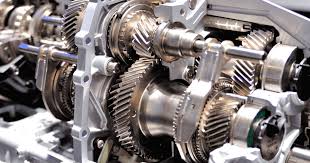
How to Check Gearbox Oil Level
Depending on your vehicle type, checking gearbox oil can be straightforward or require a mechanic’s help.
- Manual Gearbox: Usually checked via a filler plug on the side of the gearbox. The oil should be level with the bottom of the hole.
- Automatic Gearbox: Many vehicles have a dipstick under the bonnet — check while the engine is warm and running in Park.
- Semi-Automatic/DSG: Often require diagnostic tools to measure fluid temperature and pressure accurately during inspection.
Always use the manufacturer-approved oil type and viscosity, as incorrect fluid can cause shifting issues or internal damage.
What Happens If You Drive With Low Gearbox Oil
Driving with low gearbox oil causes:
- Accelerated wear on gears and bearings
- Overheating and oil burning
- Synchroniser damage (manual gearboxes)
- Pressure loss and slipping (automatic gearboxes)
- Total gearbox failure if continued
Even a short drive on low oil can cause irreversible internal scoring or gear wear — leading to costly rebuilds.
Typical Gearbox Oil Service Costs in the UK
| Service Type | Average Cost (incl. VAT) | Notes |
| Manual Gearbox Oil Change | £60 – £120 | Quick service, includes new oil |
| Automatic Transmission Fluid Change | £120 – £250 | May require flushing |
| DSG / Dual-Clutch Fluid & Filter Service | £180 – £300 | Includes filter replacement |
| Leak Repair & Oil Refill | £100 – £250 | Depends on seal or gasket damage |
Preventing Gearbox Damage
- Check gearbox oil during every major service (or every 24,000–36,000 miles).
- Watch for early signs like stiffness, noise, or leaks.
- Use only the correct oil grade — even slight variations can affect performance.
- Fix leaks promptly to avoid pressure loss.
When to Seek Professional Help
If you suspect your gearbox oil is low — especially if accompanied by grinding noises, gear slipping, or warning lights — get it checked immediately by professionals.
At Sinspeed, we specialise in transmission and gearbox component repairs including clutch actuators, mechatronic units, and hydraulic systems. Our technicians can diagnose oil-related gearbox faults, repair leaks, and restore performance to OEM standards.
Summary
Low gearbox oil can cause anything from mild gear stiffness to total gearbox failure if ignored.
Watch for warning signs early — grinding, whining, leaks, or slipping — and act quickly.
With regular servicing and proper maintenance, you can prevent costly gearbox rebuilds and keep your car running smoothly for years.