
Summary: An illuminated ABS warning light is an automatic MOT failure for any UK vehicle first registered after July 2003. The DVSA classes it as a Major defect – even if normal braking feels fine – because the anti-lock function is legally required and the system must self-test correctly at ignition.
The light usually triggers from faulty wheel-speed sensors, wiring issues, low fluid, or internal faults inside the ABS pump/module itself. Since 2007 Sinspeed has remanufactured thousands of these exact ABS units that garages remove when the orange light refuses to go out. Most are fully repairable – we upgrade known weak components, test on vehicle-specific rigs, and return them plug-and-play with an unlimited-mileage lifetime warranty.
This guide explains exactly why the ABS light causes an MOT fail, what the tester checks, and the typical repair costs and turnaround times. If your ABS light is on (or you just want it fixed before test day), send your pump/module to the UK’s largest specialist ABS remanufacturer – explore our ABS repair services and get back on the road MOT-ready in 2–3 days.
If your ABS warning light is showing on your dashboard, you’re right to be concerned — especially if your MOT test is coming up. While your car may feel fine to drive, an illuminated ABS light is more than just a minor nuisance. It can directly affect your MOT result and, more importantly, your safety.
Let’s explore exactly what the ABS light means, how it affects your MOT, and what you can do to fix it before test day.
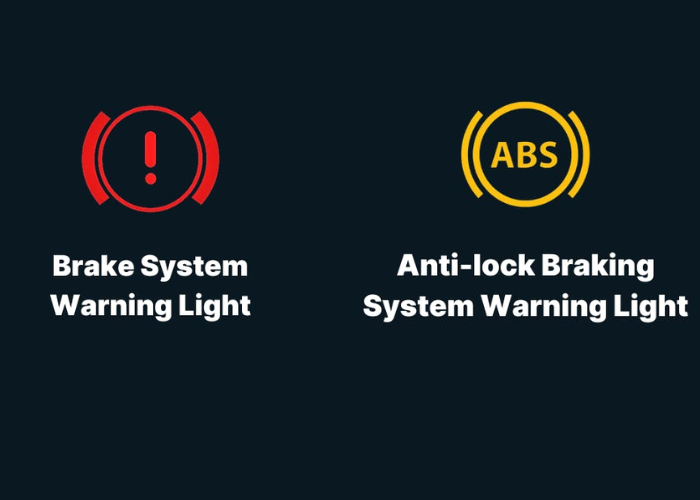
What Is ABS (Anti-Lock Braking System)?
The Anti-Lock Braking System (ABS) is one of your car’s key safety features. It prevents the wheels from locking up during hard braking, allowing you to maintain steering control and stop safely, even on slippery roads.
Here’s how it works:
When you brake suddenly, ABS sensors detect if a wheel is about to lock. The system rapidly applies and releases brake pressure — up to 15 times per second — to keep the wheel rotating just enough to maintain traction.
ABS became mandatory on all new UK vehicles in 2004, so any car registered after that date must have a fully functional system to be road-legal.
Why Does the ABS Light Come On?
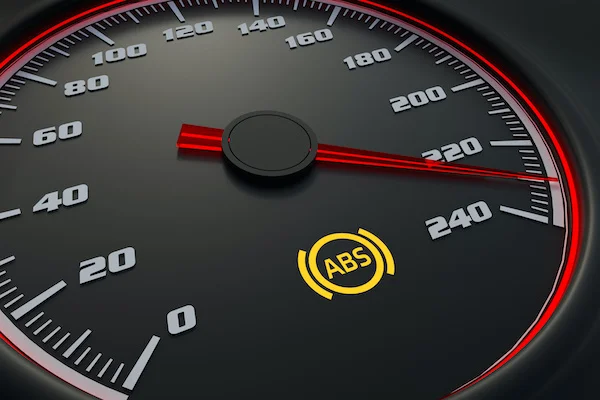
When you first start your car, the ABS light briefly illuminates as part of a system self-check. If it stays on, flashes intermittently, or appears while driving, it means there’s a problem within the system.
Common causes include:
- Faulty wheel speed sensor – These sensors monitor wheel rotation. If one fails, ABS is disabled.
- Low brake fluid – Insufficient fluid pressure can prevent ABS from working properly.
- ABS control module fault – Electrical or corrosion issues in the module can trigger a warning.
- Damaged wiring or connectors – Broken or corroded wires can interrupt sensor signals.
- Hydraulic pump failure – The pump that maintains braking pressure may be worn or faulty.
In most cases, when a fault is detected, the ABS system disables itself for safety reasons, leaving you with normal braking — but without anti-lock protection.
Will an ABS Light Cause an MOT Fail?
✅ Yes – an illuminated ABS warning light is a Major defect and will fail your MOT.
According to DVSA MOT inspection rules, any safety system fitted as standard that’s not working correctly will result in a fail. For vehicles first used on or after 1 July 2003, ABS is mandatory, and the warning light must show that the system is operating properly.
If the light:
- Does not come on at ignition, or
- Stays illuminated after the self-check,
… your car will fail its MOT under the braking system category.
It doesn’t matter if the car drives or brakes normally — MOT testers aren’t assessing performance, only the functionality of required safety systems.
Can Older Vehicles Pass with ABS Light On?
If your car was manufactured before ABS became a legal requirement (before 2004), it won’t automatically fail for not having an operational ABS system — because it wasn’t originally fitted.
However, if your car does have ABS fitted, even if it’s optional for that model year, it must work correctly. If it’s fitted but faulty, it still counts as a fail.
Common Fixes for ABS Warning Lights
The fix depends on the fault. A quick diagnostic scan will reveal the exact cause, but here are the most common repair options:
| Fault | Typical Solution | Estimated Cost (Excl. VAT) | Repair Time |
| Low Brake Fluid | Top-up & leak inspection | £40 – £70 | Same day |
| Faulty Wheel Speed Sensor | Replace sensor | £90 – £150 | 1–2 days |
| ABS Pump / Module Fault | Repair or rebuild | £150 – £350 | 2–3 days |
| Wiring or Connector Damage | Repair or replace harness | £70 – £120 | 1–2 days |
| System Software Error | Diagnostic reset or update | £45 – £80 | Same day |
(Nationwide average costs. Sinspeed provides mail-order ABS unit repair services with lifetime warranty.)
Can You Drive with the ABS Light On?
You can still drive your car with the ABS light on — but you shouldn’t ignore it.
Without ABS, your braking performance is reduced in emergencies, and your wheels can lock up on wet or uneven surfaces. While you still have standard braking, you lose the safety net that ABS provides.
If both your ABS and brake warning lights are illuminated together, stop driving immediately — this indicates a serious hydraulic issue.
How to Avoid MOT Failure
Here’s how to make sure your car passes the MOT without any ABS-related surprises:
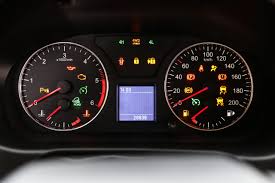
- Check dashboard lights – Turn the ignition to ‘on’ (engine off). All warning lights should briefly appear, then switch off.
- Monitor brake fluid – Keep it topped up to the correct level.
- Inspect sensors and wiring – Dirt, corrosion, or damage can cause false signals.
- Book a diagnostic test early – Don’t wait for test day. Fault codes can pinpoint the issue quickly.
- Repair professionally – DIY resets don’t fix the root cause. A faulty ABS module may require specialist repair.
Why You Shouldn’t Ignore It
Ignoring the ABS light won’t just fail your MOT — it can also:
- Reduce braking stability in emergencies
- Increase stopping distances
- Lead to further electrical damage in the braking system
- Void your insurance if the system is known to be faulty in an accident
It’s always cheaper to fix an ABS issue early than to risk a full module replacement or an MOT retest fee later.
Expert ABS Repairs from Sinspeed
At Sinspeed, we specialise in repairing and rebuilding ABS control modules and hydraulic pumps for all makes and models. Whether you’re a vehicle repairer sending parts on behalf of a customer or a private owner preparing for your MOT, we make the process simple.
- Nationwide mail-in ABS repair service
- Lifetime warranty on repaired units
- Quick turnaround (2–3 working days)
- Fully tested and returned ready to refit
➡️ Send your part now → to get your ABS unit repaired and avoid MOT failure.
➡️ Learn more about Our ABS Repair Services for detailed repair coverage, pricing, and process information.
In summary:
If your ABS light is on, your car will fail its MOT. But with the right diagnostics and professional repair, it’s a quick and affordable fix. Don’t let a dashboard light stand between you and a valid MOT certificate — get your ABS system checked and repaired with Sinspeed’s trusted nationwide service.