
Modern vehicles rely more than ever on electronics. From your engine control unit (ECU) and transmission module to ABS, steering, and airbag systems — these intelligent components act as your car’s “brains,” constantly communicating to ensure every system works in harmony.

Yet, beneath the bonnet and under the chassis, these delicate modules face harsh conditions daily. Three of the most common — and destructive — forces that slowly wear them down are heat, moisture, and vibration. They’re often invisible and gradual, which is why we call them the silent killers of vehicle electronics.
If you’re driving in or around Manchester, understanding these hidden threats is essential. The city’s damp climate, busy traffic, and variable weather make your car’s electronics even more vulnerable.
Let’s explore how these factors damage your car’s electronic systems — and what you can do to protect them.
1. Heat — The Invisible Enemy
How Heat Affects Vehicle Electronics
Electronic modules are built from several different materials layered together, all of which expand and contract at different rates when heated. Over time that mismatch fatigues the board and its internal connections until something loses contact.
Excessive heat can cause:
- Thermal expansion that loosens connections and causes intermittent faults.
- Component aging, electronics that degrade with heat and time.
- Performance drop-offs, where ECUs throttle performance to avoid overheating.
- Thermal runaway, where components draw more current as they get hotter, eventually burning out.
Even in a temperate place like Manchester, your vehicle’s engine bay can easily exceed 100°C — especially in slow traffic or on summer days. Over time, that heat gradually breaks down the insulation and coatings meant to protect your vehicle’s modules.
Common Signs of Heat Damage
- Random dashboard warning lights.
- Intermittent electrical faults that disappear once the car cools down.
- Modules that feel unusually warm to the touch after short drives.
- Persistent “limp mode” even after resets.
How to Prevent Heat Damage
- Make sure engine cooling fans and ventilation ducts are working properly.
- Keep modules clear of direct heat sources like exhaust manifolds or turbochargers.
- Schedule periodic inspections — especially before summer months.
- Don’t ignore error codes related to temperature sensors or cooling performance.
2. Moisture — The Corrosive Threat
How Moisture Enters Your Vehicle’s Electronics
Moisture can infiltrate in several ways — humidity, condensation, rainwater, road spray, or even washing your car. Once it seeps into a module, it can:
- Corrode connector pins and internal connections, creating resistance or open circuits.
- Cause short circuits if water bridges two conductive paths.
- Accelerate oxidation, leading to brittle or unreliable connections.
- Compromise seals and coatings, especially in older or repaired modules.
Manchester’s wet, unpredictable weather makes this a particular concern. Between the rain, humidity, and salty winter roads, your car’s underbody and wheel wells are constantly exposed to moisture. Modules located low down — such as ABS units or sensors mounted near the chassis — are especially at risk.
Warning Signs of Moisture Damage
- Dashboard error lights that appear after heavy rain.
- Electrical issues that seem to come and go.
- Corroded connectors or visible green/white residue.
- Burning or musty smell near electronic housings.
How to Protect Against Moisture
- Ensure all rubber seals and gaskets around modules and connectors are intact.
- Use dielectric grease on electrical connectors to repel water.
- Avoid pressure washing directly into the engine bay.
- Park in covered or sheltered areas during heavy rainfall when possible.
- Have your underbody inspected regularly for cracks or openings.
Even small amounts of condensation can wreak havoc if left unchecked. Drying out modules quickly after exposure can sometimes save them before corrosion sets in.
3. Vibration — The Slow Structural Destroyer
How Vibration Affects Your Car’s Electronics
Every time you drive, your vehicle vibrates — from engine movement, bumpy roads, and wheel imbalance. These constant micro-movements gradually weaken the module’s internal connections, its connectors, and wire insulation.
In Manchester, where potholes and uneven road surfaces are common, vibration damage can accumulate faster than many drivers realise.
Long-term vibration can lead to:
- Fatigued internal connections inside ECUs or control modules.
- Loose connectors causing intermittent faults.
- Wire fatigue, especially where harnesses bend repeatedly.
- Damaged mounting brackets that allow more shock to reach electronics.
Symptoms of Vibration Damage
- Faults that appear or disappear while driving over bumps.
- Flickering lights or displays.
- Communication errors between modules (CAN bus issues).
- Persistent “No communication” codes during diagnostics.
Preventing Vibration Damage
- Ensure all mounting brackets and clips are secure.
- Use vibration-damping pads or rubber grommets when possible.
- Check suspension components regularly; worn shocks increase vibration levels.
- Avoid driving aggressively over rough roads or potholes.
Sometimes, simply remounting a module on a secure, cushioned base can prevent long-term damage.
4. The Deadly Combination: Heat, Moisture & Vibration
These three elements rarely act alone. They often work together, compounding their effects:
- Heat expands components, opening tiny gaps that allow moisture to enter.
- Moisture corrodes internal joints weakened by vibration.
- Vibration shakes loose protective seals or damages thermal coatings.
This combination accelerates failure dramatically. A module that might otherwise last 10 years can degrade in half the time if exposed to all three factors.
Manchester’s conditions — alternating rain and sun, wet roads, and city traffic — make this trio especially potent. It’s not uncommon for vehicle owners in the area to experience electrical faults without an obvious cause, only to find corrosion and accumulated heat and vibration damage inside the module.
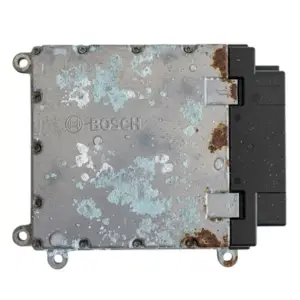
5. Common Electronic Components at Risk
Here are the systems most vulnerable to these silent killers:
- ECU (Engine Control Unit) – Controls ignition, fuel mixture, and emissions. Heat and vibration are its biggest enemies.
- ABS / ESP Modules – Positioned low in the engine bay, these are constantly exposed to road spray and moisture.
- Transmission Control Units (TCU) – Often mounted close to heat sources, suffering both thermal and vibrational stress.
- Instrument Clusters – Sensitive to temperature changes and condensation, especially after long periods of non-use.
- Airbag Control Modules – Located centrally but prone to vibration if mounting brackets are loose.
- Body Control Modules (BCM) – Exposed to moisture ingress via doors, seals, and wiring harnesses.
6. How to Recognise Early Warning Signs
Ignoring small symptoms is one of the main reasons small issues turn into costly repairs. Look out for these indicators:
- Intermittent warning lights that vanish and return.
- Random resets of the radio, dashboard, or sensors.
- Unexplained stalling or power loss.
- Poor idling or inconsistent throttle response.
- Electrical features (like wipers or indicators) behaving erratically.
- Clicking noises, buzzing relays, or burnt smells from the fuse area.
When any of these signs appear, it’s wise to have a diagnostic scan done before permanent damage occurs.
7. Diagnosing & Repairing Electronic Damage
Professional Diagnosis
A full diagnostic test can identify whether an issue originates from wiring, sensors, or the module itself. Specialists can bench-test modules to simulate heat and vibration, allowing them to locate internal faults. Check out some of the common failing units that we repair.
Repair vs Replacement
In many cases, repairing a damaged module is more affordable than replacing it. Skilled technicians can:
- Repair the circuit board at component level.
- Clean corrosion and reseal enclosures.
- Replace burned or degraded components.
- Reinforce vibration-prone areas.
Refurbished modules often perform like new once repaired — and proper sealing or damping can prevent repeat issues.
Preventive Maintenance Schedule for Manchester Drivers
- Every 6 months: Visual check of wiring, connectors, and seals.
- Annually: Diagnostic scan for hidden fault codes.
- Before winter: Inspect for corrosion and reapply protective coatings.
- Before summer: Check cooling system efficiency and clean ventilation ducts.
8. Real-World Example
Consider a driver in central Manchester whose car begins displaying ABS and traction control warnings after weeks of rainy weather. At first, the issue disappears intermittently. Eventually, the dashboard lights stay on permanently.
When inspected, the ABS control unit is found corroded from water ingress, with vibration damage from worn suspension mounts on top of it. A professional repair restores full function — and installing a new gasket along with vibration-damping pads prevents recurrence.
This scenario is incredibly common — small environmental stresses that, when ignored, cause major electronic faults.
9. Why This Matters for Manchester Drivers
Manchester’s conditions are uniquely challenging for vehicle electronics:
- Frequent rain and humidity encourage moisture ingress.
- Urban traffic leads to constant stop-start heating cycles.
- Older road surfaces and occasional potholes amplify vibration.
Even if you maintain your car regularly, these environmental stresses work quietly over time. The best strategy is prevention — regular inspections, protective maintenance, and swift response to any electrical warning signs.

10. Final Thoughts
Vehicle electronics are marvels of modern engineering — precise, intelligent, and reliable when treated well. But they’re also sensitive. Heat, moisture, and vibration are ever-present threats that slowly attack from within.
By understanding these silent killers, you can act early, prevent costly repairs, and keep your car running smoothly.
For Manchester drivers, awareness is especially important. With its variable climate and dense traffic, the city puts added pressure on your vehicle’s electronics. Regular checks, proper sealing, and timely diagnostics are your best defence.
Remember: a small electrical fault today could be your car’s cry for help before a larger failure tomorrow.
Take care of your car’s “brains,” and they’ll take care of you — mile after mile, through every Manchester season.