
Your turbocharger is designed to deliver a precise amount of boost pressure — just enough to improve performance without overstressing the engine. But when that balance is disturbed, you may experience overboost or underboost, both of which can lead to serious damage if left unchecked.
In this guide, we’ll explain what overboost and underboost mean, their causes, warning signs, and how to fix them.
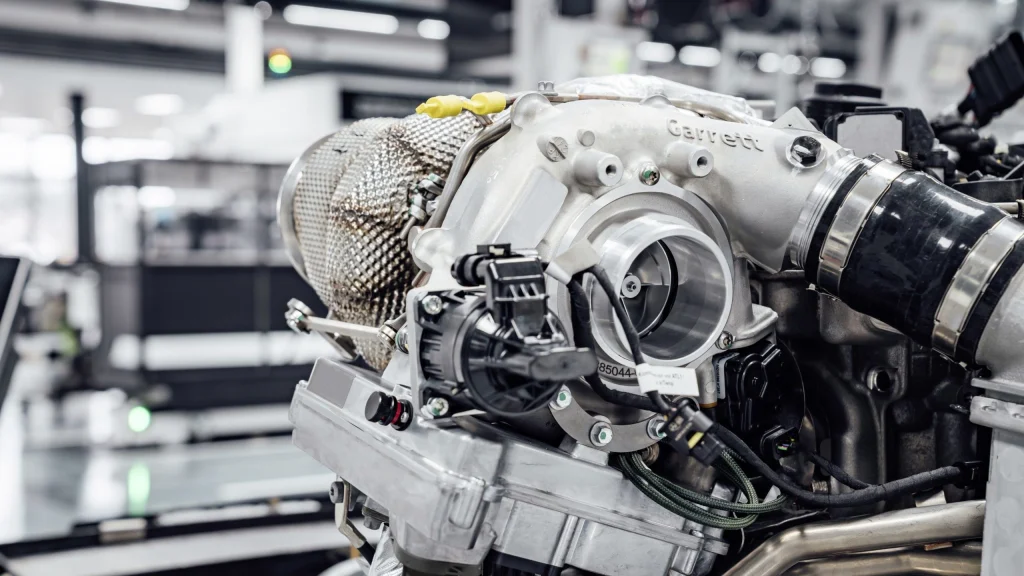
What Is Turbo Overboost?
Overboost occurs when your turbocharger produces more boost pressure than the ECU (engine control unit) expects or allows.
In short, the turbo is pushing too much air into the engine — which can cause knocking, high exhaust temperatures, and engine strain.
Common symptoms of turbo overboost:
- Sudden surge in power or “boost spike”
- Engine warning light (often P0234 code)
- Black smoke from exhaust
- Detonation or “pinging” noises under acceleration
- Limp mode activation
If ignored, overboost can cause head gasket failure, piston damage, or turbo failure itself.
What Causes Turbo Overboost?
There are several mechanical or electronic issues that can cause your turbo to overboost:
- Faulty Wastegate or Actuator
The wastegate controls excess exhaust gas pressure. If it sticks closed, the turbo continues to spool beyond safe limits. - Boost Control Solenoid Malfunction
A failed boost control solenoid or vacuum leak can prevent proper wastegate regulation. - ECU Mapping or Tuning Errors
Poor remaps or aftermarket tunes can raise boost pressure beyond safe manufacturer limits. - Blocked or Restricted Exhaust
Blocked catalytic converters or DPFs can increase back pressure and affect boost control. - Faulty Pressure Sensors
Inaccurate readings from boost sensors or MAP sensors can cause incorrect ECU regulation.
What Is Turbo Underboost?
Underboost is the opposite problem — when the turbocharger fails to generate enough boost pressure.
This results in loss of power, poor acceleration, and higher fuel consumption.
Common symptoms of turbo underboost:
- Noticeable power loss
- Slow acceleration
- Engine warning light (P0299 fault code)
- Whistling or whining from the turbo
- Black or grey smoke under load
What Causes Turbo Underboost?
- Boost Leaks
Cracked intercooler hoses, damaged clamps, or split vacuum lines can leak compressed air before it reaches the engine. - Faulty Turbo Actuator
The actuator regulates boost levels. A weak or stuck actuator may prevent the turbo from building enough pressure. - Worn Turbocharger Components
Worn bearings, damaged turbine wheels, or carbon build-up can limit turbo efficiency. - Clogged Air or Fuel Filters
Restricted airflow or fuel supply reduces overall engine performance, affecting boost generation. - Wastegate Stuck Open
When the wastegate fails in the open position, exhaust gases bypass the turbo, resulting in low boost. - ECU or Sensor Faults
Incorrect readings from the MAF, MAP, or boost pressure sensor can cause the ECU to limit boost output.
Diagnosing Turbo Boost Issues
Diagnosing boost faults involves a step-by-step inspection:
- Scan for Error Codes
Use an OBD2 diagnostic tool to check for P0234 (overboost) or P0299 (underboost) codes. - Inspect Vacuum Lines and Hoses
Look for splits, cracks, or loose fittings on intercooler and vacuum hoses. - Check Wastegate and Actuator Operation
Verify the actuator moves freely and the wastegate opens and closes properly. - Test Boost Control Solenoid
Ensure it’s sending correct pressure signals to the wastegate. - Monitor Live Boost Data
Compare actual boost vs. target boost readings using diagnostic software. - Inspect Turbocharger Internals
Look for excessive shaft play, oil leaks, or damaged compressor blades.
Turbo Boost Faults – Repair Options
Depending on the cause, repairs can range from simple fixes to full turbo rebuilds:
| Problem | Likely Fix | Typical Cost (UK) |
| Boost leak or split hose | Replace hose/clamps | £50 – £150 |
| Faulty actuator | Replace or refurbish actuator | £150 – £650 |
| Wastegate fault | Repair or rebuild turbo | £250 – £600 |
| Faulty solenoid | Replace solenoid valve | £100 – £200 |
| Sensor fault | Replace MAP/MAF sensor | £80 – £180 |
| Worn turbocharger | Full turbo rebuild or replacement | £185 – £900 |
Preventing Overboost & Underboost
To prevent turbo faults:
- Service your vehicle regularly and use high-quality oil and filters.
- Avoid aggressive remaps without proper tuning and monitoring.
- Allow your engine to warm up before driving hard and cool down after high-speed runs.
- Check hoses, clamps, and vacuum lines during routine servicing.
Regular inspection of the turbo actuator and boost control system can save you from expensive repairs later.
Professional Turbo Diagnosis & Repair
At Sinspeed, we specialise in diagnosing and repairing turbo overboost and underboost faults for all makes and models.
Our services include:
✅ Turbo actuator repairs & recalibration
✅ Boost leak detection & testing
✅ Turbocharger rebuilds with lifetime warranty
✅ Nationwide collection & delivery
Final Thoughts
Both turbo overboost and underboost indicate your boost control system isn’t functioning properly — and ignoring either can lead to expensive damage.
If you’re noticing reduced power, warning lights, or boost spikes, get your vehicle checked immediately. At Sinspeed, our experts can restore your turbo system’s balance, improve reliability, and get your car performing like new again.