
A clutch actuator is a vital component in vehicles equipped with automated manual or semi-automatic transmissions. It controls the clutch’s engagement and disengagement electronically, removing the need for a traditional clutch pedal. When the actuator starts to fail, you may experience issues with gear changes, loss of power, or warning lights appearing on the dashboard. Understanding the symptoms early can help you avoid costly repairs or complete transmission failure.
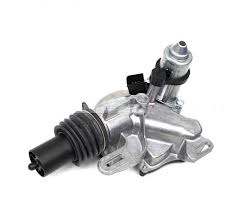
What Is a Clutch Actuator?
A clutch actuator is an electronically controlled unit that engages and disengages the clutch using hydraulic or electric mechanisms. It communicates with the vehicle’s transmission control module (TCM) to ensure smooth gear changes and optimal performance — which is why an actuator fault and a control-module fault can feel almost identical from the driver’s seat, and why both are worth testing before either is replaced.
Depending on the vehicle make and model, the actuator can be hydraulic (using fluid pressure to move the clutch) or electric (using an electric motor for precision control). Both are designed to automate the clutch operation for smoother driving, particularly in stop-start traffic or dual-clutch systems.
Common Causes of Clutch Actuator Faults
Over time, clutch actuators can fail due to electrical, hydraulic, or mechanical wear. Common causes include:
- Electrical faults: Damaged wiring, faulty sensors, or poor connections can interrupt signals between the actuator and TCM.
- Hydraulic leaks: In hydraulic systems, fluid loss can cause insufficient pressure, preventing full clutch engagement.
- Contamination: Dirt, debris, or worn clutch dust entering the actuator can cause sticking or irregular movement.
- Wear and tear: Constant operation leads to mechanical wear of internal gears or the actuator motor itself.
- Software issues: Some faults can result from outdated or corrupted transmission software that miscommunicates with the actuator.
Symptoms of a Faulty Clutch Actuator
When the clutch actuator begins to fail, several warning signs typically appear. Recognising these symptoms early can prevent major transmission damage.
1. Difficulty Engaging or Shifting Gears
A delay or hesitation when shifting into gear—especially reverse—is one of the earliest indicators. You may also feel jerking or lurching during gear changes, suggesting the actuator is not engaging the clutch smoothly.
2. Loss of Power or Acceleration Issues
A malfunctioning actuator can cause the clutch to slip, resulting in reduced power transmission from the engine to the wheels. You might notice sluggish acceleration, especially when pulling away from a stop.
3. Warning Lights on Dashboard
When the actuator malfunctions, the check engine light or transmission warning light may appear. A diagnostic scan often reveals specific error codes such as “clutch actuator circuit low” or “actuator performance fault.”
4. Unusual Noises
Grinding, clicking, or humming noises during gear changes may indicate mechanical wear within the actuator or related components.
5. Vehicle Stalling or Jerking Movements
An inconsistent clutch engagement can cause jerking during take-off or even sudden stalling. This typically happens when the actuator struggles to regulate clutch pressure accurately.
6. Burning Smell
Prolonged clutch slip or partial engagement generates excess heat, often producing a noticeable burning odour from the gearbox area.
Diagnosing Clutch Actuator Problems
Proper diagnosis is essential before replacing or repairing a clutch actuator. Professional diagnostic tools are used to identify the fault precisely. The process usually includes:
- Checking for fault codes using an OBD-II scanner.
- Inspecting electrical connections for corrosion, damaged wires, or loose plugs.
- Testing the hydraulic system (for hydraulic actuators) for leaks or air in the system.
- Measuring actuator response times and clutch travel to verify mechanical operation.
- Evaluating TCM software updates to rule out programming-related issues.
If a fault is confirmed, it’s vital to repair or replace the actuator promptly to prevent additional transmission damage.
Can a Clutch Actuator Be Repaired?
Yes, in many cases, a faulty clutch actuator can be professionally repaired rather than replaced. Repairing is often far more cost-effective and avoids the high expense of purchasing a new unit.
At Sinspeed, we specialise in testing, diagnosing, and repairing clutch actuators for a wide range of vehicle makes and models. Our service includes:
- Complete electronic and mechanical inspection
- Replacement of worn or damaged components
- Full recalibration and testing on specialist equipment
- Lifetime warranty on repaired units
Typical Cost of Clutch Actuator Repair in the UK
| Service Type | Average Cost (incl. VAT) | Turnaround Time | Warranty |
| Clutch Actuator Repair (Mail-in) | £150 – £350 | 2–3 working days | Lifetime warranty |
| New Clutch Actuator Replacement | £700 – £1,200+ | 1–2 days (parts dependent) | 12-month manufacturer warranty |
| Diagnostic & Testing | £50 – £90 | Same day | — |
Prices are approximate and may vary based on vehicle make, model, and actuator type.
Preventing Clutch Actuator Problems
Preventive care helps extend the lifespan of your clutch actuator. Here’s how you can minimise the risk of future faults:
- Keep transmission software updated during servicing.
- Avoid aggressive acceleration or hard gear changes.
- Regularly inspect wiring and connectors for corrosion.
- Address clutch slipping or jerking early before it worsens.
- Maintain the correct fluid level in vehicles with hydraulic actuators.
When to Seek Professional Help
If you experience warning lights, gear engagement issues, or any of the symptoms mentioned, it’s essential to have your vehicle inspected immediately. Driving with a faulty clutch actuator can cause permanent transmission damage.
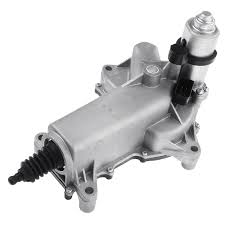
Sinspeed offers a nationwide repair service — simply remove the actuator, send it to us along with our booking form, and we’ll handle the rest. Once repaired, your unit is returned fully rebuilt and covered by our lifetime warranty for complete peace of mind.
Summary
A failing clutch actuator can lead to poor gear engagement, reduced performance, and potentially expensive repairs if left untreated. Identifying early symptoms—such as gear delays, warning lights, or unusual noises—can help you act before the problem escalates.
Instead of replacing the entire unit, professional repair offers a fast and cost-effective solution with long-term reliability.
Frequently Asked Questions
What is a clutch actuator?
A clutch actuator is an electronically controlled unit that engages and disengages the clutch — using hydraulic fluid pressure or an electric motor — in vehicles with automated manual or semi-automatic transmissions. It communicates with the transmission control module (TCM) to manage gear changes, removing the need for a traditional clutch pedal.
What are the symptoms of a failing clutch actuator?
A failing clutch actuator usually shows itself in how the car shifts and pulls away. The most common warning signs are:
- Difficulty or hesitation engaging gears — especially reverse — often with jerking or lurching during gear changes.
- Loss of power, clutch slip or sluggish acceleration, particularly when pulling away from a stop.
- A check-engine or transmission warning light on the dashboard.
- Grinding, clicking or humming noises during gear changes.
- Jerking on take-off, or the vehicle stalling, when clutch pressure is poorly regulated.
- A burning smell from the gearbox area caused by prolonged clutch slip.
What causes a clutch actuator to fail?
Clutch actuators typically fail through electrical, hydraulic or mechanical wear. Common causes are electrical faults such as damaged wiring, faulty sensors or poor connections; hydraulic leaks that drop the pressure needed to engage the clutch fully; contamination from dirt, debris or clutch dust; mechanical wear of the internal gears or actuator motor; and outdated or corrupted transmission software.
How is a clutch actuator fault diagnosed?
Diagnosis starts with an OBD-II fault-code scan, which often flags codes such as “clutch actuator circuit low” or “actuator performance fault”. From there a technician inspects the electrical connections for corrosion or loose plugs, tests the hydraulic system for leaks or trapped air, measures actuator response and clutch travel, and checks the TCM software for programming issues.
Can a clutch actuator be repaired?
Yes. In many cases a faulty clutch actuator can be professionally repaired rather than replaced. At Sinspeed we test, diagnose and repair the unit — a full electronic and mechanical inspection, replacement of worn or damaged components, then recalibration and testing on specialist equipment. The repaired actuator is returned ready to fit and covered by a lifetime warranty, so you keep your original unit.
Can you drive with a faulty clutch actuator?
It is not advisable. A faulty clutch actuator left unchecked can cause permanent transmission damage, and the gear-engagement problems it creates make the car unpredictable to drive. If you notice warning lights, jerking or difficulty selecting gears, have the vehicle inspected promptly rather than continuing to drive on it.