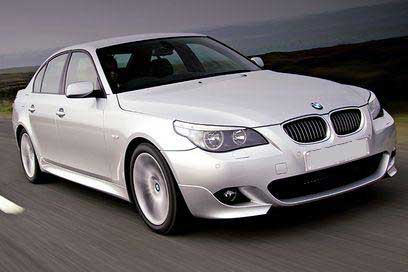
There are many factors which will cause the failure of the DPF on the BMW 5 series but a major flaw in its design is that its mounted midway down the exhaust system. The DPF requires extremely high temperatures to burn off soot particles (temperatures can reach in excess of 700 C) and therefore the further down the exhaust the filter is mounted, the lower the temperature of the exhaust gases are before they reach the filter. This means that a regeneration (reburn) of the filter will be harder to achieve & maintain.
The Volkswagen (VW) Crafter DPF is just as problematic as the Diesel Particulate Filters fitted to the Mazda (Denso Group) cars. We are currently the only company in the whole of Europe capable of removing the DPF filter from the VW Crafter with a 100% success rate.
Removing the Diesel Particulate Filter (DPF) from the Fiat 500 1.3 Diesel Multi-Jet is not something any tuner and company in the UK can currently accommodate, however, we have succeeded in the removal of the Fiat 500 DPF and are currently the only company in the UK able to offer this service successfully.
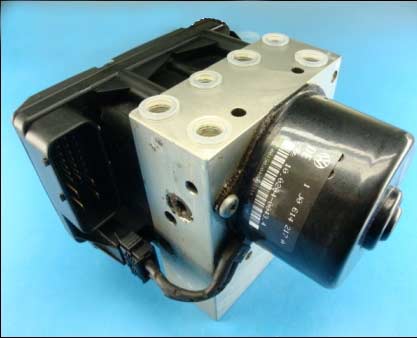
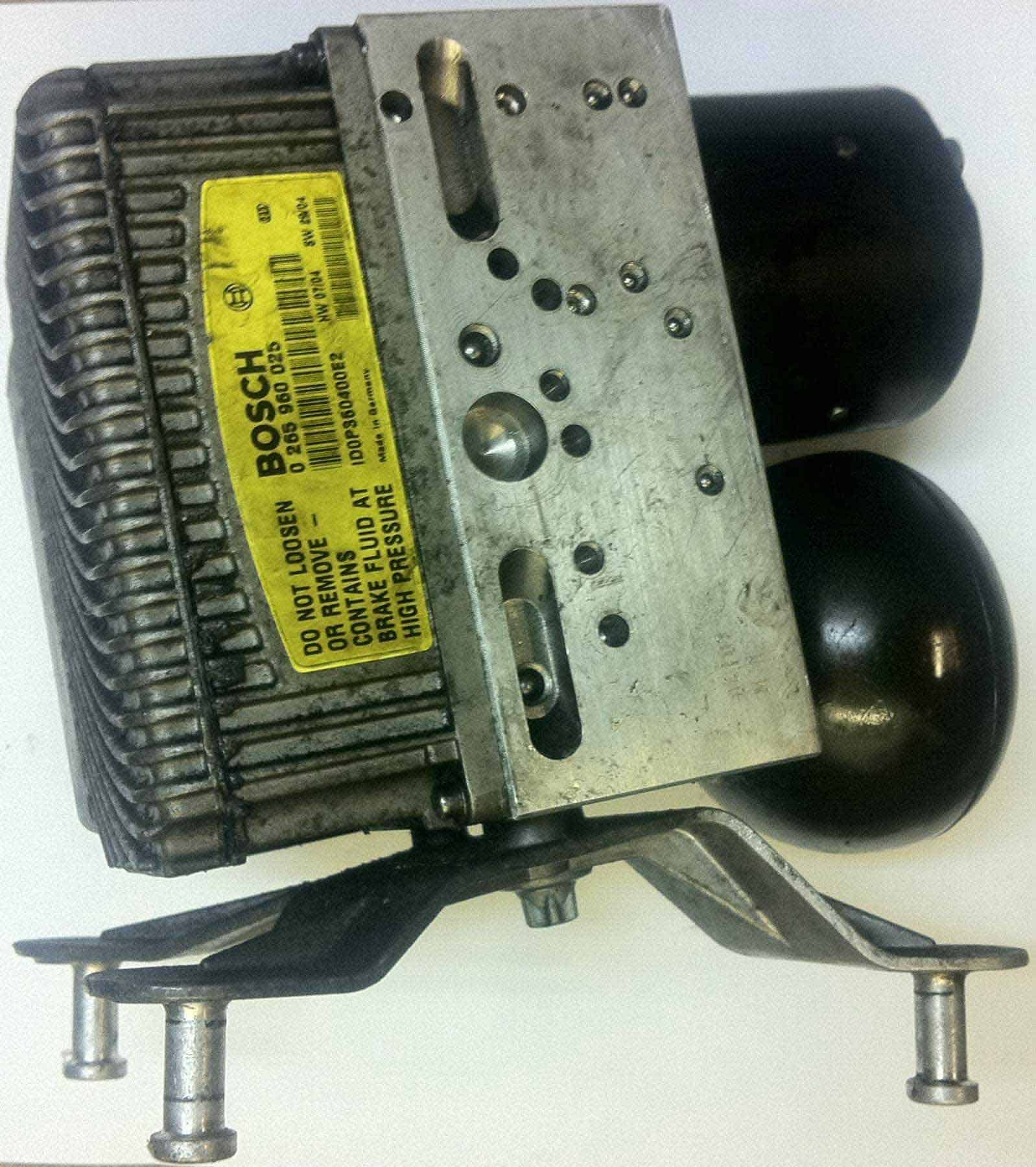
Sensotronic Brake Control (SBC) ABS Pumps commonly fitted to higher end Mercedes such as E-Class, SL & CL Class, CLS etc.. are failing on a daily basis with fault code C2498 “Service Threshold Reached” or “Life Expectancy Reached” and similar faults relating to the programmed-in expiration date.
Summary: A car that smokes after a DPF removal almost always points to a botched automated or “mobile” delete that left the interlinked ECU data half-edited — which is exactly what our manual ECU work and dedicated smoke-correction session put right.
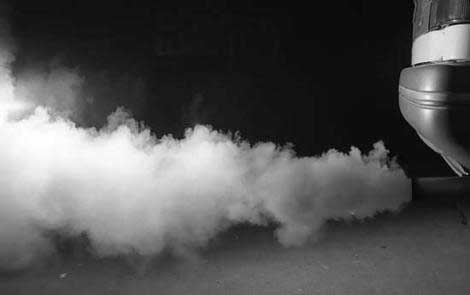
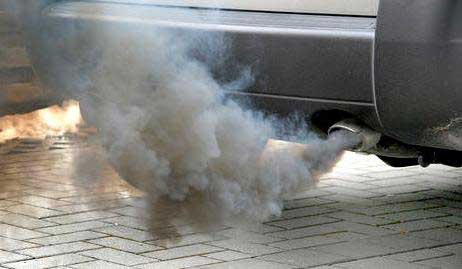
A diesel that smokes after a DPF removal is almost always telling you the same thing: the removal was finished badly. In most of the cases we see, the filter has been taken off and the engine ECU has then been edited with a generic, automated piece of software that could not fully unpick the DPF data. The car is now running on settings that no longer match what is physically on it — and it shows that as smoke.
The reason it comes out as smoke is that the DPF data is woven into how the engine meters fuel and reads its own exhaust. When part of that data is deleted clumsily, or left half-done, the fuelling falls out of step. The engine puts in more fuel than it can cleanly burn, and the surplus leaves the exhaust as the black or grey haze owners notice on start-up and under load. The same underlying error is usually what brings the warning lights and limp mode along with it.
So the smoke is not really a filter problem at all — it is a fuelling and coding problem left behind by a removal that stopped halfway. It is not cured by a stronger filter or a bottle of something poured into the tank. It is cured by going back into the ECU, editing the DPF data correctly and completely, and then bringing the fuelling back into line with a smoke-correction session. The rest of this page explains how a removal should be done so that it never smokes in the first place. If you want the background on what the filter actually does, our guide to what a DPF is and how it works covers it.
The problems a botched DPF removal leaves behind
A DPF removal is meant to draw a line under the soot-trap troubles — the regenerations that never finish, the warning lights, the repeated trips to have the filter forced clear or replaced. Done properly, on a vehicle it is appropriate for, it does exactly that. The horror stories we are sent come from removals carried out by other outfits, very often “mobile” operators working off a laptop on a driveway, where the job was never actually completed inside the ECU.
The symptoms that follow are remarkably consistent from car to car:
The DPF warning light returning, sometimes within days
The car dropping into limp mode (limp-home mode) and losing power
An ignition-coil warning light flashing
The traction-control warning light coming on
Excessive smoke from the exhaust
Turbo or engine trouble developing later
An MOT failure
These are not seven separate faults that happen to strike at once. They are what one underlying mistake looks like from different angles: an ECU left expecting a filter that is no longer fitted, or part-told the filter has gone and part-not. Some of these problems show up the moment the engine is restarted; others stay quiet for a while and surface weeks later. Either way, the cause sits in the data, which is where it has to be put right.
Why automated and mobile DPF removals go wrong
We are against mobile DPF removals, and the reason is the method they depend on. The only way to carry out a removal at the roadside is with automated software that reads through the engine ECU’s data and tries to strip out everything connected to the DPF within a set of pre-set parameters. It is quick and it is generic — and that is precisely the problem.
The DPF data is not a single, tidy block that can simply be lifted out. It is interlinked and deep-coded with other engine maps — fuel-rail pressure, exhaust-gas temperature, air/fuel ratio and several more besides. Editing those structures without understanding how they connect interferes with the sensors that rely on them, which corrupts data and throws errors almost as soon as the engine is started.
That leaves the automated software caught between two bad outcomes. Reach too far into the file and it disturbs the interlinked maps, so the faults appear immediately. Play it safe and it leaves part of the DPF data in place — and a half-removed filter strategy still drops the car into limp mode, still brings the DPF light back on, and still produces excessive smoke, which is what eventually leads to the MOT failure. Whichever way the software errs, the job is left unfinished, and the driver is the one who lives with it.
The Sinspeed approach: manual ECU work, no automated software
We do not touch automated DPF software. Every removal we carry out is done by reading the data out of the ECU and working through it by hand, which is the only way to deal properly with how interlinked the DPF code really is.
After downloading the data from your ECU, we manually scan through the thousands of data strings to locate every DPF-related structure, then edit each one deliberately so the ECU is told — correctly and completely — that there is no longer a filter on the vehicle for it to manage. Because each string is found and changed on its own terms, rather than swept up by a blanket script, the interlinked maps for fuel-rail pressure, exhaust-gas temperature and air/fuel ratio are kept consistent instead of corrupted. Nothing is left half-told and nothing important is disturbed by accident.
The result is an ECU that genuinely runs as it should without the filter, rather than one papered over by software that left half the work undone. It is the kind of bench-level control-unit work our in-house engineers do day to day — reading, reverse-engineering and rewriting ECU data — rather than a plug-in tool run blind at the roadside. That difference is the whole reason a Sinspeed removal does not come back with the same symptoms a fortnight later.
The smoke-correction session
Editing the DPF data out cleanly is only half the job. The other half is making sure the engine still runs cleanly once the filter’s influence on the fuelling is gone — and that is what the smoke-correction session is for. Every DPF removal we carry out includes one as standard.
Once the DPF data has been removed, we fine-tune the fuel system so the engine meters fuel correctly for running without a filter. The aim is straightforward: the engine should burn its fuel cleanly, produce no smoke, and leave no related errors logged behind it. It is a calibration step made in the fuelling itself, not an additive poured into the tank — the correction is in how the engine runs, not in what it is run on. This is the exact step the botched removals skip, and skipping it is why their cars smoke.
As far as we are aware, we are one of the only UK workshops that builds a dedicated smoke-correction session into every DPF removal as standard, rather than treating it as an optional extra or leaving it out altogether. We would rather a car left running properly than have it come back smoking — clean running is part of doing the job once and doing it right.
Is DPF removal legal? Off-road and motorsport only
It is worth being straight about the law, because there is a great deal of vague and misleading information about DPF removal online. Removing the filter in a workshop is not, in itself, the offence. Using a vehicle on the road with the DPF removed is.
A road car with its filter taken out no longer meets the emissions standard it was built to, and that is what the rules restrict. It is also an automatic MOT failure. Since February 2014, the MOT has included a visual check for the DPF, and testers have to confirm the filter is present on any vehicle originally fitted with one — so a road car with the DPF removed will fail its MOT on inspection. Using such a vehicle on the road can also carry a fine.
For that reason we offer DPF removal strictly for vehicles used off-road, for motorsport, or otherwise never driven on public roads. If your car is used on the road, removal is simply not the route. The answer there is DPF cleaning and repair, which clears the filter you already have, deals with why it blocked, and keeps the car road-legal and through its MOT. We will say which one applies to your vehicle honestly, and we will not present a removal as something it is not.
How our DPF removal and smoke-correction service works
Whichever route is right for your vehicle, it starts with your ECU data rather than guesswork. For a removal, we read the data, carry out the manual removal string by string, and then run the smoke-correction session before the vehicle goes back — so it runs cleanly, with no smoke and no leftover errors logged in the ECU.
To get started, tell us about your vehicle and how it is used through our repair form, or contact us if you would rather talk it through first — that tells us whether removal or cleaning is the right answer for it. And if a previous delete has already left a vehicle smoking or throwing faults, send us the details of what was done and what it is doing now, and we will tell you what it takes to put right.
FAQs
Why does a car smoke after DPF removal?
Because the removal was almost certainly left unfinished in the ECU. Automated or “mobile” delete software cannot fully unpick the DPF data, since it is interlinked with the maps that control fuel-rail pressure, exhaust-gas temperature and air/fuel ratio. When that data is part-deleted or left half-done, the fuelling falls out of step, the engine burns more fuel than it can cleanly combust, and the surplus shows as smoke. The fix is to edit the DPF data correctly by hand and then run a smoke-correction session to bring the fuelling back into line.
Can smoke after a DPF delete be fixed?
Yes. The smoke is a fuelling-and-coding problem, not damage, so it is correctable. We do it through the smoke-correction session — fine-tuning the fuel system, once the DPF data has been removed properly, so the engine meters fuel correctly, burns cleanly and runs without smoke or logged errors. It is a calibration of how the engine runs, which is why it actually clears the smoke rather than masking it.
Is DPF removal legal in the UK?
Removing the filter is not in itself the offence — using a DPF-removed vehicle on the road is. A road car without its filter no longer meets the emissions standard it was built to, it is an automatic MOT failure (since February 2014 the MOT has included a visual check for the DPF), and using it on the road can carry a fine.
What is the difference between a manual and an automated DPF delete?
An automated delete uses generic software to strip out DPF data within pre-set parameters. Because that data is interlinked and deep-coded with other engine maps, the software either reaches too far and corrupts the sensors that depend on it, or plays safe and leaves part of the DPF strategy in place — and both leave faults and smoke behind. A manual delete means every DPF data string is located and edited by hand, so the ECU is told completely and correctly that there is no filter, while the interlinked fuel and exhaust maps are kept consistent. That is the difference between a car that runs cleanly afterwards and one that does not.
Final thoughts
Smoke after a DPF removal is almost never the filter’s fault and almost always the removal’s. A diesel will run perfectly cleanly without its DPF — but only if the ECU has been edited correctly and the fuelling brought back into line, which is the whole point of doing the data work by hand and finishing with a smoke-correction session rather than trusting a generic tool to get it right. If a previous delete has left your vehicle smoking, throwing warning lights or dropping into limp mode, send us the details and we will tell you exactly what it needs.
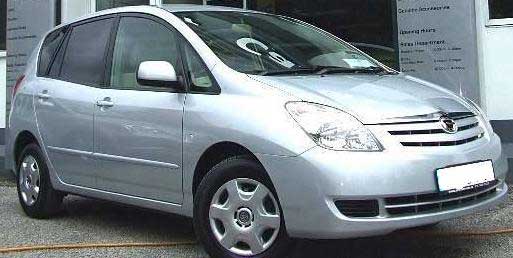
Toyota T180 Diesel Particulate Filter (DPF) can now be removed. Sinspeed is the only company in the whole of Europe currently capable of removing the DPF from this vehicle as well as carrying out successful DPF Removal sessions on other cars too.
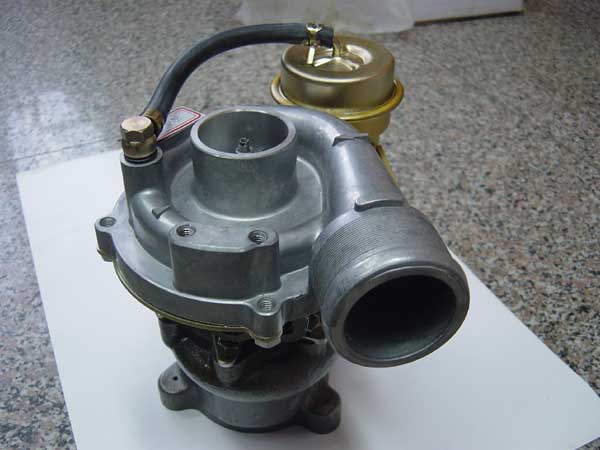
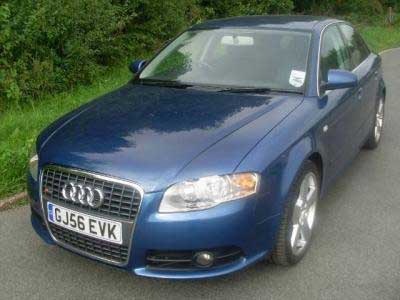
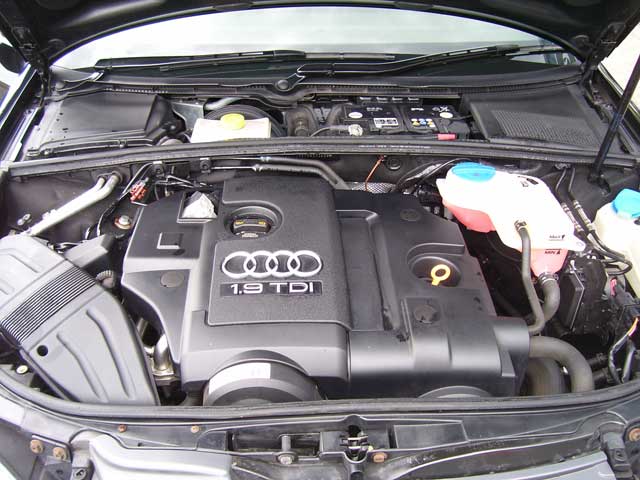
Why They Normally Fail The Audi A4 1.9TDi and Audi A4 2.0TDi, both being Diesel Particulate Filter (DPF) models commonly suffer problems with the turbo charger unit failing. Other common problems for the Audi A4 1.9 & 2.0 TDi (DPF model) is Diesel Injectors failing & Engine Oil contamination. The reason they fail is most commonly due to the Diesel Particulate Filter (DPF), located in the exhaust it is designed to trap soot / ash particles and by doing so, it restricts the airflow of exhaust gasses which in turn will increase the back-pressure. Excessive and long-term back-pressure will put a lot of strain on mechanical components and with the turbocharger being directly connected to the Diesel Particulate Filter, that is most likely the first unit to show signs of failure.
Also, it may be the way the vehicle has been looked after. If it has not been properly maintained i.e. regular oil changes and allowing the engine time to warm up a little before a quick run. When you start a turbo engine from cold, the oil will be thick and gunky which takes time to travel around all components. For this reason, it is suggested that when starting the vehicle, allow 1-2 minutes before moving from a cold start. This will give time for the oil to warm up and when hot the oil is thinner which allows it to travel around mechanical components much faster. Once the oil is thin, the turbocharger is properly lubricated and spooling the turbo will be much safer. After a long drive where the turbo has been spooled up for long periods of time i.e. motorway runs.. it is advised that before turning the engine off, allowing the engine to stay running for 1-2 minutes while the turbo cools & spools down. Shutting off the engine immediately may result in back-spin which is not good at all and can damage seals, bearings and the fins on the turbines.
On a side note, when the DPF get’s blocked it’s a very expensive repair. However, Sinspeed does offer a very affordable & competitive DPF Removal Service.
Common Symptoms of a Failed Turbocharger
Play in the impeller shaft
Oil leaking into the intake
White smoke
Noisy Bearing / Whining Noise On Throttle
Loss Of Power & No Kick-Down
What Do We Do
When your turbocharger unit fails, garages & dealerships will advise of having it replaced and most commonly a new unit will be the only choice given to you. The reason for this common choice is you are offered a better warranty on a new unit then you are on second-hand parts. You can purchase a second-hand turbocharger from a breakers / parts shop but the maximum warranty offered will be 30-90 days.
What we do, however, is remanufacture your existing unit & where possible, replace it with an exchange turbocharger off the shelf which has been re-manufactured by us ready to send out. If you send your turbocharger to us here at Sinspeed, we’ll strip your turbo unit down and replace all seals & bearings with new & genuine parts which meet & exceed OE specifications. The compressor housing will be machined and fully leak tested to ensure a rebuild of the highest quality before returning the turbocharger unit to you with a full 1 year warranty. In fact, you won’t even recognise the turbocharger as we chemically clean all units before rebuilding them so they look as good as new!
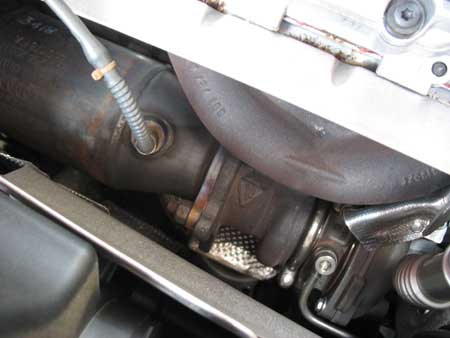
The Audi A4 1.9 & 2.0 TDi (DPF Model) turbo charger failures commonly have damaged fins or snapped turbine shafts. We can still remanufacture these units because we have access to all brand new & genuine parts.
Our Rebuild Procedure
We first process your turbocharger in our mechanical parts washer
We then strip the turbocharger right down & examine it for defects
Your turbocharger will then be chemically cleaned & blasted
We then leak test the housing and machine if necessary
We’ll then proceed to rebuild with all new Oil Seals & Bearings (To meet & exceed the OE specifications)
We then go on to replace any other parts required
Finally we test, balance & re-calibrate the unit before dispatching it back to you
How Long Will This Process Take
We can normally turn around a turbo rebuild in just 24-48 hours.
Do You Offer A Fitting Service?
Yes, we do. We aim to offer the most competitive rate fitting services and if you find a better deal elsewhere, we always aim to beat it. We also offer a free collect & return service on your vehicle (dependant of your location) so if you’re having Audi turbo problems (or any vehicle for that matter), then get in touch and find out what we can do for you.
Do You Repair Other Turbo’s As well?
Although this article is targeted to our customers with Audi 1.9 & 2.0 TDi’s (DPF Models), we repair all types of turbocharger units for all makes & models. If your unit is non-repairable, we have many rebuilt units in stock ready to exchange & dispatch same day. We also carry new units on some of the more commonly known non-repairable turbos or where new units are the more affordable option.
What Guarantee Will Sinspeed Give Me?
All turbocharger rebuilds are backed by a 12month warranty for complete peace of mind.
For an instant quote, call us today on 0203 815 9441.
These ABS pumps are so common we now carry all the corresponding part numbers on the shelf with a full LIFETIME warranty. To order yours today, call 0203 815 9441. Below you’ll see a list of the most common symptoms which suggest you have the ESP fault relating to a failure of the Brake Pressure Sensor / Sender Switch. You may have all the symptoms or even just one.
Summary: A Nissan Micra that stalls at traffic lights, hesitates when you accelerate or idles erratically is very often telling you its throttle body has failed. The important part — and the part most owners are never told — is that on the Micra this failure is electrical, inside the unit. Cleaning the throttle body with carburettor cleaner cures plenty of other cars and will not cure this one. The unit has to be professionally stripped and rebuilt, or replaced. We remanufacture Micra throttle bodies on a mail-in basis: you send us your unit, we repair it and send it back.
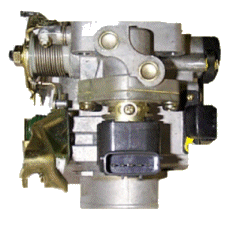
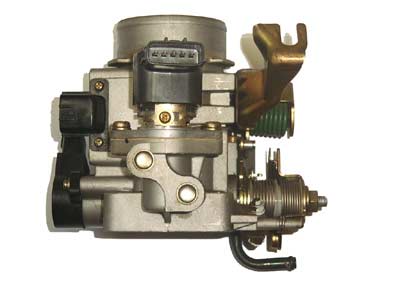
The throttle body sits in the intake tract, between the air filter and the inlet manifold, and its job is to control how much air reaches the engine. On the Micra it is an electronic unit rather than a simple cable-operated valve. Your accelerator pedal does not pull the throttle plate open; it reports a position to the engine ECU.
The ECU then decides how far the plate should open, a small electric motor inside the throttle body moves it, and position sensors inside that same unit report the plate’s actual angle straight back to the ECU. The ECU compares what it asked for against what it got, and corrects. That loop runs continuously, for as long as the engine is running.
This is worth understanding before anything else, because it reframes the whole fault. The throttle body is not a passive piece of pipework that gets dirty. It is an actuator and a sensor at the same time, doing electrical work every second you drive.
Throttle body or air mass meter — which one is it?
You will see this Micra part listed and searched for under both names, and the two get used interchangeably in the trade and in parts listings. Strictly, the jobs are different: a throttle body regulates airflow and reports throttle position, while a mass airflow sensor measures the air entering the engine. Because this unit sits in the intake and a fault in it upsets the air/fuel ratio, the symptoms overlap enough that the two names get used for the same part.
For practical purposes it does not matter which name you use. What matters is the part number on the unit itself — that is what identifies what you have.
What are the signs your Micra throttle body is going bad?
These are the symptoms we see reported over and over on both the K11 and the K12:
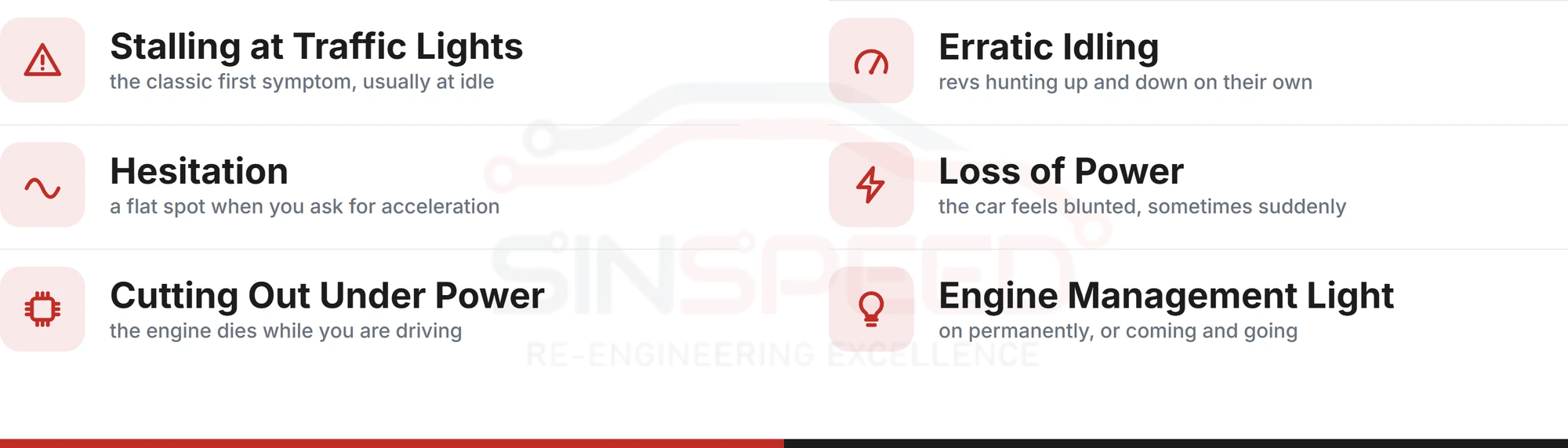
Stalling at traffic lights — the classic one, and usually the first.
Erratic idling — revs hunting up and down, or sitting too high or too low, with nothing you are doing at the pedal.
Hesitation — a flat spot when you ask for acceleration, most obvious pulling away.
Loss of power — the car feels blunted, sometimes suddenly.
Cutting out under power — the engine dies while you are actually driving.
Engine management light on — sometimes permanently, sometimes coming and going.
The pattern behind that list is consistent. Idle is where the throttle plate is barely open and the ECU has the least room to correct anything, so a signal that has started to go unreliable shows up at idle first — which is why stalling at a junction is so often the opening symptom. Loss of power is the other end of the same problem: when the ECU decides the throttle position it is being told does not add up, it defaults to a fail-safe strategy and limits the engine to protect it. That is the blunted, limp feeling, and it is usually what puts the light on the dash.
One point worth stating plainly rather than dramatically: an engine that cuts out in moving traffic takes your brake servo assistance and your steering assistance with it. The car remains steerable and stoppable, but both take noticeably more effort, and it happens without warning. That is the reason this is not a fault to live with while you decide what to do about it.
Why won’t cleaning fix a Nissan Micra throttle body?
This is the single most important thing on this page, and it is where most Micras get misdiagnosed.
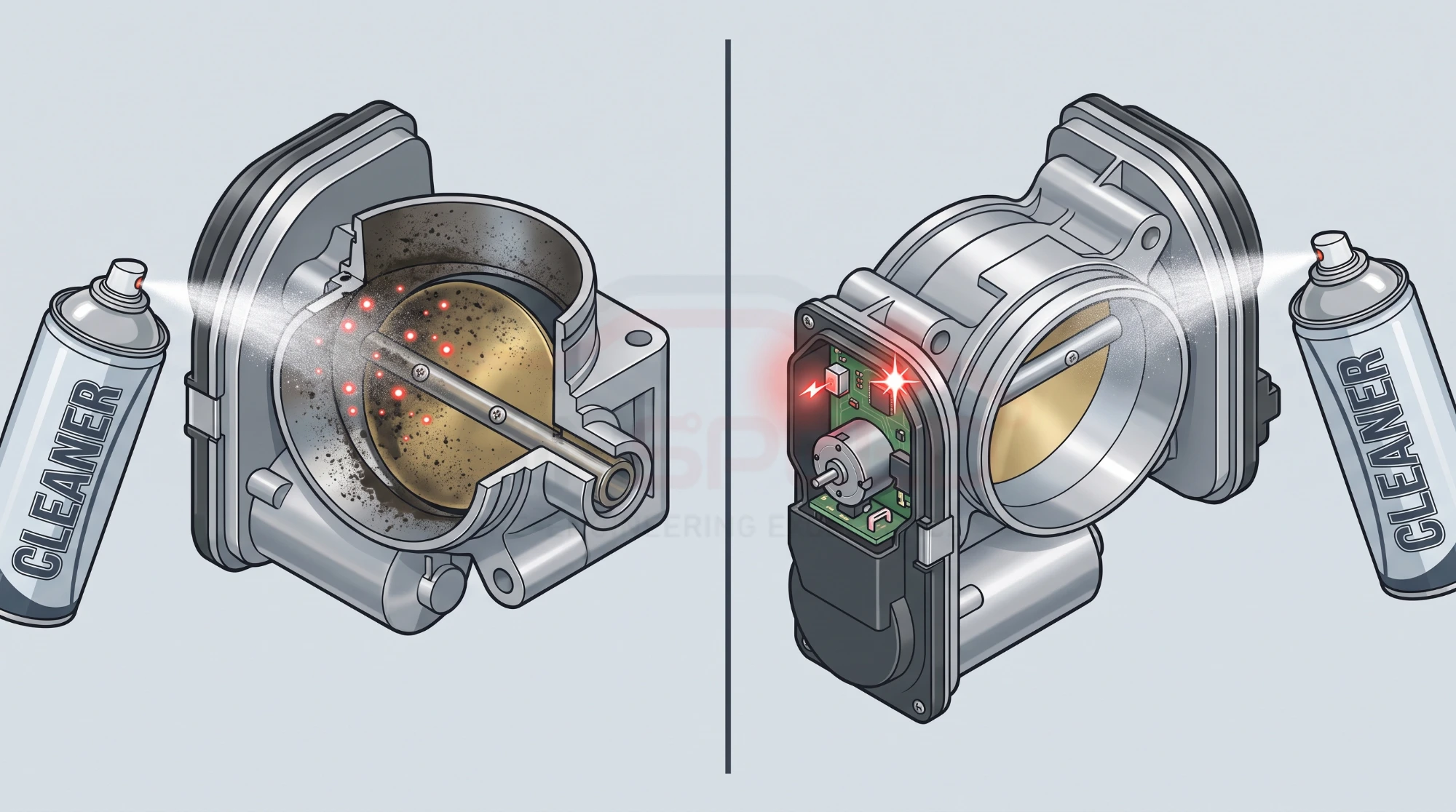
On a great many cars, a throttle body that causes rough idling and stalling is simply carbon-fouled. Soot and oil mist build up around the plate and the bore, the plate no longer seats or moves cleanly, and the airflow at small openings goes wrong. Take it off, clean it with carburettor cleaner, refit it, and the car is fixed. That is a real repair, it works, and it is what a general garage will reach for — because on most of what comes through the door, it is the right answer.
On the Micra it is the wrong answer. The Micra’s throttle body shows the same symptoms as a carbon-fouled one, but the underlying fault is electrical and it is inside the unit. The bore can be spotless and the fault will still be there. So the unit comes off, gets cleaned, goes back on — and within days or weeks the car is stalling at the same junction again. The owner concludes the cleaning “wore off”. It never worked in the first place.
Once the failure is electrical, there are only two honest routes: the unit is professionally stripped down and rebuilt, or it is replaced. There is no third option involving a spray can.
Why do the K11 and K12 share the same throttle body problem?
The Bosch throttle body, part number 0280 750 051, fitted across both the Micra K11 and K12.
Because, in a great many cases, they share the same part. The Bosch unit carrying part number 0280 750 051 is fitted to both generations — the K11 (1993–2003) and the K12 (2003 onwards). Same unit, same internal design, same weak point, across two model generations.
That is why an owner of a late K12 and an owner of an early Micra end up describing the same stall at the same junction. It is also why this is not a mystery to us: it is a known, repeating, model-specific failure rather than a one-off diagnosis.
One caveat, and it is an important one — do not order anything on the strength of a year range. Fitment varies by engine and build date, and Micras of this age have often had parts changed already. Check the number stamped on your own unit before you assume 0280 750 051 is what you are holding. If you are not sure what you have, send us the part number and your registration and we will confirm it before anything moves.
Can a faulty throttle body fail the MOT?
It can. The throttle body is part of the air intake system, so a fault in it can throw out the air/fuel ratio the engine is running on. If the mixture is wrong, the exhaust gases are wrong — and the MOT emissions test measures exactly that.
We will not tell you it definitely will fail. That depends on how far the fault has progressed, how the car happens to be running on the day, and what the engine’s emissions were like to begin with. But the mechanism is real, and a car that is stalling and hesitating is not one you want to present for an emissions test on a hope.
Nor is an illuminated engine management light something to present at a test and hope goes unnoticed — the fault behind it needs resolving either way.
How do you reset a Nissan Micra throttle body — and when won’t it help?
This question comes up constantly, so it is worth answering properly rather than dismissing.
There is a genuine procedure — usually called a throttle or idle relearn. Its purpose is to give the ECU a fresh reference for where “closed” actually is. The ECU holds a learned value for the throttle plate’s rest position and its idle correction, and if the throttle body has been disturbed, disconnected, cleaned or swapped, that stored reference no longer matches reality. The relearn makes the ECU re-establish it. In the right circumstances it is a legitimate and necessary step — and it is why a car can idle worse immediately after a throttle body has been taken off and put back on.
Here is what a relearn will not do. It will not repair a throttle body that has failed electrically. If the unit’s internals are no longer producing a reliable signal, the ECU can learn a reference from it today and that reference will drift straight back out again, because the thing it learned from is not stable. The tell is a relearn that appears to work, holds for a short while, and then the same stall returns — often followed by the light and the limp feeling again. At that point the relearn is not the fix, and repeating it is not a plan.
We are deliberately not publishing a strip-and-rebuild procedure here. The internal repair on this unit is bench work: it needs the unit out of the car, the right equipment, and testing afterwards to prove it. A guessed reassembly on a driveway is how a repairable unit becomes a scrap one.
How is a Micra throttle body fault properly diagnosed?
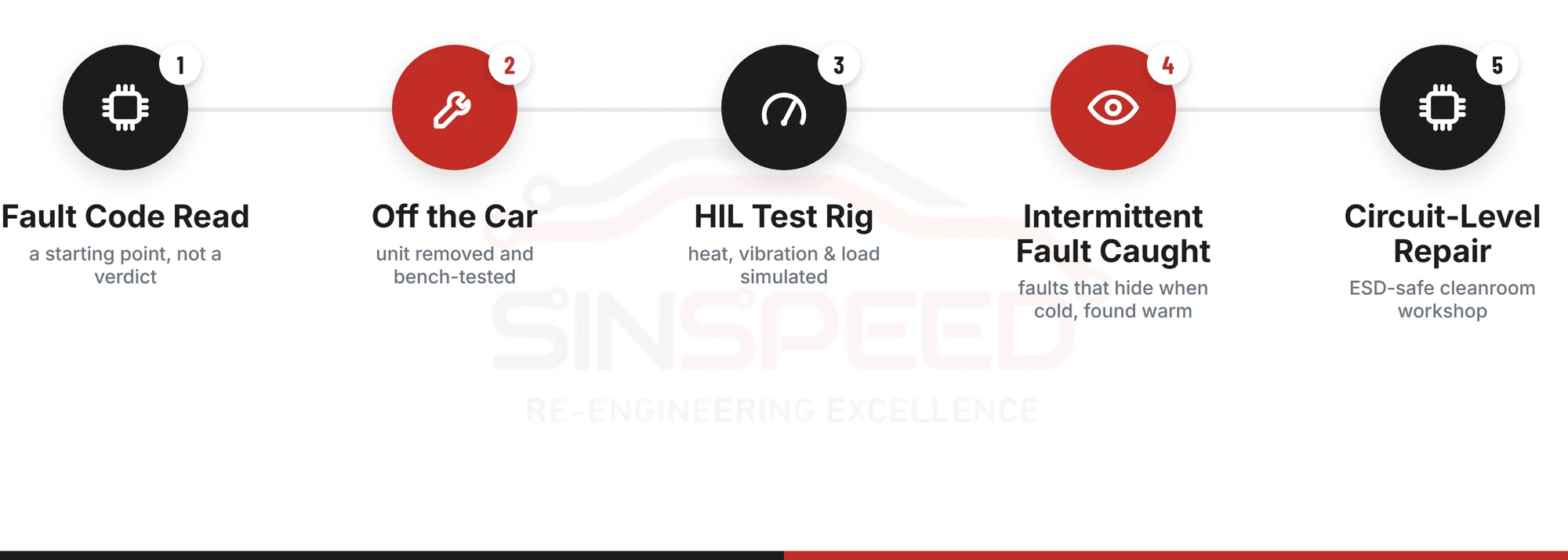
A fault code that names the throttle body is a starting point, not a verdict. The code tells you the ECU saw something on that circuit it did not like. It does not tell you whether the unit itself has failed, or whether it is being fed a poor supply, a bad earth or a damaged connector — and swapping the throttle body on the strength of a code alone is how people replace a part that was never the problem.
The way to settle it is to test the unit itself, off the car, under conditions that mean something. Our units go onto bespoke in-house Hardware-in-the-Loop test platforms, which drive the unit the way the car would and simulate the heat, vibration and load it actually sees in service. That matters here specifically, because an electrical fault that is intermittent — the kind that stalls your Micra at one junction and behaves perfectly at the next — will often only reveal itself warm, or under vibration, or after it has been running a while. A quick static check on a cold bench misses exactly that fault.
The repair work itself is done in a cleanroom-standard, ESD-safe workshop, at circuit level. That is the practical difference between a specialist and a general garage on this particular unit: the garage is not equipped to look inside the electronics, so it reaches for the cleaner — which, as above, was never going to work on a Micra.
Should you repair or replace a Micra throttle body?
Both are legitimate routes, but they are not equivalent, and the reason is design.
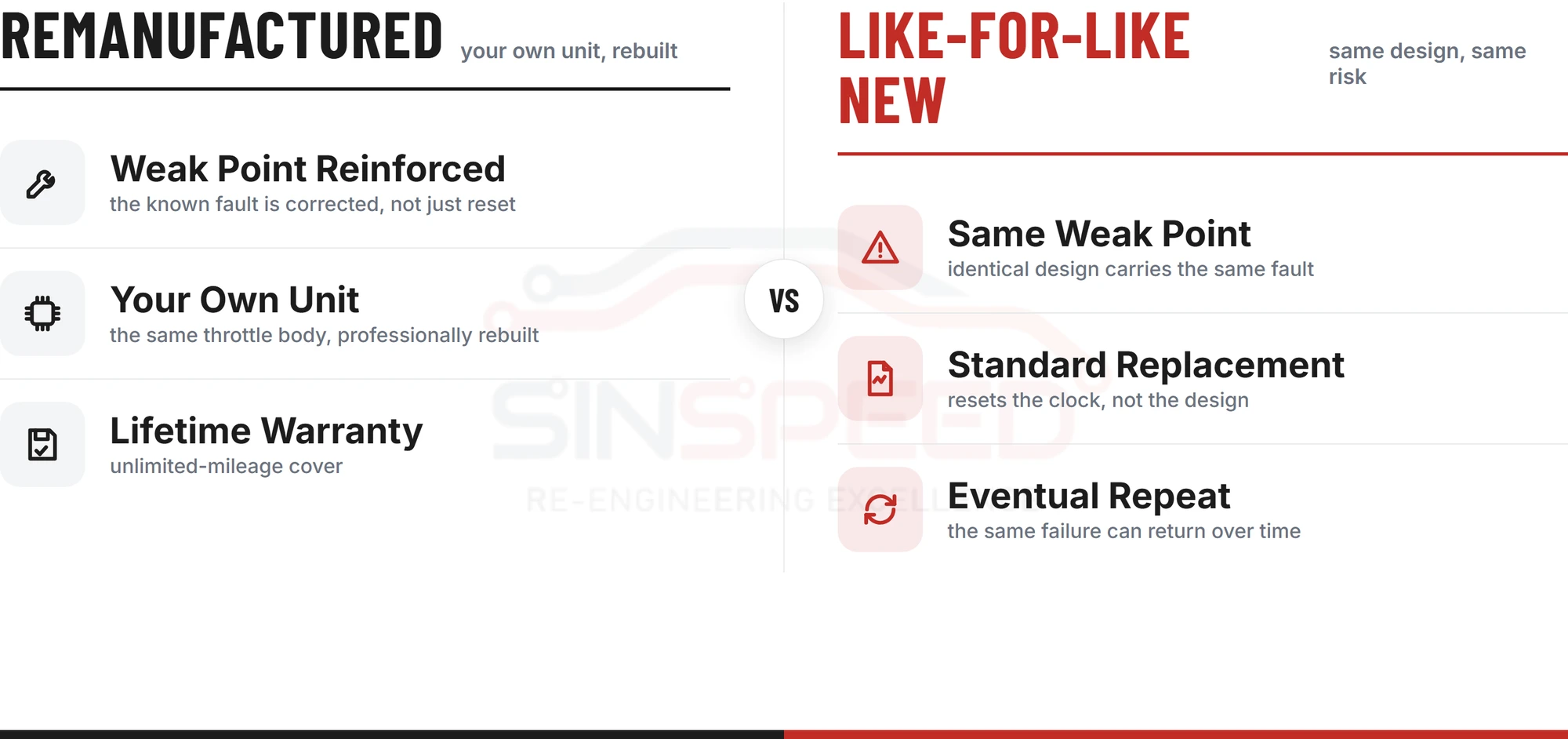
Fitting a like-for-like new unit puts the same design back into the same car — including the weak point that failed in the first place. It will work. It is also, eventually, the same unit that got you here.
When we remanufacture a Micra throttle body, we work on your own unit and reinforce the known weak point rather than simply resetting the clock on it. That is the argument for remanufacture over replacement on a fault this well-characterised: we already know where this unit goes wrong, so the rebuild addresses that specifically rather than generally. Our remanufactured units carry a lifetime, unlimited-mileage warranty.
The process is mail-in and deliberately simple. You remove the unit — or your garage does — and send it to us. We test it, remanufacture it, test it again, and return it to you ready to fit. Private owners and independent garages use it the same way. Start your repair through our mail-in repair form, or if you would rather talk it through first, get in touch and tell us what the car is doing.
What are the signs that your throttle body is going bad?
On a Nissan Micra the usual signs are stalling at traffic lights, erratic idling, hesitation when you accelerate, loss of power, cutting out while driving, and an engine management light. Stalling at idle is typically the first symptom to appear.
What are common problems with the K12 Micra?
We can only speak to what comes across our own bench, and on the K12 the throttle body is the electronic fault we see most often. It is also the one most frequently misdiagnosed, because it gets repeatedly cleaned when the actual failure is electrical. We will not list faults outside our own workshop’s experience.
How do you reset a Nissan throttle body?
A throttle or idle relearn makes the ECU re-establish its reference for the throttle plate’s closed position and its idle correction. It is the right step after the throttle body has been disturbed, cleaned or replaced. It will not repair a unit that has failed electrically — if the relearn holds briefly and the stalling returns, the unit itself is the problem.
What is the most common problem with the Nissan Micra?
We are an automotive electronics specialist rather than a general garage, so we will not rank the Micra’s faults overall. Of the electronic units we are sent, the throttle body is comfortably the most common Micra job, across both the K11 and the K12.
Is the Micra throttle body the same as the air mass meter?
The two names are used interchangeably for this part on the Micra, in the trade and in parts listings, even though strictly a throttle body regulates airflow while a mass airflow sensor measures it. What identifies your part is the number stamped on the unit, not the name on the listing.
Which throttle body fits the Nissan Micra K11 and K12?
The Bosch unit with part number 0280 750 051 is fitted across both the K11 (1993–2003) and the K12 (2003 onwards). Fitment still varies by engine and build date, so check the number on your own unit rather than ordering on a year range.
Can I just clean my Micra’s throttle body?
You can, and it will not fix it. Cleaning cures carbon fouling, which is a genuine fault on many other cars. The Micra’s throttle body fails electrically inside the unit, so a clean bore changes nothing and the stalling returns.
Can a faulty throttle body fail an MOT?
It can. The throttle body sits in the air intake, so a fault can upset the air/fuel ratio, and a wrong mixture can show up on the MOT emissions test. Whether it fails on the day depends on how far the fault has progressed.
Final thoughts
If your Micra stalls at traffic lights, the single most useful thing you can know is that the standard fix is the wrong fix. The throttle body on both the K11 and the K12 fails electrically, inside a sealed unit, and no amount of carburettor cleaner reaches an electrical fault. Every clean that “wears off” after a fortnight is that same fact being learned the hard way.
Diagnose the unit properly — off the car, under load — and you find out in one step whether the throttle body is genuinely your fault, rather than swapping parts and hoping. If it is, it is a rebuild, not a wipe.
Why They Normally Fail
The Ford Focus (DPF) 1.6TDCi 16v model with the Diesel Particulate Filter is prone to problems such as injectors failing, turbocharger failing and engine oil contamination. This is mainly due to the Diesel Particulate Filter (DPF) getting blocked up. When the DPF blocks up, it causes back-pressure to push carbon back up in to the turbocharger, engine and other components such as the diesel injectors. They then become carbonated and the oil becomes contaminated.
Common Symptoms of a Failed Turbocharger:
Play in the impeller shaft
Oil leaking into the Inlet
White Smoke
Noisy Bearing / Whining Sound On Throttle
Loss Of Power & No Kick-Down
What Do We Do?
Rather than spending a fortune to replace the turbocharger with a new unit, or even a second-hand unit which would come with a maximum of 90 days warranty. You can send the turbocharger to us and here at Sinspeed we’ll strip your unit down and rebuild it with all new oil seals & bearings. The housing will be machined and leak tested to ensure a rebuild of the highest quality and returned to you with a full 1 year warranty. In fact, you won’t even recognise the turbocharger as we chemically clean all units before rebuilding so they look as good as new!
Our Rebuild Procedure
We first process your turbocharger in our mechanical parts washer
We then strip the turbocharger right down & examine it for defects
Your turbocharger will then be chemically cleaned & blasted
We then leak test the housing and machine if necessary
We’ll then proceed to rebuild with all new Oil Seals & Bearings (To meet & exceed the OE specifications)
Finally we test, balance & re-calibrate the unit before dispatching it back to you
How Long Will This Process Take?
We can normally turn a turbo rebuild around in 24-48 hours.
Do You Offer A Fitting Service?
Yes, we do. We aim to offer the most competitive rate fitting services and if you find a better deal elsewhere, we always aim to beat it. We also offer a free collect & return service on your vehicle (dependant of your location) so if you’re having turbo problems then get in touch and find out what we can do for you.
Do You Repair Other Turbo’s As Well?
We repair all types of turbocharger units for all makes & models. If your unit is non-repairable, we have many rebuilt units in stock ready to exchange & dispatch same day. We also carry new units on some of the more commonly known non-repairable turbos or where new units are the more affordable option.
What Guarantee Will Sinspeed Give Me?
We offer all our customers a full 1 years warranty.
For an instant quote, call us today on 0203 815 9441.



 Also, it may be the way the vehicle has been looked after. If it has not been properly maintained i.e. regular oil changes and allowing the engine time to warm up a little before a quick run. When you start a turbo engine from cold, the oil will be thick and gunky which takes time to travel around all components. For this reason, it is suggested that when starting the vehicle, allow 1-2 minutes before moving from a cold start. This will give time for the oil to warm up and when hot the oil is thinner which allows it to travel around mechanical components much faster. Once the oil is thin, the turbocharger is properly lubricated and spooling the turbo will be much safer. After a long drive where the turbo has been spooled up for long periods of time i.e. motorway runs.. it is advised that before turning the engine off, allowing the engine to stay running for 1-2 minutes while the turbo cools & spools down. Shutting off the engine immediately may result in back-spin which is not good at all and can damage seals, bearings and the fins on the turbines.
 Do You Offer A Fitting Service?