
Summary: Vauxhall Insignia warning lights come with an instruction attached, and the owner’s manual grades it: low brake fluid gets “Stop. Do not continue your journey”, an airbag fault gets “seek the assistance of a workshop”, and a green lamp asks nothing at all. This page sets out the lamps by colour for both the Insignia A (2008 to 2017) and the Insignia B (from 2017), puts each instruction into plain words, and shows which lights can mean a failed control unit. Where the fault is the unit itself, whether the ABS module, the power-steering unit, the airbag unit, the instrument cluster or the immobiliser, we repair it on the bench and send it back.
- What does each colour mean on an Insignia dash?
- Red Insignia warning lights: stop, or get it seen today
- Yellow Insignia warning lights: have it looked at
- Green, blue and white Insignia lights: information only
- Insignia A or Insignia B: what changed on the dashboard?
- Which Insignia warning lights can mean a failed control unit?
- Vauxhall Insignia warning lights FAQs
- Final thoughts
What does each colour mean on an Insignia dash?
Both Insignia owner’s manuals print the same colour key, and it is worth taking literally, because it is not quite the usual traffic-light rule.
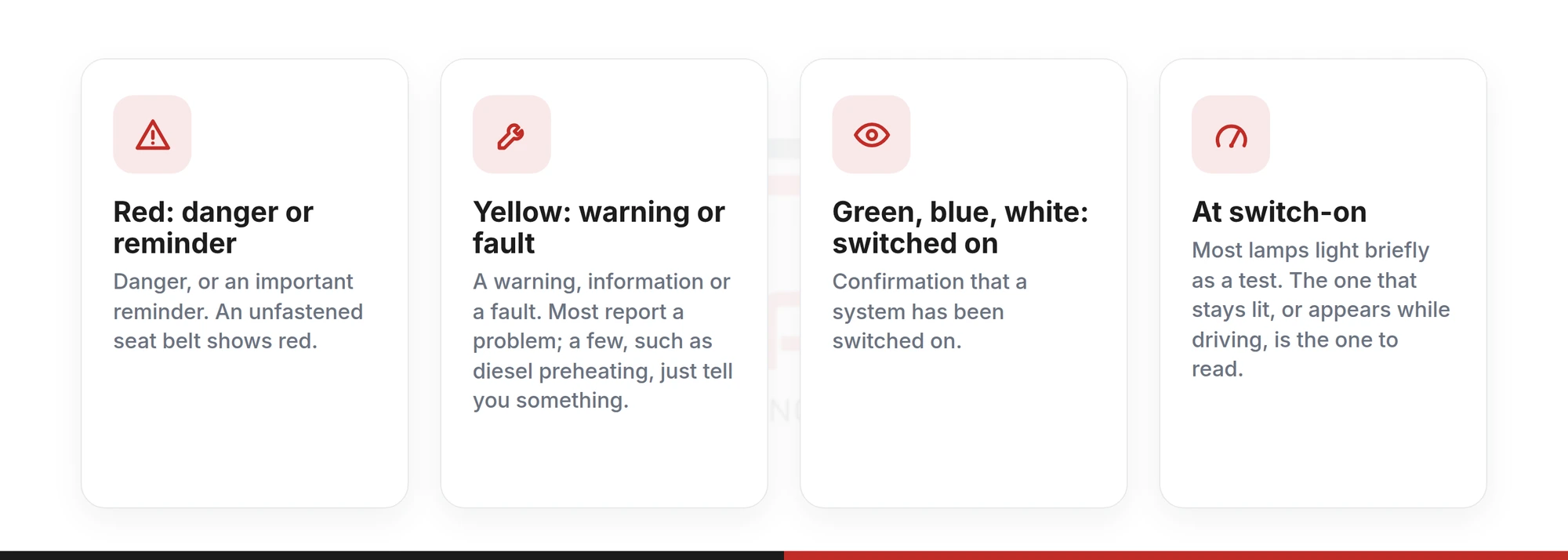
- Red: danger, or an important reminder. The second half is why an unfastened seat belt shows red.
- Yellow: a warning, information or a fault. Most yellow lamps report a problem; a few, such as diesel preheating, are simply telling you something.
- Green, blue and white: confirmation that a system has been switched on.
- At switch-on: most lamps light briefly as a functionality test. The one that stays lit, or appears while you drive, is the one to read.
The manual also says that not every lamp is fitted to every Insignia, and that positions vary with equipment, so a symbol you cannot find is usually down to specification. For the lights shared across the range, our Vauxhall warning lights and symbols guide covers every model; this page stays with the Insignia.
Red Insignia warning lights: stop, or get it seen today
Red splits two ways on an Insignia. Five lamps report faults the manual treats as urgent, and its instruction for each is below in plain words. The last row is a pair of reminders you can clear in a second.
| Light | What it means | What the manual asks you to do |
|---|---|---|
 Brake and clutch fluid — an exclamation mark in a circle | The brake and clutch fluid level is too low. | Stop, and do not continue your journey. Consult a workshop. |
 Engine oil pressure — an oil can with a drip | Lit with the engine running: lubrication may be interrupted, which can damage the engine or lock the driven wheels. | Clutch down, neutral, out of the traffic as soon as you safely can, ignition off. Keep the engine off and have the car towed to a workshop. Leave the key in until the car has stopped, or the steering lock can engage. |
 Coolant temperature — a thermometer in waves | Lit with the engine running: the coolant temperature is too high. | Stop and switch off. The manual asks for the coolant level to be checked straight away; if there is enough coolant, consult a workshop. |
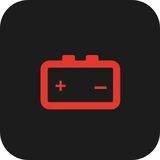 Charging system — a battery | The battery is not being charged. With no charge, the cooling can stop working and the brake servo can lose its assistance. | Stop and switch off the engine, then get a workshop to look at it. |
 Airbag and belt tensioners — a seated figure facing an inflated bag | It should light for about four seconds at switch-on. If it does not, stays lit or comes on while driving, the airbag system has a fault, and the airbags and pretensioners may not fire in an accident. Lit continuously, it can also mean they have already deployed. | The car drives, but it is not protecting you as designed. Get it to a workshop without delay. |
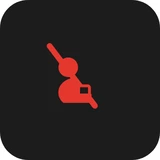  Seat belt reminder, and door open | Someone in the front has not belted up, or a door or the tailgate is not shut. The door lamp is listed in the Insignia B manual. | Fasten the belt or close the door. These are reminders, not faults. |
Yellow Insignia warning lights: have it looked at
Yellow lamps mostly leave the car driveable, but the manual’s wording runs from “consult a workshop” to “stop immediately”, so read the instruction as well as the colour.
| Light | What it means | What to do (the manual’s instruction; our own advice is marked) |
|---|---|---|
 Engine — an engine outline | Steady: an emission control fault, and emission limits may be exceeded. Flashing: a fault that could damage the catalytic converter. | Steady: seek a workshop immediately. Flashing: ease off the accelerator until it stops, then seek a workshop immediately. |
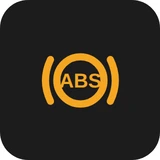 ABS — the letters ABS in a circle | Still lit a few seconds after switch-on, or lit while driving: an ABS fault. The brakes keep working, without anti-lock. | The manual gives no further instruction: the brake system stays operational, without anti-lock regulation. Our advice: ease off, allow longer stopping distances and book it in. If the red brake lamp is on too, follow the red instruction and stop. |
 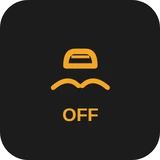 Stability and traction control — a car above skid marks, and the OFF version | Flashing: ESC is stepping in, so expect a little less power or a light touch of the brakes. Steady: a fault in the system. The OFF lamp: the system has been switched off. | Steady: the car is drivable, though less sure-footed on a slippery road. Have a workshop put it right. |
 Tyre pressure — a horseshoe with an exclamation mark | Steady: a loss of tyre pressure. Flashing, then steady after 60 to 90 seconds: either a system fault or a wheel with no sensor fitted, the spare for example. | Steady: stop immediately and check the pressures. Flashing: consult a workshop. |
| Immobiliser — flashes yellow | A fault in the immobiliser system. The engine cannot be started. | The manual gives no instruction beyond the result: the engine cannot be started. Our advice: have a workshop diagnose it first; see the control-unit section below. |
| Variable effort steering (Insignia A) | A fault in the system: steering effort may be higher or lower than normal. | Consult a workshop. |
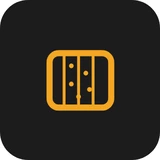 Diesel particulate filter (Insignia A diesels) — a filter box with dots | Lit: the filter is full and its cleaning process is due. Flashing: it has reached its maximum level, and the manual warns of engine damage if cleaning does not start immediately. | Lit: start the filter’s cleaning process as soon as possible. Flashing: start it immediately, to avoid damage to the engine. |
 Diesel only: preheating — a coiled filament, and AdBlue (Insignia B) | Preheating: the diesel is preheating, which only happens in cold weather. AdBlue flashing: the AdBlue level is low. | Start the engine once the preheat lamp goes out. Refill the AdBlue soon, or the engine may be prevented from starting. |
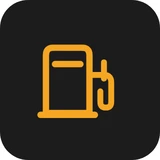 Low fuel — a fuel pump | Steady: the tank is low. Flashing: the fuel is used up. | Refuel, and immediately if it flashes. The manual says never run the tank dry. |
| Headlight fault — LED headlights on the B, adaptive forward lighting on the A | A fault in the headlight system. Flashing: the lights have switched to symmetrical low beam. | Seek a workshop. |
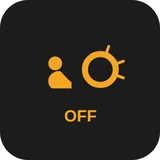 Front passenger airbag on, or off | One lamp shows the front passenger airbag is active, the other that it has been deactivated. | Check it matches the passenger. The manual warns of a risk of fatal injury to a child in a child seat with the airbag active, and to an adult with it deactivated. |
Green, blue and white Insignia lights: information only
Nothing here is a fault: each lamp is the car acknowledging a switch you have used. Green covers the indicators, the exterior lights, the front fog lights and high beam assist; blue is main beam. Cruise control and the speed limiter show white when the system is on and green once it is active, with the set speed in the Driver Information Centre.
Two are worth knowing. If an indicator lamp starts flashing much faster than normal, an indicator bulb has failed, on the car or on a trailer. And the lane assistance lamp is green when the system is ready but yellow when it is warning you about a lane marking you are crossing without indicating, so here the colour carries the meaning.
Insignia A or Insignia B: what changed on the dashboard?
The Insignia A ran from 2008 to 2017 and the Insignia B followed from 2017; the first-registration date on your V5C tells you which one is yours. The core warnings carry the same meaning and the same instruction in both manuals: brake fluid, oil pressure, charging, airbag, ABS, stability control, engine and immobiliser. What changed sits around them.
| What the manual shows | Insignia A (2008 to 2017) | Insignia B (from 2017) |
|---|---|---|
| Instrument display | Baselevel, Midlevel or Uplevel cluster; the Uplevel has Sport and Tour modes | Baselevel or Uplevel Driver Information Centre |
| Engine temperature | A gauge; a needle in the hot zone means stop and switch off | A red coolant temperature lamp |
| Diesel particulate filter | Its own yellow lamp, steady or flashing | A warning message in the Driver Information Centre instead of a lamp. Filter full: start the cleaning process as soon as possible. Maximum filling level: start it immediately to avoid damage to the engine. Treat the message as seriously as the A’s lamp |
| Steering | A yellow variable effort steering lamp | No steering lamp in the indicator pages |
| AdBlue | Not listed | A yellow lamp that flashes when the level is low |
| Headlight fault | Adaptive forward lighting lamp | LED headlights lamp, with the same behaviour |
| Lane assistance | Lane departure warning | Lane keep assist, plus pedestrian detection and a traffic sign display |
Driving a different Vauxhall? Our Astra, Corsa and Mokka warning-light guides work the same way for those cars.
Which Insignia warning lights can mean a failed control unit?
Most Insignia lamps end at a fluid, a tyre, a bulb or a sensor, and those should be ruled out first. Four groups are different, because a control unit reports them, and a unit that has degraded can produce the same warning a mechanical fault would. That is how a car collects new sensors while the lamp stays on.
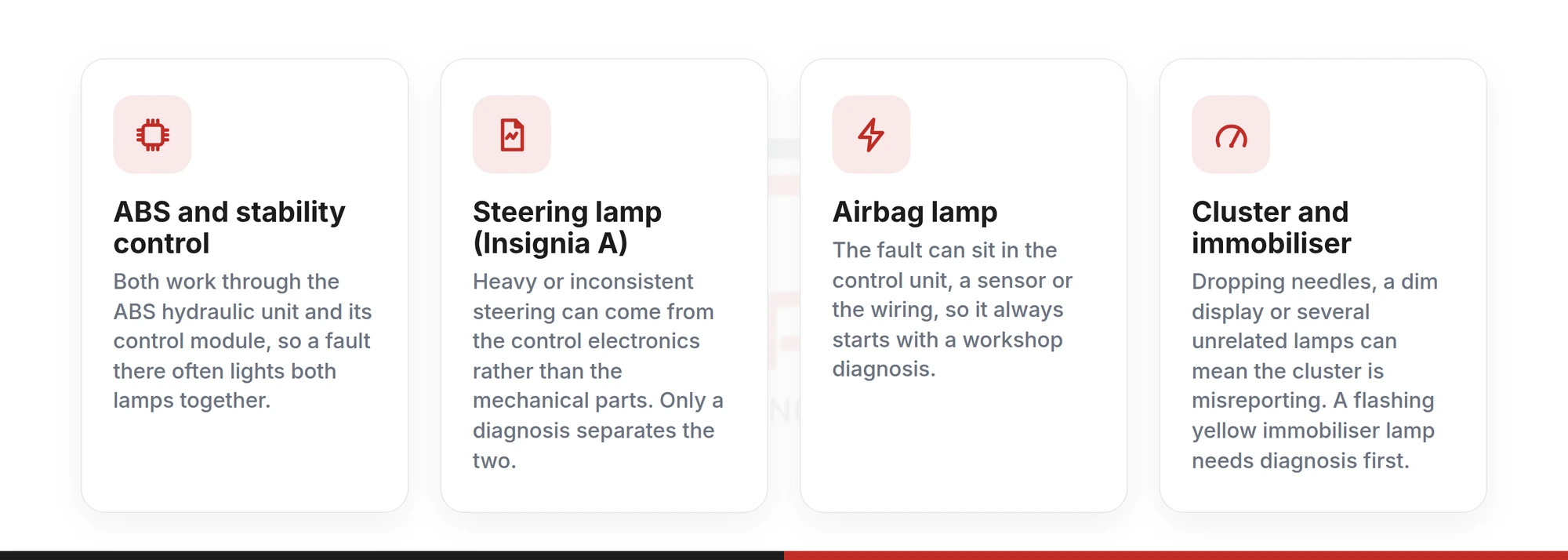
- ABS and stability control. Both work through the ABS hydraulic unit and its control module, so a fault there often lights both lamps together. Heat and vibration wear the electronics over time, and a failing module can report a sensor or pressure fault when the sensor itself is fine. Our guides to the ABS and traction control lights on together and what ESP does on a car explain the system, and the repair sits on our Vauxhall ABS module repair page.
- Steering. The Insignia A manual’s variable effort steering lamp warns that steering effort may be higher or lower than intended. Where assistance is electronic, a heavy or inconsistent wheel can come from the control electronics rather than the mechanical parts, and only a diagnosis separates the two. Our electric power steering warning light guide explains how that system reports faults.
- Airbag. The restraint system checks itself at every switch-on. A fault can sit in its control unit, a sensor or the wiring, so this lamp always starts with a workshop diagnosis. Where the codes point at the control unit, that is a unit we repair; see our airbag ECU repairs.
- Instrument cluster and immobiliser. Needles that drop or stick, a dim display or several unrelated lamps at once can mean the cluster is misreporting rather than the car being faulty; cluster work sits on our Vauxhall instrument cluster repair page, which covers the Insignia. A flashing yellow immobiliser lamp on a car that will not start is covered in our guide to immobiliser and non-start faults.
If the codes land on one of these units, it is the unit that travels: your garage takes it out and posts it to us while the Insignia stays in their workshop. We test it on Hardware-in-the-Loop rigs that recreate road heat, vibration and electrical load, repair it at circuit level, then test it again and calibrate it with dealer-level tools. Refitting, and any coding the car asks for afterwards, are part of the job. The engine light is the exception here: that one belongs with your garage’s diagnosis.
Sinspeed · Insignia electronics
Tell us the lamp, the generation and the codesSay whether it is an Insignia A or B, which lamps are lit and any codes your garage has read. An engineer will tell you whether the pattern points at the ABS module, the steering unit, the airbag unit, the cluster or the immobiliser before anything is removed.
Repaired in a cleanroom-standard, ESD-safe workshop · Tested on rigs that recreate road heat, vibration and load
Vauxhall Insignia warning lights FAQs
Which Insignia warning lights mean I should stop driving?
The owner’s manual is firmest about four red lamps. Low brake and clutch fluid: stop and do not continue your journey. Low oil pressure: get out of the traffic, switch off and have the car towed. High coolant temperature or a charging fault: stop and switch off the engine. The red airbag lamp is different. The car still drives, but the airbags and belt pretensioners may not fire, so it needs a workshop without delay.
Is my Insignia safe to drive with the ABS or ESC light on?
With care, as long as nothing red is lit with it. With the ABS lamp on, the brakes still work but without anti-lock, so the wheels can lock under hard braking. A steady ESC lamp means the stability system has a fault and the car may be less stable on a poor surface, while a flashing one simply means the system is working. For the steady ESC fault the manual asks for a workshop to put it right. It gives no such instruction for the ABS lamp, but our advice is the same: have it checked soon.
What does a flashing engine light mean on a Vauxhall Insignia?
Flashing with the engine running is the more serious form. The manual describes it as a fault that could damage the catalytic converter, and asks you to ease off the accelerator until the flashing stops and then seek a workshop immediately. A steady engine light means a fault in the emission control system, and the instruction is the same: a workshop, immediately, rather than at the next service.
My Insignia will not start and the immobiliser light is flashing: why?
A flashing yellow immobiliser lamp means the immobiliser system has a fault, and the manual is plain about the result: the engine cannot be started. The cause can be the key or the electronics that check it, so a workshop diagnosis comes first. If that points at a failed unit, your garage can remove it and send it to us for repair, and any coding needed on refitting is part of the job.
Do the Insignia A and Insignia B have the same warning lights?
The core lamps carry the same meaning in both owner’s manuals: brake fluid, oil pressure, charging, airbag, ABS, stability control, engine and immobiliser. The differences sit around the edges. A full diesel particulate filter gets its own yellow lamp on the Insignia A and a Driver Information Centre warning message on the B; on both, the manual asks for the cleaning process to start as soon as possible, and immediately once the filter reaches its maximum level. The Insignia A manual also lists a variable effort steering lamp and shows engine temperature on a gauge. The Insignia B manual adds an AdBlue lamp, LED headlight warnings and lane keep assist.
Sinspeed · mail-in repair
The unit behind the light, back on the bench and back in your InsigniaWhen the diagnosis lands on a control unit, the original does not have to be scrapped. Your garage sends it in, we repair it and prove it under simulated road conditions, and it goes back for refitting. We work on the unit your Insignia already has, so nothing second-hand has to be persuaded to accept your car.
Lifetime, unlimited-mileage warranty on most remanufactured units · Mail-in from anywhere in the UK
Final thoughts
An Insignia is easier to read than most cars, because its manual attaches an instruction to nearly every lamp. Red asks you to stop or to get help today, yellow asks for a workshop, and green, blue and white ask for nothing. The generation changes the extras around those lamps, not the grading.
What no lamp can tell you is whether a fluid, a sensor or the unit doing the reporting has failed. That is what the codes are for. Have them read before anything is bought, because on the lights that sit in front of a control unit, the right answer is often the unit the car already has, repaired.