BMW Exhaust Gas Recirculation Valve / EGR Delete Service
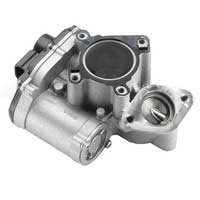 BMW EGR Valve Faults + Problems
The EGR valve is designed to recirculate exhaust gasses into the engine to be re-burnt before exiting into the atmosphere. Although this concept is great for reducing vehicle emissions, it can cause all sorts of problems over time as carbon begins building up inside the inlet manifold and engine. Carbon build-up around the engine valves can over time decrease the power output of the engine, increase the emissions, and cause smoking problems.
Diesel BMW’s are notorious for their EGR valve failures. Bypassing the EGR valve was a common solution on early models, however, modern engines are now a lot more sophisticated and the engine ECU can tell when you bypass/blank off the EGR and will bring up fault codes, warning lights and even put the vehicle into “limp mode” to restrict the performance.
When the EGR fails on a BMW you can expect some of the following symptoms:
- Smoke on Acceleration
- Fluttering On Acceleration
- Loss of Power
- Missfire
- EGR Flap Position Sensor Faults
Replacing the EGR valve can be very expensive but may not necessarily fix the problem long term. The EGR is designed to recirculate exhaust gasses and so naturally the valve will over time, get built up with carbon and become sticky, which can then begin causing problems. So if you are replacing the EGR valve for an expensive new unit, we would recommend removing and cleaning it thoroughly with every other service to maintain it.
The alternative option is to delete the EGR valve from the engine ECU and by doing so we can program the EGR to remain shut at all times, effectively blanking it off so it does not recirculate any exhaust gasses into the inlet / engine. By programming the EGR to remain shut at all times, we can avoid having any fault codes, warning lights or “Limp Mode” problems as the ECU will be expecting the EGR to be closed at all times anyway.
 BMW EGR Delete Services – By Sinspeed
We offer a safe and completely bespoke EGR Delete service whereby we de-activate the EGR valve system completely. We log into your vehicle’s on-board engine management system via the ECU and switch off the EGR valve to stay closed at all times and stop recirculating all the exhaust gasses and clogging up your engine. When done correctly you will not experience any warning lights on the dash, no fault codes being logged and no loss of power – because the ECU will accept our EGR deactivation and will not look to register anything more from the EGR system.
Below we have compiled a list of BMW’s we currently offer the EGR delete service for. If your vehicle is not listed below, please contact us to confirm whether or not it is one we can offer an EGR delete for.
| Make | Model | Engine |
|---|---|---|
| BMW | 1 Series | 116D (2.0D) |
| BMW | 1 Series | 118D (2.0D) |
| BMW | 1 Series | 120D (2.0D) |
| BMW | 1 Series | 123D (2.0D) |
| BMW | 1 Series | 123D M (2.0D) |
| BMW | 1 Series | 125D (2.0D) |
| BMW | 2 Series | 225D (2.0D) |
| BMW | 3 Series | 316D (2.0D) |
| BMW | 3 Series | 318D (2.0D) |
| BMW | 3 Series | 320D (2.0D) |
| BMW | 3 Series | 325D (2.0D) |
| BMW | 3 Series | 325D (3.0D) |
| BMW | 3 Series | 325D GT (2.0D) |
| BMW | 3 Series | 330D (3.0D) |
| BMW | 3 Series | 330D GT (3.0D) |
| BMW | 3 Series | 335D (3.0D) |
| BMW | 3 Series | 335D GT (3.0D) |
| BMW | 4 Series | 425D (2.0D) |
| BMW | 4 Series | 430D (3.0D) |
| BMW | 4 Series | 435D (3.0D) |
| BMW | 5 Series | 520D (2.0D) |
| BMW | 5 Series | 525D (2.0D) |
| BMW | 5 Series | 525D (2.5D) |
| BMW | 5 Series | 525D (3.0D) |
| BMW | 5 Series | 530D (3.0D) |
| BMW | 5 Series | 530D GT (3.0D) |
| BMW | 5 Series | 535D (3.0D) |
| BMW | 5 Series | 535D GT (3.0D) |
| BMW | 5 Series | 550D M (3.0D) |
| BMW | 6 Series | 635D (3.0D) |
| BMW | 6 Series | 640D (3.0D) |
| BMW | 7 Series | 730D (3.0D) |
| BMW | 7 Series | 740D (3.0D) |
| BMW | 7 Series | 740D (3.9D) |
| BMW | 7 Series | 745D (4.4D) |
| BMW | 7 Series | 750D (3.0D) |
| BMW | X Series | X1 sDrive18d (2.0D) |
| BMW | X Series | X1 sDrive20d (2.0D) |
| BMW | X Series | X1 xDrive18d (2.0D) |
| BMW | X Series | X1 xDrive20d (2.0D) |
| BMW | X Series | X1 xDrive23d (2.0D) |
| BMW | X Series | X3 20d (2.0D) |
| BMW | X Series | X3 30d (3.0D) |
| BMW | X Series | X3 30sd (3.0D) |
| BMW | X Series | X3 35d (3.0D) |
| BMW | X Series | X3 sDrive18d (2.0D) |
| BMW | X Series | X3 xDrive18d (2.0D) |
| BMW | X Series | X3 xDrive20d (2.0D) |
| BMW | X Series | X3 xDrive30d (3.0D) |
| BMW | X Series | X3 xDrive35d (3.0D) |
| BMW | X Series | X4 30d (3.0D) |
| BMW | X Series | X5 30d (3.0D) |
| BMW | X Series | X5 30sd (3.0D) |
| BMW | X Series | X5 xDrive30d (3.0D) |
| BMW | X Series | X5 xDrive35d (3.0D) |
| BMW | X Series | X5 xDrive40d (3.0D) |
| BMW | X Series | X6 30d (3.0D) |
| BMW | X Series | X6 xDrive30d (3.0D) |
| BMW | X Series | X6 xDrive35d (3.0D) |
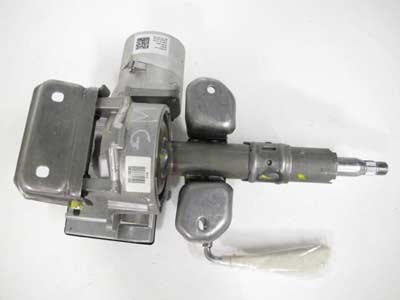
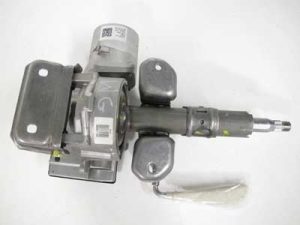 Fiat 500 Electric Power Steering Common Problems
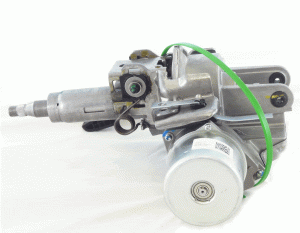 Fiat 500 EPS Column – Common Faults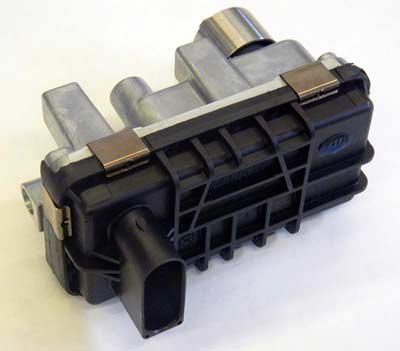
 Jaguar S-Type Electronic Turbo Actuator Faults
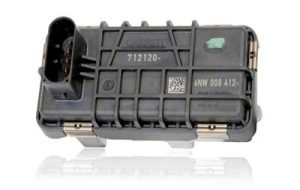 When your Jaguar S-Type electric turbo actuator fails your local dealer will recommend replacing the complete turbocharger + actuator together as the actuator is not sold as a separate component. This can be very costly, you can expect a bill upwards of £1200 for the replacement parts plus labour and the new part will only come with a standard 12 month warranty. The alternative option can be to have your existing actuator remanufactured by Sinspeed which is then returned to you with a Lifetime warranty.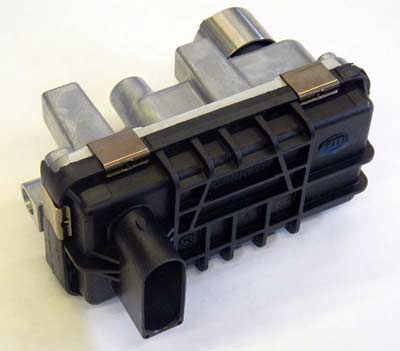
 Ford S-Max 2.2TDCi Turbo Actuator Faults
 When the turbo actuator has failed, you could expect a bill upwards of £1200 to replace the complete turbocharger and actuator which would then come with a 12 month warranty. The electronic actuator is not sold separately and for this reason it can become a very expensive repair.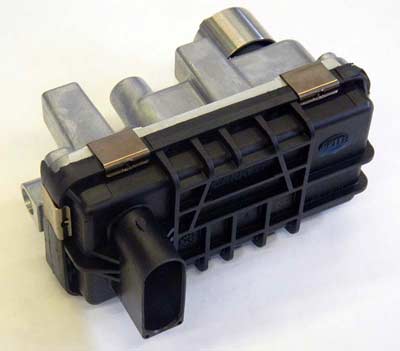
 Chrysler 300C Electronic Turbo Actuator Faults
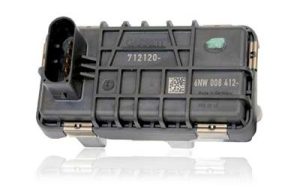 Chrysler 300C Electronic Turbo Actuator Repair – By Sinspeed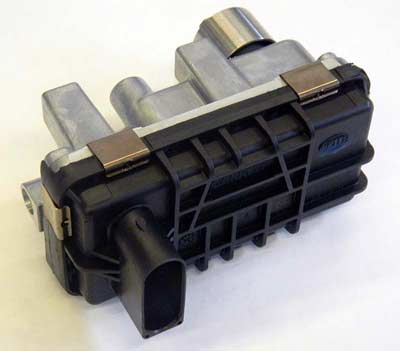
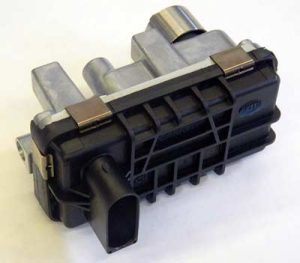 BMW X3 Turbo Actuator faults
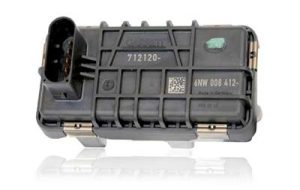 BMW X3 Electronic Turbo Actuator Repairs